


Table of Contents
Key Takeaways
- AI’s Role in Engineering: While AI will automate routine tasks in engineering, it is unlikely to fully replace engineers, who will continue to drive creativity and critical thinking.
- Job Transformation: Engineers must adapt to AI by acquiring new skills in data analysis and AI technologies, leading to new job opportunities in AI management and integration.
- Collaboration is Key: The future of engineering involves collaboration between AI and human engineers, enhancing decision-making and efficiency in various disciplines.
- Resilient Roles: Positions requiring creativity, ethics, and interpersonal skills, such as civil, biomedical, and systems engineers, are less likely to be replaced by AI.
- Continuous Learning: Lifelong learning is essential for engineers to stay competitive in an AI-driven landscape, with an emphasis on AI-related education and skills development.
As we stand on the brink of a technological revolution, the question looms large: will AI take over engineering jobs? This article delves into the multifaceted impact of artificial intelligence across various engineering disciplines, including software, mechanical, civil, and beyond. We will explore whether AI can truly replace engineers, examining specific fields such as software engineering, mechanical engineering, and civil engineering. Additionally, we will address concerns about job security and identify which engineering roles are likely to remain untouched by AI advancements. By the end of this exploration, you will gain valuable insights into the future of engineering careers and the professions that may be beyond AI’s reach. Join us as we navigate this critical topic and uncover the truth behind AI’s role in shaping the engineering landscape.
Will AI Take Over Engineering Jobs?
Can AI replace an engineer?
AI has the potential to significantly impact the engineering field, but it is unlikely to completely replace engineers. Here are several key points to consider:
1. **Automation of Repetitive Tasks**: AI can automate routine and repetitive tasks such as data analysis, simulations, and basic design processes. This allows engineers to focus on more complex problem-solving and innovative design work. For example, AI algorithms can optimize designs based on specific parameters, saving time and resources.
2. **Enhanced Decision-Making**: AI tools can analyze vast amounts of data quickly, providing engineers with insights that can lead to better decision-making. Machine learning models can predict outcomes based on historical data, which can be invaluable in fields like civil engineering and manufacturing.
3. **Collaboration and Creativity**: While AI can assist in generating ideas and solutions, the creative and collaborative aspects of engineering require human intuition and experience. Engineers bring a unique understanding of context, ethics, and user needs that AI cannot replicate.
4. **Limitations of AI**: Current AI technologies lack the ability to understand complex human emotions and social dynamics, which are often crucial in engineering projects. Moreover, AI systems require human oversight to ensure ethical considerations and safety standards are met.
5. **Future of Engineering Jobs**: The integration of AI in engineering is expected to create new job opportunities that focus on managing AI systems, developing AI applications, and enhancing human-AI collaboration. Engineers will need to adapt by acquiring skills in AI and data analysis.
In conclusion, while AI can augment the capabilities of engineers and streamline certain processes, it cannot fully replace the critical thinking, creativity, and ethical considerations that human engineers provide. As the field evolves, engineers who embrace AI technologies will likely find themselves at the forefront of innovation. For further reading on the impact of AI in engineering, refer to sources such as the National Academy of Engineering and recent studies published in journals like “Artificial Intelligence” and “Engineering Applications of Artificial Intelligence.”
Will AI take over software engineering jobs?
The question of whether AI will take over software engineering jobs is a hot topic in the tech community. While AI can enhance software development processes, it is not poised to replace software engineers entirely. Here are some insights:
1. **Code Generation and Debugging**: AI tools can assist in generating code snippets and identifying bugs, which can significantly speed up the development process. However, the nuanced understanding of software architecture and user requirements still relies heavily on human expertise.
2. **Complex Problem Solving**: Software engineering often involves complex problem-solving that requires creativity and critical thinking. AI can support engineers by providing data-driven insights, but the final decisions and innovative solutions will still come from human engineers.
3. **Collaboration with AI**: The future of software engineering will likely see a collaborative relationship between AI and engineers. AI can handle repetitive tasks, allowing engineers to focus on higher-level design and strategy. This partnership can lead to more efficient workflows and innovative software solutions.
4. **Job Evolution**: As AI continues to evolve, software engineers will need to adapt by learning new skills related to AI and machine learning. This shift will create opportunities for engineers to work on AI-driven projects and enhance their roles in the software development lifecycle.
In summary, while AI will transform the landscape of software engineering, it will not replace the need for skilled engineers. Instead, it will augment their capabilities, allowing them to focus on more strategic and creative aspects of software development. For more insights on AI’s role in software engineering, check out resources from reputable tech organizations like [IBM AI solutions](https://www.ibm.com/cloud/ai) and [Microsoft AI offerings](https://www.microsoft.com/en-us/ai).
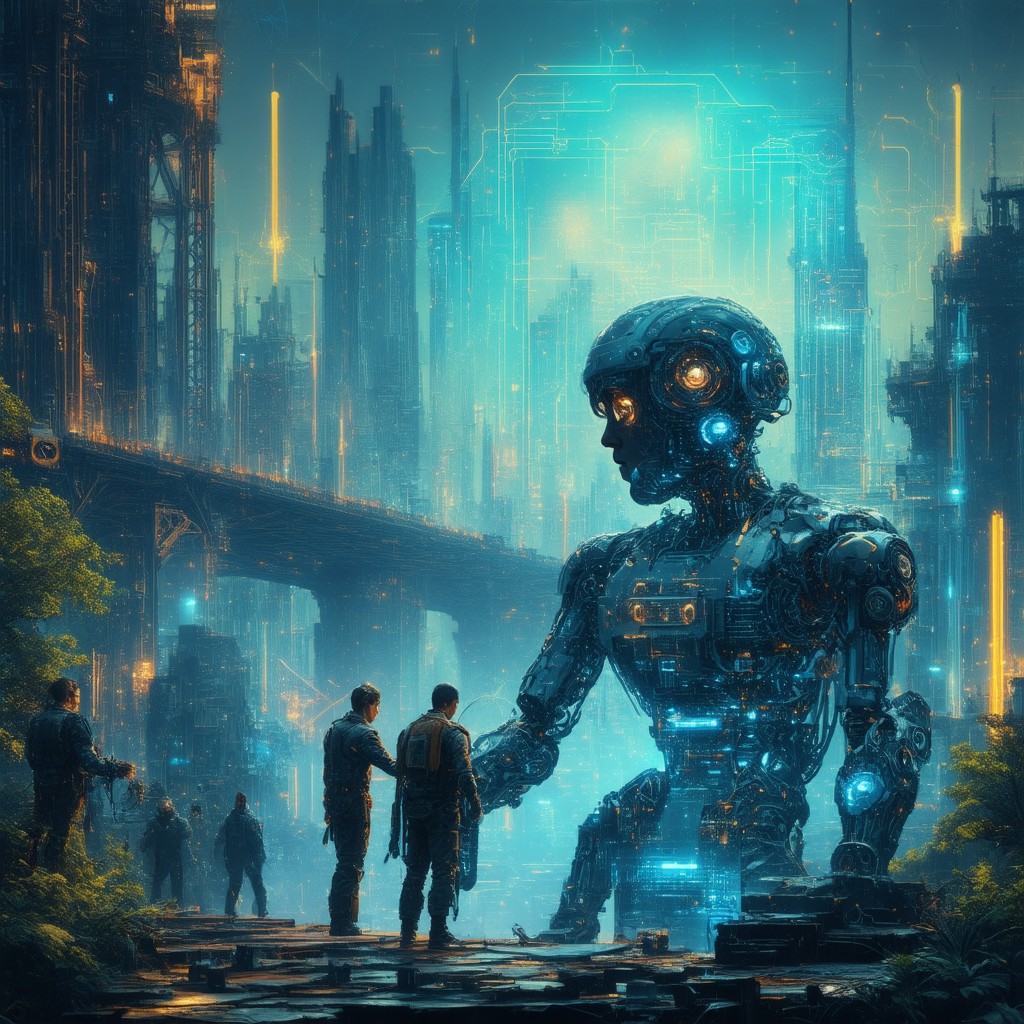
The Role of AI in Different Engineering Fields
Is AI a Threat to Engineering Jobs?
The question of whether AI is a threat to engineering jobs is complex and multifaceted. Here are key points to consider:
1. **Automation of Routine Tasks**: AI technologies, such as machine learning and robotics, are increasingly capable of automating repetitive and routine engineering tasks. This can lead to increased efficiency but may also reduce the demand for entry-level positions in fields like civil, mechanical, and electrical engineering. According to a report by McKinsey, up to 30% of tasks in engineering could be automated by 2030.
2. **Job Transformation Rather Than Elimination**: While AI may displace certain jobs, it is more likely to transform existing roles. Engineers will need to adapt by acquiring new skills that complement AI technologies. For instance, knowledge of AI algorithms and data analysis will become essential. A study by the World Economic Forum suggests that 85 million jobs may be displaced by a shift in labor between humans and machines, but 97 million new roles could emerge that are more adapted to the new division of labor.
3. **Creation of New Opportunities**: AI can also create new job opportunities within engineering. As industries evolve, there will be a growing need for engineers who can design, implement, and maintain AI systems. Fields such as AI ethics, data science, and AI-driven product development are expected to see significant growth. The National Academy of Engineering emphasizes the importance of interdisciplinary skills that combine engineering with AI and data science.
4. **Enhanced Decision-Making**: AI tools can assist engineers in making more informed decisions by analyzing vast amounts of data quickly. This capability can lead to better project outcomes and innovation. For example, AI-driven predictive analytics can optimize project management and resource allocation, enhancing overall productivity.
5. **Continuous Learning and Adaptation**: Engineers must engage in lifelong learning to stay relevant in an AI-driven landscape. Online platforms and educational institutions are increasingly offering courses in AI and machine learning tailored for engineers. The integration of AI into engineering curricula is vital for preparing future professionals.
In conclusion, while AI presents challenges to traditional engineering roles, it also offers opportunities for growth and innovation. Engineers who embrace AI and adapt their skills will likely find themselves at the forefront of the industry. For further reading, refer to sources such as the McKinsey Global Institute, World Economic Forum, and the National Academy of Engineering for insights into the evolving landscape of engineering jobs in the age of AI.
Will AI Take Over Mechanical Engineering Jobs?
The impact of AI on mechanical engineering jobs is significant and warrants careful consideration. Here are some insights into how AI is reshaping this field:
1. **Automation of Design Processes**: AI can streamline the design process in mechanical engineering through generative design algorithms. These algorithms can analyze multiple design options and suggest the most efficient solutions, reducing the time engineers spend on initial drafts. This shift may lead to fewer entry-level design positions but will enhance the role of engineers who can leverage these tools effectively.
2. **Predictive Maintenance**: AI technologies are revolutionizing maintenance practices in mechanical engineering. By utilizing machine learning algorithms to analyze data from equipment sensors, engineers can predict failures before they occur, minimizing downtime and maintenance costs. This proactive approach creates a demand for engineers skilled in data analysis and AI integration.
3. **Collaboration with Robotics**: The rise of robotics in mechanical engineering is another area where AI plays a crucial role. Engineers will increasingly work alongside AI-driven robots that can perform complex tasks with precision. This collaboration will require engineers to adapt their skill sets to include programming and managing robotic systems.
4. **Focus on Innovation**: As AI takes over routine tasks, mechanical engineers will have more time to focus on innovative projects. This shift can lead to advancements in product development and design, fostering a culture of creativity and exploration within the field.
5. **Skill Development**: To remain competitive, mechanical engineers must embrace continuous learning, particularly in AI and machine learning. Educational institutions are responding by incorporating AI-related courses into their mechanical engineering programs, ensuring that future engineers are well-equipped for the evolving landscape.
In summary, while AI may change the nature of mechanical engineering jobs, it is unlikely to eliminate them entirely. Instead, it will transform roles, requiring engineers to adapt and thrive in a technology-driven environment. For more insights on AI’s impact on engineering, explore resources from the American Society of Mechanical Engineers and other authoritative sources.
AI’s Impact on Systems Engineering
The question of whether AI will take over systems engineering jobs is complex and multifaceted. While AI technologies are increasingly being integrated into various engineering processes, it is unlikely that they will completely replace systems engineering roles. Instead, AI is expected to augment the capabilities of systems engineers, enhancing productivity and efficiency.
Will AI Take Over Systems Engineering Jobs?
AI integration in systems engineering is transforming the landscape of this field. AI tools can automate routine tasks, analyze large datasets, and optimize design processes. For instance, machine learning algorithms can predict system failures and suggest preventive measures, allowing engineers to focus on more strategic aspects of their work. This shift not only enhances productivity but also enables engineers to tackle more complex challenges.
Moreover, systems engineers will need to adapt by acquiring new skills related to AI and data analytics. Understanding how to work alongside AI tools will be crucial. According to a report by the World Economic Forum, the demand for skills in AI and machine learning is expected to grow significantly in the coming years. This evolution in skill sets will ensure that engineers remain relevant and competitive in an increasingly automated environment.
Will AI Take Over Civil Engineering Jobs?
When considering the impact of AI on civil engineering jobs, it’s essential to recognize that while AI can enhance various aspects of civil engineering, it is unlikely to fully replace human engineers. AI can assist in tasks such as project management, risk assessment, and design optimization. For example, AI algorithms can analyze environmental data to inform sustainable design practices, ultimately leading to more efficient and eco-friendly projects.
Furthermore, civil engineers will find that their roles evolve rather than disappear. They will be required to oversee AI implementations, ensuring that projects are designed and executed effectively. This shift will create new job opportunities focused on AI management and integration, allowing civil engineers to leverage technology to improve project outcomes. Embracing AI technologies will be vital for professionals in this field to stay ahead in the competitive job market.
Job Security in Engineering: What to Expect
Which engineering jobs will not be replaced by AI?
As artificial intelligence continues to evolve, certain engineering jobs are less likely to be replaced due to their reliance on human creativity, complex problem-solving, and interpersonal skills. Here are some engineering roles that are expected to remain resilient against AI automation:
1. **Systems Engineers**: These professionals design and manage complex systems over their life cycles. Their ability to integrate various components and ensure they work together effectively requires a deep understanding of both technical and human factors, which AI cannot fully replicate.
2. **Civil Engineers**: Responsible for designing and overseeing infrastructure projects, civil engineers must navigate regulatory environments, collaborate with diverse stakeholders, and adapt to unique project challenges. Their role often involves creative problem-solving and negotiation skills that AI lacks.
3. **Biomedical Engineers**: This field combines engineering principles with medical sciences to develop technologies for healthcare. The need for empathy, ethical considerations, and patient interaction makes this role less susceptible to AI replacement.
4. **Environmental Engineers**: Addressing complex environmental issues requires not only technical knowledge but also an understanding of social and political contexts. Environmental engineers often work on projects that demand innovative solutions tailored to specific community needs.
5. **Software Engineers**: While AI can automate some coding tasks, software engineers who specialize in creative problem-solving, user experience design, and system architecture will remain in demand. Their ability to understand user needs and design intuitive interfaces is crucial.
6. **Robotics Engineers**: Although AI plays a significant role in robotics, engineers who design and build robots must possess a deep understanding of mechanical, electrical, and software systems. The creativity involved in designing new robotic solutions is a human-centric skill.
7. **Data Engineers**: As data continues to grow exponentially, data engineers who can design and maintain robust data architectures will be essential. Their expertise in data governance, security, and compliance is critical in an increasingly data-driven world.
8. **Digital Marketing Engineers**: In the realm of digital marketing, engineers who understand both the technical aspects of web design and the strategic elements of marketing will be invaluable. They can leverage data analytics to optimize campaigns while ensuring a seamless user experience.
In conclusion, while AI will undoubtedly transform many aspects of engineering, roles that require human ingenuity, ethical considerations, and interpersonal skills are likely to endure. According to a report by the World Economic Forum, jobs that emphasize creativity, critical thinking, and emotional intelligence will be less vulnerable to automation (World Economic Forum, 2020). As the engineering landscape evolves, professionals in these fields should focus on enhancing their skills to remain competitive in an AI-augmented world.
Will AI take over electrical engineering jobs?
The question of whether AI will take over electrical engineering jobs is complex. While AI technologies can assist in various tasks, such as circuit design and analysis, the role of electrical engineers encompasses much more than just technical skills. Electrical engineers are involved in innovative design processes, project management, and collaboration with multidisciplinary teams.
AI can enhance productivity by automating routine tasks, but it cannot replicate the critical thinking and creativity required to solve unique engineering challenges. Moreover, as the demand for renewable energy solutions and smart technologies grows, electrical engineers will be crucial in developing and implementing these advancements.
In summary, while AI will change the landscape of electrical engineering, it is unlikely to fully replace the need for skilled engineers who can navigate the complexities of technology and human interaction. For more insights on AI’s impact on engineering jobs, check out our article on [Understanding AI’s impact on jobs](https://digitalmarketingwebdesign.com/understanding-artificial-agency-what-you-need-to-know-about-ai-agents-and-their-impact-on-government-and-jobs/).

Professions Beyond AI’s Reach
As we delve into the question of whether AI will take over engineering jobs, it’s crucial to recognize that not all professions are equally susceptible to automation. Certain careers demand uniquely human skills that machines struggle to replicate. Understanding these roles can provide reassurance to those concerned about job security in the age of AI.
Which profession can AI not replace?
AI cannot replace all jobs, as certain professions require uniquely human skills that are difficult for machines to replicate. Here are three types of careers that are less susceptible to automation:
- Creative Professions: Occupations such as artists, designers, and writers rely heavily on creativity, emotional intelligence, and personal expression. These roles demand a high degree of judgment and originality, which AI struggles to imitate. According to a report by the World Economic Forum, creativity is one of the top skills needed in the future workforce, as it fosters innovation and unique problem-solving capabilities.
- Complex Decision-Making Roles: Professions that involve nuanced decision-making, such as strategists and senior management, require a deep understanding of human behavior, ethics, and context. These roles often involve interpreting complex data and making decisions that consider long-term implications, which AI cannot fully grasp. A study published in the Harvard Business Review emphasizes the importance of human insight in strategic planning, highlighting that AI can assist but not replace human judgment.
- Healthcare Professionals: Roles such as doctors, nurses, and therapists involve not only technical skills but also empathy, compassion, and interpersonal communication. The healthcare field requires professionals to navigate emotional complexities and provide personalized care, which AI lacks. Research from the National Institutes of Health indicates that while AI can enhance diagnostic processes, the human touch in patient care remains irreplaceable.
Will AI take over data engineering jobs?
Data engineering is a field that has seen significant advancements due to AI technologies. However, the question remains: will AI take over data engineering jobs? While AI can automate certain tasks such as data cleaning and processing, the role of a data engineer involves a deep understanding of data architecture, system design, and the ability to interpret complex data sets. These aspects require human insight and creativity, making it unlikely that AI will fully replace data engineering roles. Instead, AI will likely serve as a powerful tool that enhances the capabilities of data engineers, allowing them to focus on more strategic and innovative tasks.
The Future of Engineering Careers
Can AI Replace Engineers in Future?
As we look toward the future, the question of whether AI can replace engineers looms large. While AI technologies are advancing rapidly, the consensus among experts is that AI will not fully replace engineers but rather transform their roles. Engineers will increasingly collaborate with AI systems to enhance productivity and innovation. For instance, AI can automate routine tasks, allowing engineers to focus on complex problem-solving and creative design. This shift means that engineers will need to adapt by acquiring new skills, particularly in AI and data analysis, to remain relevant in their fields.
Moreover, specific engineering disciplines may experience varying degrees of AI integration. For example, while AI may take over some aspects of software engineering, such as code generation and testing, it is less likely to replace the nuanced decision-making required in mechanical or civil engineering. The future will likely see a hybrid workforce where human ingenuity and AI capabilities work in tandem.
Will AI Take Over Network Engineer Jobs?
The role of network engineers is evolving in the face of AI advancements. While AI can automate network management tasks, such as monitoring and troubleshooting, it is unlikely to completely take over network engineering jobs. Instead, AI tools will serve as valuable assistants, helping network engineers optimize performance and enhance security.
AI-driven solutions can analyze vast amounts of network data to identify patterns and predict potential issues before they arise. This predictive capability allows network engineers to proactively address problems, improving overall network reliability. However, the strategic planning and design aspects of network engineering will still require human expertise. As such, network engineers will need to embrace AI technologies and develop skills in AI integration to thrive in this changing landscape.
In summary, while AI will significantly impact engineering careers, it will not replace engineers entirely. Instead, it will reshape their roles, emphasizing the need for continuous learning and adaptation in an increasingly automated world.
Exploring Reverse Engineering and AI
Can AI do reverse engineering?
AI has made significant strides in reverse engineering, a process traditionally reliant on human expertise. By utilizing machine learning algorithms and advanced data analysis, AI can automate the extraction of design information from existing products. This capability allows for rapid prototyping and innovation, as AI systems can analyze complex structures and suggest improvements or modifications. For instance, AI tools can dissect software applications to understand their functionality, which is particularly useful in cybersecurity for identifying vulnerabilities. Companies like IBM and Microsoft are at the forefront of integrating AI into reverse engineering processes, enhancing efficiency and accuracy in product development.
Will AI take over cloud engineer jobs?
The role of cloud engineers is evolving with the advent of AI technologies, but it is unlikely that AI will completely take over these jobs. Cloud engineers are responsible for designing, implementing, and managing cloud services, which require a deep understanding of both technical and business needs. While AI can automate routine tasks such as monitoring and resource allocation, the strategic decision-making and complex problem-solving aspects of cloud engineering still necessitate human intervention. Moreover, as cloud technologies advance, new roles will emerge that focus on AI integration within cloud infrastructures. Therefore, rather than replacing cloud engineers, AI is more likely to augment their capabilities, allowing them to focus on higher-level tasks and innovation.