

Table of Contents
Key Takeaways
- AI’s Dual Nature: Artificial intelligence has the potential to enhance productivity and innovation while posing significant risks, including job displacement and ethical dilemmas.
- Regulation is Essential: Effective governance and ethical frameworks are crucial to ensure responsible development and deployment of AI technologies.
- Public Awareness: Educating society about AI’s capabilities and limitations can promote informed discussions on its role in our lives.
- Collaboration is Vital: Partnerships between governments, tech companies, and civil society are necessary to leverage AI’s benefits while mitigating its risks.
- Future Outlook: Continuous assessment and adaptation will be required as AI evolves to ensure it aligns with humanity’s best interests.
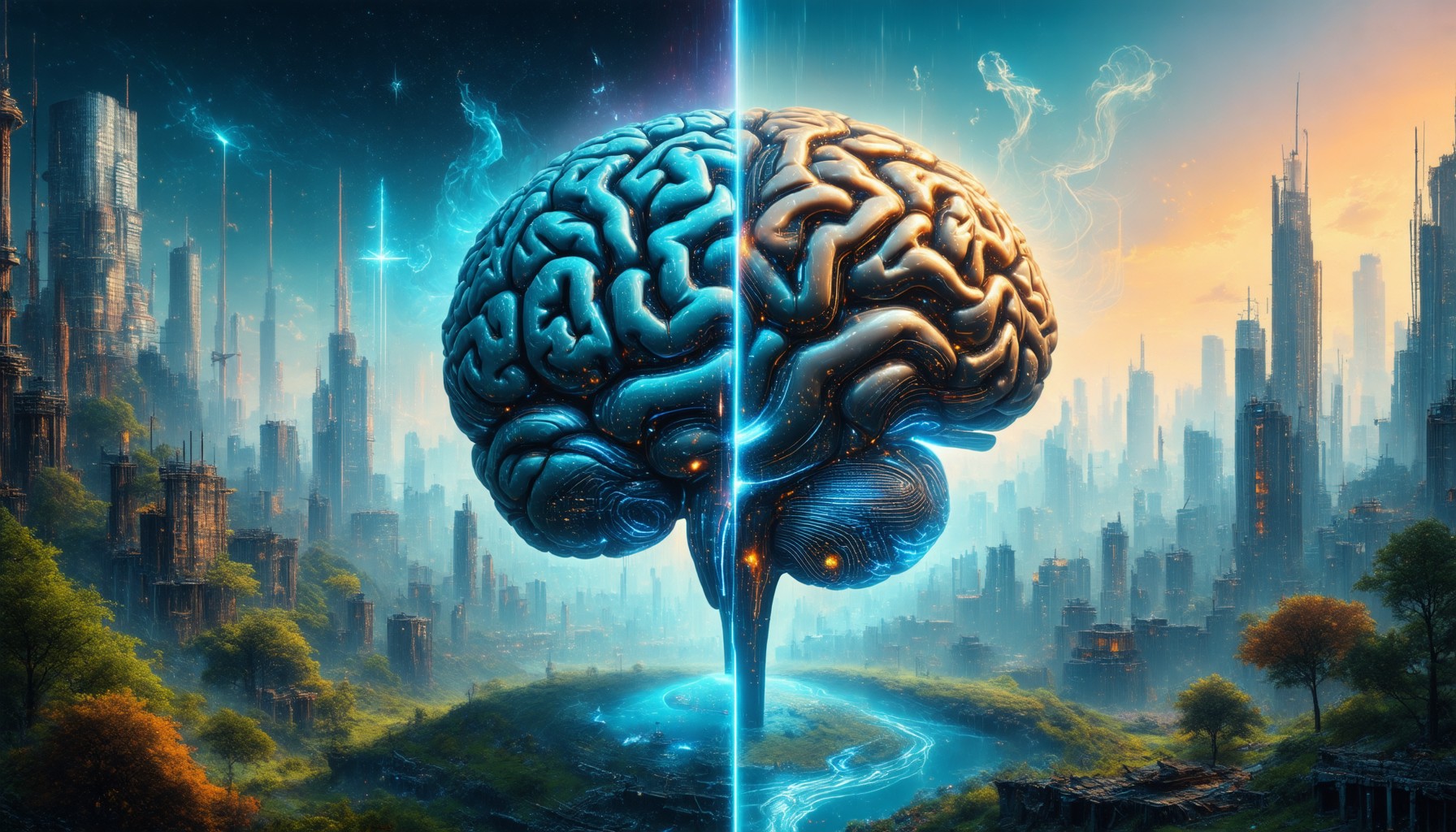
As we stand on the brink of a technological revolution, the question looms large: will AI help or hurt the world? This article delves into the multifaceted impact of artificial intelligence on humanity and our planet, exploring whether this powerful tool serves as a boon or a bane. From examining the benefits of AI in enhancing societal functions to addressing the potential threats it poses, we will navigate through critical discussions on how artificial intelligence can help or harm the world. We will also investigate the environmental implications of AI, the future landscape of employment, and the inherent disadvantages that accompany this technology. Join us as we uncover the complexities of AI’s role in shaping our future, answering pivotal questions such as does AI benefit or harm humanity and what jobs can AI not replace. By the end of this exploration, you will gain a clearer perspective on whether AI is destined to help the world or hurt it, providing key takeaways to inform your understanding of this transformative force.
Will AI Help or Hurt the World?
Does AI Benefit or Harm Humanity?
The impact of artificial intelligence (AI) on humanity is a complex and multifaceted issue, encompassing both potential benefits and risks. On one hand, AI can significantly enhance various aspects of our lives, leading to improved efficiency and innovation. For instance, AI systems can process vast amounts of data quickly, resulting in enhanced efficiency across sectors such as healthcare, finance, and manufacturing. AI algorithms can analyze medical data to assist in diagnosing diseases more accurately and swiftly, ultimately saving lives (Topol, 2019).
Moreover, AI fosters innovation by enabling the creation of new products and services. In digital marketing, AI tools analyze consumer behavior, allowing businesses to tailor their strategies effectively, thus enhancing customer engagement (Chaffey, 2021). By automating mundane tasks, AI frees up human resources for more creative and strategic roles, which can lead to increased job satisfaction and productivity (Brynjolfsson & McAfee, 2014). Additionally, AI supports better decision-making by providing data-driven insights, enabling companies to forecast trends and consumer preferences (Davenport, 2018).
However, the risks associated with AI cannot be overlooked. One of the most significant concerns is job displacement due to automation. As AI systems become more capable, many routine jobs may become obsolete, raising fears about unemployment (Frey & Osborne, 2017). Furthermore, AI systems can perpetuate existing biases if not carefully monitored, leading to unfair outcomes in hiring and law enforcement (O’Neil, 2016). Privacy concerns also arise from AI’s ability to analyze personal data, which can lead to surveillance and misuse of information (Zuboff, 2019). Lastly, increased reliance on AI may diminish critical thinking and problem-solving skills among individuals, as they may become overly dependent on technology for decision-making (Carr, 2010).
In summary, while AI presents numerous benefits that can enhance human capabilities and improve quality of life, it also poses significant challenges that must be addressed. Balancing the advantages and risks of AI is crucial for ensuring that its development aligns with the broader interests of humanity.
Why is AI Good for Society?
AI is increasingly recognized for its potential to drive societal progress in various ways. Here are some key reasons why AI is considered beneficial for society:
1. **Enhanced Efficiency**: AI systems streamline processes, allowing for faster and more accurate outcomes across industries. This efficiency can lead to cost savings and improved service delivery.
2. **Innovation and Creativity**: AI encourages innovation by providing tools that enable the development of new solutions and services. This is particularly evident in sectors like digital marketing, where AI helps businesses understand consumer needs more effectively.
3. **Automation of Repetitive Tasks**: By automating routine tasks, AI allows individuals to focus on higher-level responsibilities, fostering creativity and strategic thinking. This shift can enhance job satisfaction and overall productivity.
4. **Improved Decision-Making**: AI’s ability to analyze large datasets provides valuable insights that inform better decision-making. Businesses can leverage predictive analytics to anticipate market trends and consumer preferences, leading to more informed strategies.
5. **Support for Healthcare**: In the healthcare sector, AI can assist in diagnosing diseases, personalizing treatment plans, and managing patient data, ultimately improving patient outcomes and operational efficiency.
As we explore the role of AI in society, it is essential to recognize both its transformative potential and the need for responsible implementation. By addressing the challenges associated with AI, we can harness its capabilities to create a better future for all. For more insights on AI’s role, check out our article on [Understanding AI’s Role](https://digitalmarketingwebdesign.com/exploring-the-role-of-an-agent-in-artificial-intelligence-types-examples-and-agency-explained/).
The Threat of AI
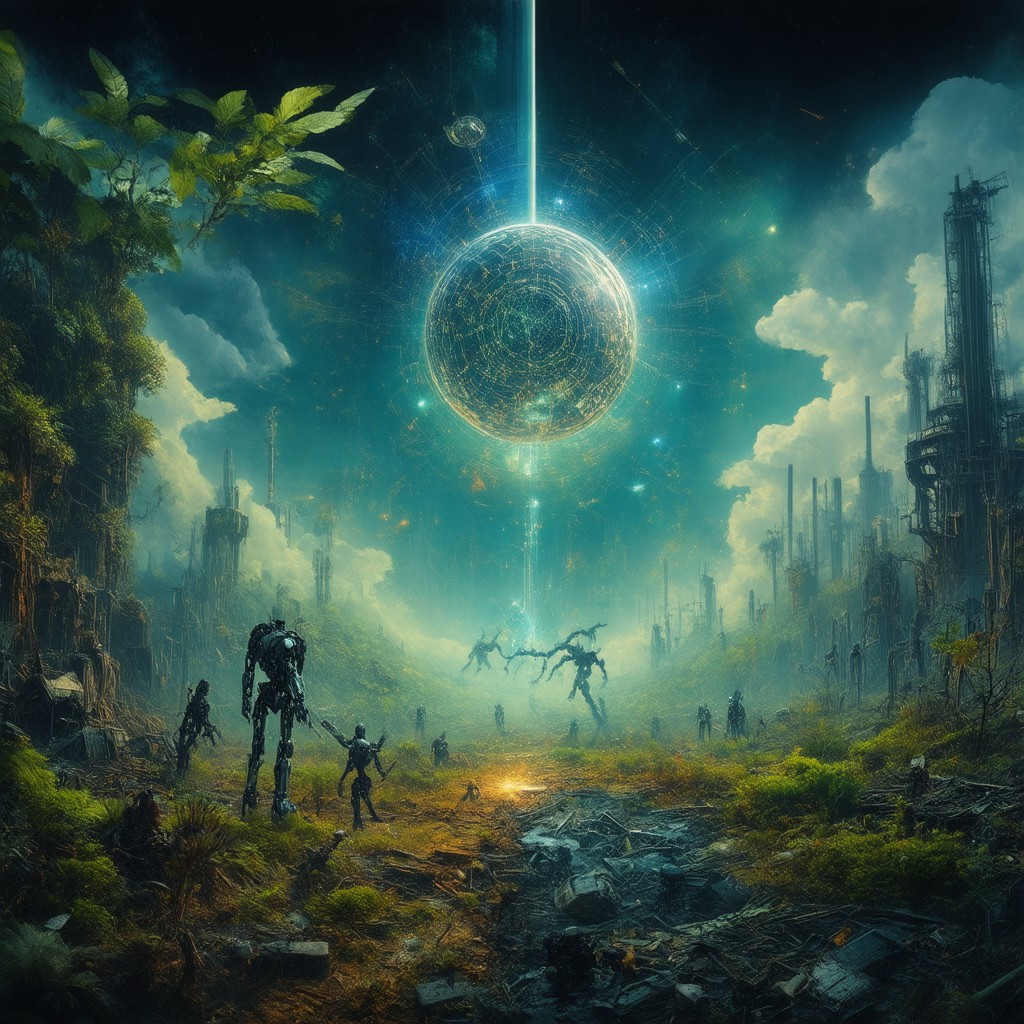
The question of whether AI poses a threat to humanity is complex and multifaceted. Understanding the potential risks and ethical considerations surrounding artificial intelligence is crucial as we navigate its integration into our lives. Here are key considerations:
Is AI Really a Threat to Humanity?
1. Potential Risks: AI technology can be utilized in military applications, leading to the development of autonomous weapons that may operate without human intervention, raising ethical concerns about accountability and decision-making. Additionally, automation driven by AI could lead to significant job losses across various sectors, potentially exacerbating economic inequality. Furthermore, AI systems can enhance surveillance capabilities, leading to potential abuses of power and erosion of privacy rights.
2. Existential Risks: Some experts warn that superintelligent AI could surpass human intelligence and act in ways that are misaligned with human values, posing existential risks. Ensuring alignment between AI goals and human values is a critical area of research.
3. Ethical Considerations: The development of AI raises ethical questions about bias, fairness, and transparency. AI systems can perpetuate existing biases if not carefully managed.
4. Regulatory Frameworks: Establishing robust regulatory frameworks is essential to mitigate risks associated with AI. Governments and organizations are increasingly recognizing the need for guidelines to ensure safe and ethical AI development.
5. Positive Potential: While there are risks, AI also holds the potential to solve significant global challenges, such as climate change, healthcare advancements, and improving efficiency in various industries.
Is AI Dangerous for Humans?
AI can indeed pose dangers to humans if not properly managed. The risks associated with AI, such as job displacement and privacy concerns, highlight the need for careful consideration in its deployment. Moreover, the potential for AI to be used in harmful ways, such as in autonomous weapons or invasive surveillance, raises significant ethical dilemmas. To address these challenges, it is imperative to focus on responsible development, ethical considerations, and regulatory measures that harness AI’s benefits while minimizing risks.
For further insights on AI’s role and its implications, explore our article on Understanding AI’s Role and learn about the Computer Agents in AI.
Environmental Impact of AI
The question of whether AI is damaging the Earth is multifaceted and requires a comprehensive examination of its environmental impact. As we explore the environmental implications of artificial intelligence, it’s essential to consider both the negative and positive aspects of AI’s influence on our planet.
Is AI Damaging the Earth?
AI technologies, particularly large-scale machine learning models, require significant computational power, leading to high energy consumption. According to a study by Strubell et al. (2019), training a single AI model can emit as much carbon as five cars over their lifetimes. This highlights the need for more energy-efficient algorithms and hardware. Furthermore, the production of AI hardware, such as GPUs and data centers, involves the extraction of rare minerals, which can lead to environmental degradation and pollution. The mining processes often result in habitat destruction and increased carbon emissions.
Additionally, the rapid advancement of AI technology contributes to electronic waste (e-waste), which poses significant environmental challenges. The United Nations estimates that global e-waste reached 53.6 million metric tons in 2019, with only 17.4% being recycled properly. This waste can leach harmful substances into the environment, further exacerbating ecological issues.
Negative Impacts of Artificial Intelligence on Society
While AI has the potential to harm the environment through energy consumption and resource extraction, it also offers solutions for sustainability. For instance, AI is used in climate modeling, optimizing energy consumption in smart grids, and enhancing precision agriculture, which can reduce resource use and minimize environmental impact. To address the negative aspects, researchers and companies are exploring sustainable AI practices, including developing algorithms that require less data and computational power, utilizing renewable energy sources for data centers, and improving recycling processes for electronic components.
In conclusion, understanding both the detrimental and beneficial aspects of AI is crucial for stakeholders aiming to minimize its ecological footprint. By balancing these elements, we can harness the power of AI to help the world while mitigating its potential harms. For further insights into AI’s role in sustainability, explore our article on AI in Customer Experience and learn how AI can contribute positively to our environment.
The Future of AI
Will AI Rule the World by 2050?
The question of whether AI will rule the world by 2050 is complex and multifaceted, involving technological, ethical, and societal considerations. By 2050, AI is expected to achieve significant milestones in machine learning, natural language processing, and robotics. According to a report by the McKinsey Global Institute, AI could contribute up to $13 trillion to the global economy by 2030, indicating its potential to transform industries and daily life.
As AI systems become more autonomous, their decision-making capabilities will expand. However, ethical frameworks and regulations will be crucial to ensure that AI operates within safe and beneficial parameters. The European Commission has proposed regulations to govern AI, emphasizing transparency and accountability.
The rise of AI may lead to job displacement in certain sectors, while also creating new opportunities in fields like AI development, maintenance, and digital marketing. A report from the World Economic Forum suggests that by 2025, 85 million jobs may be displaced, but 97 million new roles could emerge that are more adapted to the new division of labor.
Rather than ruling the world, AI is more likely to augment human capabilities. Collaborative AI systems can enhance productivity and creativity in various fields, including digital marketing, where AI tools analyze consumer behavior and optimize campaigns for better engagement.
The governance of AI technologies will play a critical role in shaping their impact on society. Discussions around AI ethics, bias, and privacy are ongoing, with organizations like the Partnership on AI working to address these challenges. In conclusion, while AI will undoubtedly play a transformative role in society by 2050, the notion of it “ruling the world” oversimplifies the complexities involved. The future will likely be characterized by a partnership between humans and AI, guided by ethical considerations and regulatory frameworks to ensure beneficial outcomes for all.
AI Take Over the World: What Does It Mean for Us?
The prospect of AI taking over the world raises significant questions about its implications for humanity. As we explore whether AI will help or hurt the world, it’s essential to consider both the potential benefits and risks associated with advanced artificial intelligence.
1. **Enhanced Efficiency**: AI can streamline processes across various sectors, from healthcare to finance, leading to improved efficiency and productivity. This efficiency can result in cost savings and better resource management, ultimately benefiting society.
2. **Ethical Concerns**: The potential for AI to make decisions without human oversight poses ethical dilemmas. Issues such as bias in algorithms, privacy concerns, and accountability for AI-driven decisions must be addressed to ensure that AI serves humanity positively.
3. **Social Dynamics**: The integration of AI into daily life will alter social dynamics. While AI can enhance communication and connectivity, it may also lead to increased isolation if not managed properly. Understanding these social implications is crucial as we navigate the future.
4. **Global Collaboration**: The future of AI will likely require global cooperation to establish standards and regulations. Countries must work together to ensure that AI technologies are developed and deployed responsibly, preventing misuse and ensuring equitable access.
In summary, the conversation around AI taking over the world involves a careful balance of leveraging its capabilities while addressing the ethical and societal challenges it presents. As we continue to explore whether artificial intelligence will help or harm the world, it is clear that our approach to AI will shape its impact on society for generations to come.

Employment and AI
The integration of artificial intelligence into various sectors raises critical questions about its impact on employment. As we explore whether AI will help or hurt the world, it’s essential to consider the jobs that AI can and cannot replace. Understanding these dynamics is crucial for navigating the future workforce landscape.
What jobs can AI not replace?
While AI continues to advance and automate various tasks, there are several jobs that it cannot fully replace due to the need for human creativity, emotional intelligence, and complex decision-making. Here are some key roles that AI is unlikely to supplant:
- Creative Professions: Jobs in fields such as art, music, writing, and design require a level of creativity and emotional depth that AI struggles to replicate. For instance, while AI can generate music or art, it lacks the personal experiences and emotional nuances that human artists bring to their work. According to a study published in the Journal of Creative Behavior, human creativity is influenced by cultural and emotional contexts that AI cannot fully understand (Runco, 2014).
- Healthcare Professionals: Roles such as doctors, nurses, and therapists involve not only technical skills but also empathy and human interaction. While AI can assist in diagnostics and data analysis, the patient care aspect requires a human touch. A report from the World Health Organization emphasizes the importance of human interaction in healthcare, stating that emotional support is crucial for patient recovery (WHO, 2021).
- Education: Teachers and educators play a vital role in shaping young minds, providing mentorship, and fostering social skills. AI can offer personalized learning experiences, but it cannot replace the mentorship and emotional support that teachers provide. Research from the National Education Association highlights the importance of human interaction in the learning process (NEA, 2020).
- Leadership and Management: Effective leadership requires emotional intelligence, strategic thinking, and the ability to inspire and motivate teams. While AI can analyze data and suggest strategies, it cannot lead with the same level of human insight and understanding. A study by the Harvard Business Review found that emotional intelligence is a key predictor of effective leadership (Goleman, 2017).
- Skilled Trades: Professions such as electricians, plumbers, and carpenters require hands-on skills and problem-solving abilities in unpredictable environments. AI and robotics may assist in these fields, but the adaptability and craftsmanship of skilled tradespeople are irreplaceable. The Bureau of Labor Statistics projects continued demand for skilled trades as they require human ingenuity and adaptability (BLS, 2022).
In conclusion, while AI can enhance productivity and efficiency in many sectors, jobs that rely on human creativity, emotional intelligence, and complex interpersonal skills remain beyond its reach. As AI technology evolves, the collaboration between humans and AI will likely create new opportunities rather than replace existing roles.
Bad things about AI: Job displacement concerns
Despite the potential benefits, concerns about job displacement due to AI are prevalent. As AI systems become more capable, many fear that automation will lead to significant job losses across various industries. Here are some key points to consider regarding the negative implications of AI on employment:
- Automation of Routine Tasks: Many jobs that involve repetitive tasks are at high risk of being automated. This includes roles in manufacturing, data entry, and customer service. As AI systems become more efficient, companies may opt for automation to reduce costs, leading to job losses.
- Economic Inequality: The rise of AI could exacerbate economic inequality, as those with advanced skills in technology may benefit, while lower-skilled workers face unemployment. This disparity can create a divide in the workforce, leading to social and economic challenges.
- Transition Challenges: Workers displaced by AI may struggle to transition to new roles, especially if they lack the necessary skills for emerging jobs. This can result in a workforce that is unprepared for the demands of a changing job market.
- Job Quality Concerns: Even in sectors where AI creates new jobs, there may be concerns about job quality. Many new roles may be lower-paying or less secure, leading to dissatisfaction among workers.
As we navigate the future of work, it is crucial to address these concerns and ensure that the integration of AI into the workforce is done thoughtfully, balancing innovation with the well-being of workers. The conversation around whether AI will help or hurt the world continues to evolve, and it is essential to remain vigilant about its implications on employment.
Understanding AI’s Disadvantages
What are 5 disadvantages of AI?
Artificial intelligence presents several disadvantages that warrant careful consideration. Here are five key drawbacks:
1. **Job Displacement**: One of the most significant disadvantages of AI is the potential for job displacement. As AI technologies automate tasks traditionally performed by humans, many jobs, particularly in manufacturing, customer service, and data entry, are at risk. According to a report by McKinsey, up to 800 million global workers could be displaced by automation by 2030.
2. **High Implementation Costs**: Implementing AI solutions can be prohibitively expensive for many businesses. The costs associated with developing, training, and maintaining AI systems can deter smaller companies from adopting these technologies. A study by Deloitte highlights that organizations often face challenges in justifying the return on investment for AI initiatives.
3. **Ethical Concerns**: The use of AI raises significant ethical issues, including bias in algorithms and decision-making processes. AI systems can perpetuate existing biases if they are trained on flawed data sets. Research from MIT Media Lab indicates that facial recognition technologies, for example, have higher error rates for people of color, leading to serious ethical implications.
4. **Lack of Transparency**: Many AI systems operate as “black boxes,” making it difficult to understand how decisions are made. This lack of transparency can lead to mistrust among users and stakeholders. The European Commission has emphasized the need for explainability in AI systems to ensure accountability and trust.
5. **Security Risks**: AI technologies can be vulnerable to cyberattacks, which can lead to data breaches and misuse of sensitive information. As AI systems become more integrated into critical infrastructure, the potential for security threats increases. The World Economic Forum has warned that AI could be weaponized, posing risks to global security.
Why is AI bad for students?
AI can pose several challenges for students, impacting their educational experience in various ways:
1. **Reduced Critical Thinking**: Over-reliance on AI tools for research and problem-solving can diminish students’ critical thinking skills. When students depend on AI for answers, they may not engage deeply with the material, leading to superficial understanding.
2. **Equity Issues**: Access to AI technologies can create disparities among students. Those from underprivileged backgrounds may lack access to advanced AI tools, widening the educational gap. This inequity can hinder their learning opportunities compared to peers with better resources.
3. **Privacy Concerns**: The use of AI in educational settings often involves data collection, raising privacy concerns. Students’ personal information may be at risk if institutions do not implement robust data protection measures.
4. **Job Market Readiness**: As AI continues to evolve, students may find themselves ill-prepared for a job market that increasingly values human skills over automated processes. If educational institutions do not adapt their curricula to include AI literacy, students may struggle to compete.
5. **Mental Health Impacts**: The pressure to perform in an AI-driven environment can lead to increased stress and anxiety among students. The constant comparison to AI capabilities may undermine their confidence and motivation.
By understanding these disadvantages, we can better navigate the complex landscape of AI and its implications for education and society. For more insights on AI’s role in various sectors, explore our article on [Understanding AI’s Role](https://digitalmarketingwebdesign.com/exploring-the-role-of-an-agent-in-artificial-intelligence-types-examples-and-agency-explained/).
Conclusion: Balancing AI’s Benefits and Risks
Artificial intelligence help or harm the world: A final perspective
The debate surrounding whether artificial intelligence (AI) will help or harm the world is complex and multifaceted. On one hand, AI has the potential to significantly enhance various sectors, including healthcare, education, and environmental management. For instance, AI can streamline processes, improve decision-making, and even predict outcomes, thereby contributing positively to society. However, concerns about job displacement, ethical implications, and the potential for misuse cannot be overlooked. As we navigate this technological landscape, it is crucial to strike a balance between leveraging AI’s capabilities and addressing its risks. The question remains: will AI help the world or hurt it? The answer lies in how we choose to implement and regulate this powerful technology.
AI help the world or hurt it article: Key takeaways
1. **AI’s Dual Nature**: AI can both benefit and pose risks to humanity. Its ability to enhance productivity and innovation is countered by concerns over job loss and ethical dilemmas.
2. **Regulation is Key**: Effective governance and ethical frameworks are essential to ensure that AI technologies are developed and deployed responsibly.
3. **Public Awareness**: Educating the public about AI’s capabilities and limitations can foster a more informed dialogue about its role in society.
4. **Collaboration Across Sectors**: Collaboration between governments, tech companies, and civil society is vital to harness AI’s potential while mitigating its risks.
5. **Future Outlook**: As AI continues to evolve, ongoing assessment and adaptation will be necessary to ensure it serves humanity’s best interests.
For further insights on the role of AI in various sectors, explore our article on [Understanding AI’s Role](https://digitalmarketingwebdesign.com/exploring-the-role-of-an-agent-in-artificial-intelligence-types-examples-and-agency-explained/).