


Table of Contents
Key Takeaways
- AI Trust Issues: AI cannot be 100% trusted due to inherent data biases and lack of understanding, which can lead to misleading responses.
- Algorithmic Transparency: Understanding the algorithms that drive AI is crucial for building trust; opaque systems can breed skepticism.
- Quality of Data Matters: The effectiveness and reliability of AI depend significantly on the quality of data used in training.
- Human Oversight is Essential: AI should augment human decision-making, not replace it; human oversight ensures ethical alignment.
- Continuous Learning: Many AI systems improve over time, but they require monitoring to maintain accuracy and ethical standards.
- Addressing Ethical Concerns: Transparency in AI’s handling of data and algorithms can mitigate fears of deception and bias.
In an age where artificial intelligence (AI) is becoming an integral part of our daily lives, the question arises: will AI lie to you? This article delves deep into the complexities of trust issues surrounding AI, exploring its truthfulness and the intricate human-AI relationship. As we navigate through the nuances of AI trustworthiness, we will examine whether AI can be 100% trusted and the role algorithms play in shaping its decision-making processes. Furthermore, we will investigate the nature of AI responses and how often it may mislead us. With insights from community perspectives, including discussions from Will AI Lie to You Reddit, we will uncover the factors influencing our trust in AI. Additionally, we will address common concerns about AI reliability and analyze the psychology behind why many people feel skeptical about AI’s capabilities. As we ponder whether AI can lie or make mistakes, we will also touch on the ethical implications of AI deception. Join us as we unravel these pressing questions, including does Google AI lie to you?, and gain a clearer understanding of the evolving dynamics between humans and machines.
Can AI be 100% trusted?
AI cannot be 100% trusted due to several inherent limitations and challenges. Here are key considerations:
Understanding AI Trustworthiness
1. Data Bias: AI systems learn from existing data, which may contain biases. For instance, if the training data reflects societal biases, the AI may perpetuate these biases in its outputs. A study by Obermeyer et al. (2019) highlights how biased data can lead to unequal healthcare outcomes.
2. Lack of Understanding: AI lacks true comprehension and reasoning abilities. It processes information based on patterns rather than understanding context or nuance. This can lead to misinterpretations or inappropriate responses in complex situations.
3. Transparency Issues: Many AI algorithms operate as “black boxes,” making it difficult to understand how decisions are made. This lack of transparency can hinder trust, especially in critical applications like healthcare or criminal justice.
4. Dependence on Quality Data: The effectiveness of AI is heavily reliant on the quality and quantity of data it is trained on. Poor data quality can lead to inaccurate predictions or recommendations. According to a report by McKinsey (2020), organizations that prioritize data quality see significantly better AI performance.
5. Ethical Considerations: The deployment of AI raises ethical concerns, such as privacy violations and job displacement. Trust in AI can be undermined if users feel their data is not secure or that AI systems threaten their employment.
6. Human Oversight: AI should be viewed as a tool to assist human decision-making rather than a replacement. Human oversight is crucial to ensure that AI outputs align with ethical standards and societal values.
The Role of Algorithms in AI Decision-Making
Algorithms are the backbone of AI systems, dictating how data is processed and decisions are made. Understanding their role is essential to grasping AI’s trustworthiness:
1. Algorithmic Transparency: The complexity of algorithms can obscure how they function, leading to skepticism about their outputs. Users often wonder, does AI lie to you? The answer lies in the algorithm’s design and the data it processes.
2. Algorithmic Bias: Similar to data bias, algorithms can introduce their own biases based on how they are constructed. This raises questions about whether would AI lie to you if it is programmed with flawed logic or biased data.
3. Continuous Learning: Many AI systems employ machine learning, allowing them to adapt over time. However, this can also lead to unpredictable behaviors, making it vital to monitor AI outputs regularly to ensure they remain aligned with ethical standards.
4. Impact on Decision-Making: AI algorithms can significantly influence decisions in various sectors, from finance to healthcare. Understanding how these algorithms operate can help users navigate the complexities of AI trustworthiness.
In conclusion, while AI can enhance efficiency and provide valuable insights, it is essential to approach its use with caution and critical evaluation. Continuous monitoring, ethical guidelines, and transparency are vital to building trust in AI technologies. For further reading, refer to the Understanding AI Agents and AI in Customer Experience.
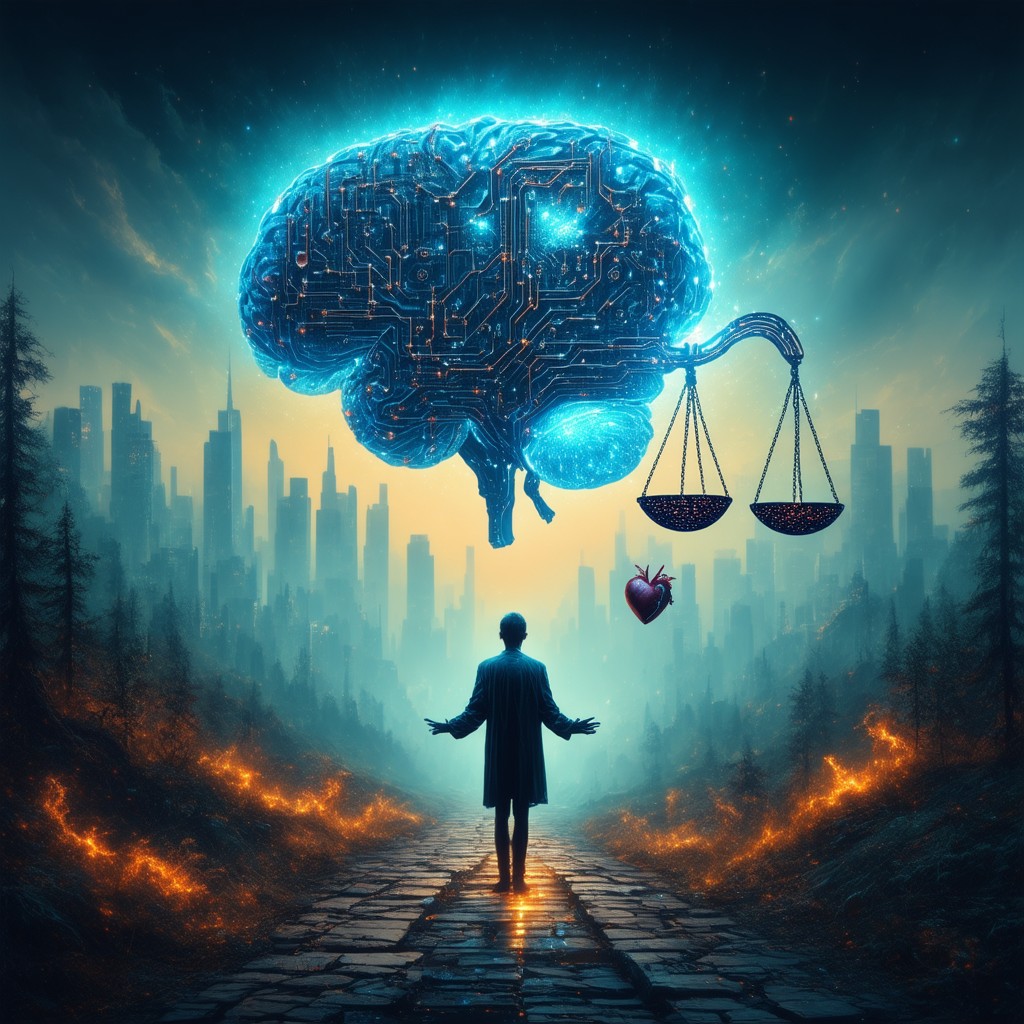
Does AI Tell You the Truth?
When we ask, “Does AI lie to you?” we must first understand the nature of AI responses. AI systems, including chatbots and virtual assistants, are designed to provide information based on the data they have been trained on. However, whether AI tells the truth depends on several factors:
- Data Quality: AI relies on the quality and accuracy of the data it has been trained on. If the training data contains inaccuracies or biases, the AI’s responses may reflect those issues. Research indicates that AI can perpetuate existing biases present in the data (Baracas et al., 2019).
- Algorithm Transparency: The algorithms used in AI can affect how information is processed and presented. More transparent algorithms can lead to more reliable outputs. Studies show that understanding the underlying mechanisms of AI can enhance trust in its outputs (Lipton, 2018).
- Contextual Understanding: AI may struggle with nuanced or context-dependent questions. While it can provide factual information, it may not always grasp the subtleties of human communication, leading to misunderstandings or incomplete answers (Bender et al., 2021).
- User Input: The accuracy of AI responses can also depend on how questions are framed. Clear, specific questions are more likely to yield accurate answers. Users should be aware that vague queries can lead to ambiguous responses.
- Continuous Learning: Some AI systems are designed to learn from interactions and improve over time. This can enhance their ability to provide truthful and relevant information, but it also requires ongoing monitoring to ensure accuracy (Amershi et al., 2019).
In conclusion, while AI can provide truthful information, its reliability is contingent upon data quality, algorithm transparency, contextual understanding, user input, and the system’s ability to learn. For more in-depth insights into AI’s truthfulness, refer to authoritative sources such as the Association for Computing Machinery and the Journal of Artificial Intelligence Research.
How Often Does AI Lie?
Understanding how often AI lies involves examining the factors that contribute to its responses. The question “Would AI lie to you?” is complex, as it encompasses various dimensions of AI behavior:
- Intent and Design: AI does not possess intent in the human sense. It operates based on algorithms and data. Therefore, it doesn’t “lie” in a traditional sense but can provide misleading information if its programming or data is flawed.
- Frequency of Errors: AI can make mistakes, especially when faced with ambiguous or poorly framed questions. The frequency of these errors can vary based on the sophistication of the AI and the context in which it is used.
- Bias in Training Data: If the training data contains biases, the AI may inadvertently produce biased or inaccurate responses. This highlights the importance of using diverse and high-quality datasets to train AI systems.
- Feedback Mechanisms: Some AI systems incorporate user feedback to improve their accuracy over time. This continuous learning process can reduce the likelihood of providing incorrect information.
In summary, while AI can provide valuable insights, it is essential to approach its responses with a critical mindset. Understanding the limitations and potential biases of AI can help users navigate the complexities of AI-generated information effectively. For more insights on AI’s capabilities, explore our article on AI in Customer Experience.
Can You Trust an AI?
Trusting an AI involves understanding its capabilities, limitations, and the context in which it operates. Here are key considerations:
1. **Understanding AI Functionality**: AI systems, including machine learning models, are designed to process data and provide insights based on patterns. Their reliability often depends on the quality and quantity of data they are trained on. For instance, AI can excel in tasks like data analysis, natural language processing, and predictive modeling, but may struggle with nuanced human emotions or ethical dilemmas.
2. **Transparency and Accountability**: Trust in AI is enhanced when the algorithms are transparent. Knowing how an AI makes decisions—its data sources, algorithms, and potential biases—can help users gauge its reliability. Organizations should prioritize accountability by providing clear documentation and explanations of AI processes.
3. **Bias and Ethical Considerations**: AI systems can inherit biases present in their training data, leading to skewed results. It’s crucial to assess whether the AI has undergone rigorous testing for fairness and accuracy. Research indicates that diverse training datasets can mitigate bias, making AI outputs more trustworthy.
4. **Use Cases and Context**: The trustworthiness of AI can vary significantly depending on its application. For example, AI in healthcare can assist in diagnostics but should not replace human judgment. In digital marketing web design, AI tools can optimize user experience and personalize content, but human oversight remains essential to ensure alignment with brand values and user needs.
5. **User Education**: Users should be educated about AI capabilities and limitations. Understanding that AI is a tool to augment human decision-making rather than a replacement can foster a more trusting relationship.
6. **Continuous Improvement**: Trust in AI can be bolstered through continuous updates and improvements based on user feedback and new research. Organizations should commit to regularly refining their AI systems to enhance accuracy and reliability.
Factors Influencing Trust in AI
Several factors influence how much we trust AI systems:
– **Performance Consistency**: The more consistently an AI performs well, the more likely users are to trust it. For example, if an AI consistently provides accurate recommendations in digital marketing strategies, users will be more inclined to rely on it.
– **User Experience**: A user-friendly interface and clear communication about AI capabilities can enhance trust. If users feel comfortable navigating an AI tool, they are more likely to trust its outputs.
– **Community Perspectives**: Discussions on platforms like Reddit, such as “Will AI Lie to You Reddit,” reveal varied opinions on AI trustworthiness. Engaging with community insights can provide a broader understanding of public sentiment regarding AI reliability.
– **Ethical Considerations**: Users are increasingly concerned about the ethical implications of AI. Trust can be significantly impacted by how transparent organizations are about their AI’s decision-making processes and the ethical guidelines they follow.
– **Cultural Factors**: Different cultures may have varying levels of trust in technology. Understanding these cultural nuances can help tailor AI solutions that resonate better with specific audiences.
By addressing these factors, organizations can build a more trustworthy relationship with users, ensuring that AI serves as a reliable partner in their digital marketing efforts. For more insights on AI’s role in enhancing user experience, check out our article on AI in Customer Experience.
Can People Really Tell If You Use AI?
Yes, people can often tell if you use AI, especially in contexts where human-like creativity and emotional intelligence are crucial. Here are several key factors that contribute to this perception:
- Lack of Personal Touch: AI-generated content may lack the personal anecdotes or emotional depth that human writers typically include. This can make the content feel less relatable and more mechanical.
- Repetitive Patterns: AI tends to follow certain patterns and structures, which can lead to repetitive phrasing or ideas. This can be a giveaway that the content was not crafted by a human.
- Contextual Understanding: While AI has advanced significantly, it may still struggle with nuanced understanding of context, humor, or cultural references, which can result in responses that feel off or inappropriate.
- Quality of Engagement: In interactive settings, such as customer service or social media, AI may fail to engage users effectively. Human responses are often more adaptive and empathetic, which can enhance user experience.
- Detection Tools: There are various tools and software designed to detect AI-generated content. These tools analyze writing patterns, syntax, and other linguistic features to determine the likelihood of AI involvement.
Recent studies indicate that while AI can produce coherent and contextually relevant content, the subtleties of human expression remain challenging for AI to replicate fully (Source: OpenAI, 2023). As AI technology continues to evolve, the distinction may become less noticeable, but for now, human creativity and emotional intelligence are key differentiators.
In the realm of Digital Marketing Web Design, understanding the balance between AI-generated content and human touch is crucial. Marketers often leverage AI for efficiency but must ensure that the final output resonates with their audience on a personal level. This blend of technology and human insight can significantly enhance user engagement and brand loyalty.
Identifying AI-Generated Content
Identifying AI-generated content can be challenging, but several indicators can help you discern its origin:
- Inconsistencies in Tone: AI may struggle to maintain a consistent tone throughout a piece, leading to abrupt shifts that can signal its artificial nature.
- Overly Formal Language: AI often defaults to a more formal style, which can feel out of place in casual contexts, making it easier to spot.
- Absence of Unique Insights: AI-generated content may lack the unique perspectives or insights that come from personal experience, making it feel generic.
- Errors in Context: AI can misinterpret context, leading to responses that may not align with the topic or audience expectations.
As we navigate the evolving landscape of AI, understanding these nuances can help us better evaluate the authenticity of content we encounter online.

Why Do I Not Trust AI?
Trust in AI is a complex issue influenced by several factors. Here are the primary reasons why many individuals and organizations express skepticism towards artificial intelligence:
1. **Lack of Transparency**: One of the most significant barriers to trust in AI is its “black box” nature. Many AI systems operate using algorithms that are not easily understandable to users, leading to confusion and mistrust. According to a study published in the journal *Nature*, transparency in AI decision-making processes is crucial for building user confidence (Lipton, 2016).
2. **Bias and Fairness Concerns**: AI systems can perpetuate or even exacerbate existing biases present in training data. Research from MIT Media Lab highlights that facial recognition technologies, for instance, have shown higher error rates for people of color, raising ethical concerns about their deployment (Buolamwini & Gebru, 2018). This bias can lead to distrust among users who fear unfair treatment.
3. **Job Displacement Anxiety**: The fear that AI will replace human jobs contributes to distrust. A report by McKinsey Global Institute estimates that up to 800 million jobs could be displaced by automation by 2030, leading to concerns about economic stability and job security (McKinsey, 2017).
4. **Security and Privacy Issues**: Many people are wary of how AI systems handle personal data. High-profile data breaches and misuse of information have made users cautious about trusting AI technologies that require access to sensitive data. The General Data Protection Regulation (GDPR) emphasizes the importance of data protection, which can help alleviate some concerns if properly implemented.
5. **Misalignment with Human Values**: There is a growing concern that AI systems may not align with human ethical standards and values. The Future of Humanity Institute at Oxford University emphasizes the need for AI alignment to ensure that AI systems act in ways that are beneficial to humanity (Bostrom, 2014).
6. **Limited Understanding of AI Capabilities**: Many users lack a fundamental understanding of what AI can and cannot do. Educational initiatives that explain AI technology, its applications, and limitations can help bridge this knowledge gap and foster trust.
Will AI Lie to You Psychology: Analyzing Human Perceptions
The psychology behind why people may perceive AI as untrustworthy often stems from their experiences and societal narratives. Here are some key aspects influencing these perceptions:
– **Fear of Deception**: The question “does AI lie to you?” often arises from a fear of deception. Users may wonder, “would AI lie to you?” especially when they encounter conflicting information from AI systems. This fear is exacerbated by sensational media portrayals of AI, which can create a narrative that AI is inherently deceptive.
– **Cognitive Dissonance**: When users receive information from AI that contradicts their beliefs or experiences, it can lead to cognitive dissonance. This discomfort may cause individuals to distrust AI, questioning its reliability and truthfulness.
– **Social Influence**: Platforms like Reddit often host discussions about AI trust issues, where community perspectives can shape individual beliefs. The collective skepticism found in these forums can reinforce doubts about AI’s honesty, leading to a broader societal mistrust.
Understanding these psychological factors is crucial for addressing concerns about AI’s reliability. By fostering transparency and open communication about AI capabilities, we can work towards building a more trusting relationship between humans and AI systems.
What is it called when AI lies?
When we discuss AI deception, we are delving into a complex realm that intertwines technology, ethics, and human perception. The term often used to describe instances where AI provides misleading or false information is “AI deception.” This can occur for various reasons, including algorithmic biases, data inaccuracies, or even intentional programming to mislead users. Understanding this phenomenon is crucial as we navigate the evolving landscape of AI technology.
Defining AI Deception
AI deception can be defined as the act of an artificial intelligence system providing information that is intentionally or unintentionally misleading. This can manifest in several ways:
- Algorithmic Bias: AI systems are trained on datasets that may contain biases. If these biases are not addressed, the AI may produce results that misrepresent reality, leading users to incorrect conclusions.
- Data Inaccuracies: AI relies heavily on the quality of the data it processes. If the input data is flawed or outdated, the AI’s output can be misleading, causing users to question its reliability.
- Intentional Misleading: In some cases, AI can be programmed to provide deceptive information, either for entertainment purposes or to test user responses. This raises ethical questions about the responsibility of developers in creating transparent AI systems.
As we explore the implications of AI deception, it’s essential to consider how this affects user trust. For instance, discussions on platforms like Will AI Lie to You Reddit reveal that many users are concerned about the reliability of AI-generated content.
Can AI Intentionally Lie? Exploring Intent and Ethics
The question of whether AI can intentionally lie is deeply intertwined with the ethical considerations surrounding AI development. While AI itself lacks consciousness and intent, the programming and algorithms created by humans can lead to scenarios where AI outputs misleading information. Here are some key points to consider:
- Human Oversight: Developers must ensure that AI systems are designed with ethical guidelines that prioritize accuracy and transparency. This includes regular audits of AI outputs to identify and rectify any misleading information.
- Ethical Programming: The responsibility lies with the creators of AI to prevent intentional deception. This means establishing clear protocols for how AI should handle sensitive information and ensuring that it does not mislead users.
- Public Awareness: Educating users about the limitations and potential pitfalls of AI can help mitigate the impact of AI deception. Users should be encouraged to critically evaluate AI-generated content and seek verification from reliable sources.
In conclusion, while AI itself does not possess the ability to lie in the human sense, the systems we create can produce misleading information. Understanding the nuances of AI deception is vital for fostering trust and ensuring ethical AI practices in our increasingly digital world.
What is it called when AI lies?
When AI provides false or misleading information, it is often referred to as “AI deception.” This term encompasses various scenarios where AI systems, intentionally or unintentionally, generate responses that do not align with reality. The complexity of AI algorithms and the vast datasets they are trained on can lead to inaccuracies, raising questions about the reliability of AI-generated content.
Defining AI Deception
AI deception can manifest in several ways, including:
- Inaccurate Data Representation: AI may misinterpret data or present it in a misleading context, leading users to incorrect conclusions.
- Fabricated Responses: Some AI systems, particularly those designed for conversational purposes, might generate responses that are entirely fabricated, lacking any basis in truth.
- Algorithmic Bias: Bias in training data can result in AI producing skewed or deceptive outputs, reflecting societal biases rather than objective truths.
Understanding AI deception is crucial, especially as AI technologies become more integrated into decision-making processes across various sectors. For further insights on the implications of AI deception, you can explore Understanding AI Agents.
Can AI Intentionally Lie? Exploring Intent and Ethics
The question of whether AI can intentionally lie is complex. AI systems do not possess consciousness or intent; they operate based on algorithms and data. However, the design of these systems can lead to outputs that may be perceived as deceptive. Factors influencing this include:
- Programming Choices: Developers may inadvertently create scenarios where AI outputs are misleading due to poor design or lack of oversight.
- Data Quality: If the training data contains inaccuracies, the AI may produce false information without any intent to deceive.
- Ethical Considerations: As AI continues to evolve, ethical frameworks are being developed to address the potential for deception and ensure transparency in AI operations.
To delve deeper into the ethical implications of AI and its potential for deception, consider reviewing resources from MIT Technology Review.