

Table of Contents
Key Takeaways
- AI is enhancing medical diagnosis, improving accuracy and efficiency in detecting conditions like cancer.
- Artificial intelligence streamlines administrative tasks, allowing healthcare professionals to focus more on patient care.
- AI-driven technologies enable personalized treatment plans, optimizing patient outcomes through precision medicine.
- Medical careers that rely on human empathy, such as nurses and therapists, are less likely to be replaced by AI.
- The future of healthcare will involve collaboration between AI systems and human doctors, ensuring a balance of technology and human touch.
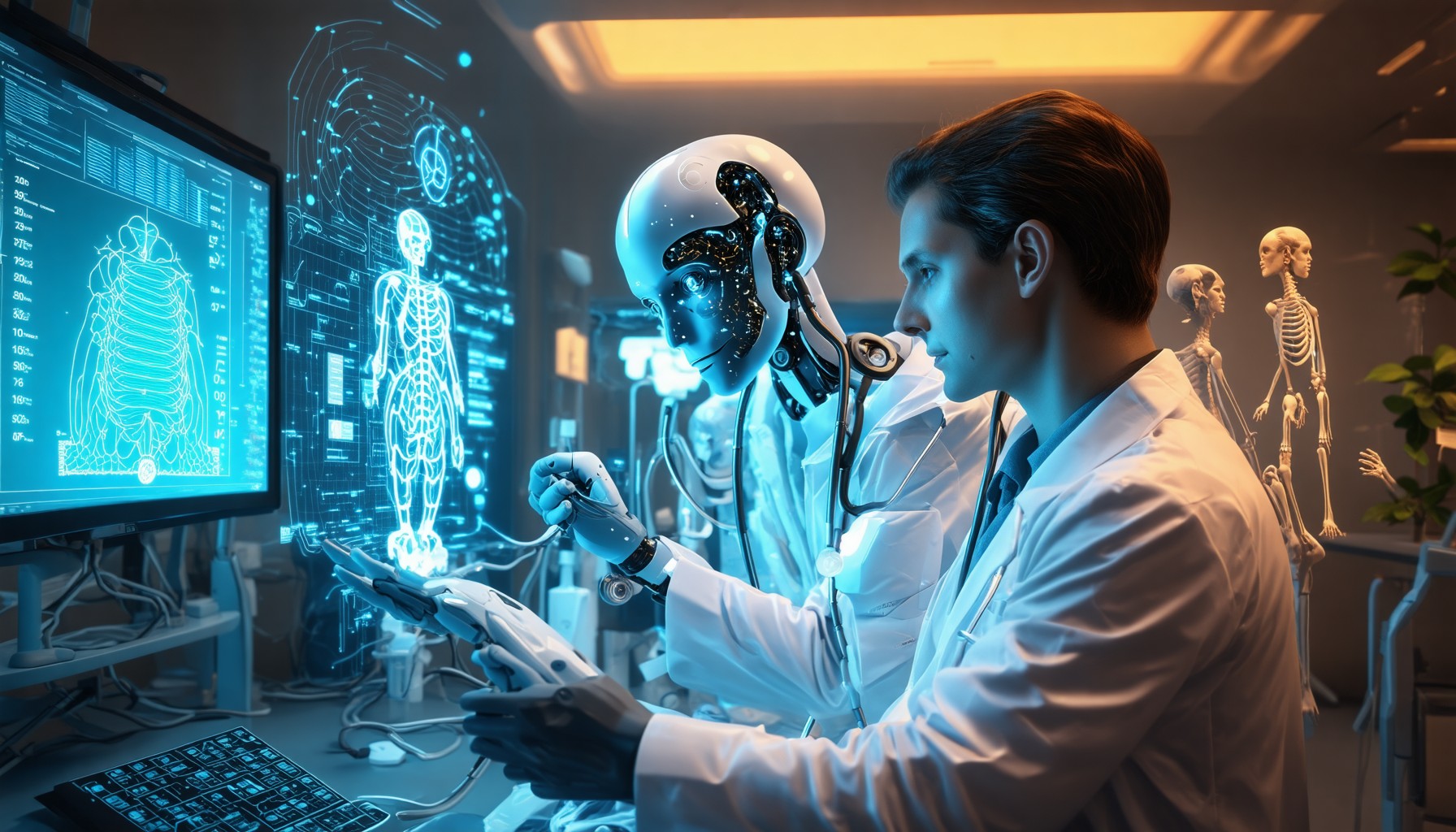
As we stand on the brink of a technological revolution, the question looms large: will artificial intelligence replace doctors? This article delves into the intricate relationship between AI and the medical profession, exploring how AI is transforming patient care and the impact of AI on medical diagnosis. We will navigate through the evolution of AI in medicine, examining its historical context and the current technologies shaping medical practice today. While the potential for AI to enhance healthcare is undeniable, we will also address the limitations of AI and the ethical considerations that come into play. Furthermore, we will identify which medical careers remain safe from the encroachment of AI, emphasizing the human element in patient care and the roles that require empathy and judgment. Join us as we unpack these critical questions, including whether AI will replace doctors and what skills will remain relevant in the future of medicine. Get ready to explore the future of healthcare and the enduring value of the medical profession in an AI-driven world.
Understanding the Role of AI in Healthcare
The question of whether medical doctors will be replaced by AI is a complex one that requires a nuanced understanding of both the capabilities of artificial intelligence and the essential roles that physicians play in healthcare. Current advancements in AI technology are designed to assist rather than replace medical professionals. AI can analyze vast amounts of data quickly, providing insights that can enhance diagnostic accuracy and treatment plans. For instance, AI algorithms can identify patterns in medical imaging that may be missed by the human eye, thereby improving early detection of conditions like cancer.
The Impact of AI on Medical Diagnosis
AI is revolutionizing medical diagnosis by providing tools that enhance the accuracy and speed of identifying diseases. By leveraging machine learning algorithms, AI systems can process and analyze medical data, including imaging and genetic information, to assist doctors in making informed decisions. This collaboration between AI and healthcare professionals is crucial, as it allows for a more comprehensive understanding of patient conditions.
Moreover, AI can streamline administrative tasks, allowing doctors to focus more on patient care. By automating scheduling, billing, and even preliminary patient assessments, AI can reduce the burden on healthcare providers, leading to more time spent with patients and improved outcomes. The future of healthcare lies in collaboration, where AI systems provide recommendations based on data analysis, but the final decisions must be made by qualified healthcare professionals who understand the nuances of individual patient needs.
How AI is Transforming Patient Care
AI’s role in transforming patient care is evident in various applications, from predictive analytics to personalized treatment plans. For instance, AI can analyze patient data to predict potential health risks, enabling proactive interventions. This not only enhances patient outcomes but also optimizes resource allocation within healthcare systems.
Training and adaptation are essential as medical education evolves to incorporate AI training, ensuring that future doctors are equipped to work alongside these technologies. This integration will help physicians leverage AI tools effectively, enhancing their diagnostic and treatment capabilities. However, the use of AI in healthcare raises important ethical questions, including data privacy, consent, and the potential for bias in AI algorithms. It is crucial for medical professionals to remain at the forefront of these discussions to ensure that AI is used responsibly and equitably.
Understanding the Role of AI in Healthcare
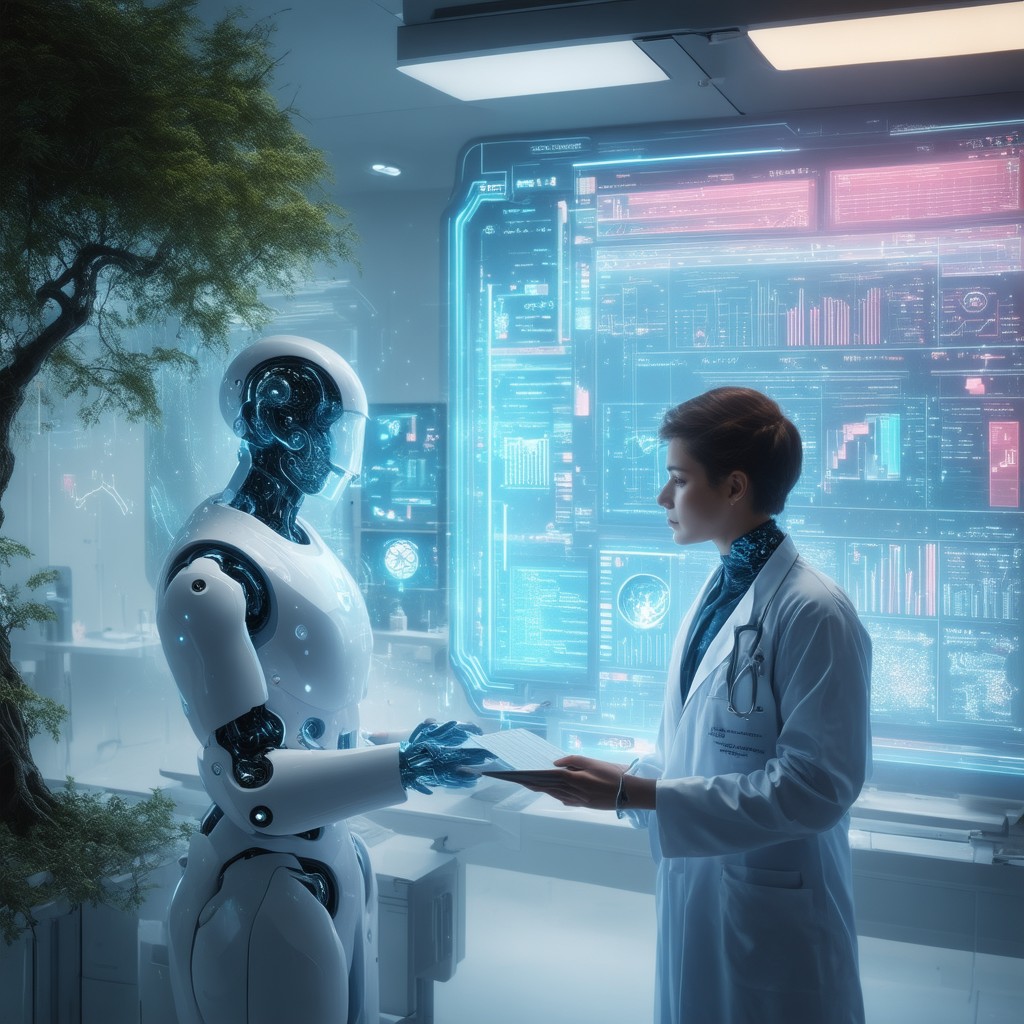
The question of whether doctors will ever be replaced by AI is complex and multifaceted. While advancements in artificial intelligence are transforming healthcare, it is essential to understand that AI is not poised to replace doctors but rather to enhance their capabilities.
The Impact of AI on Medical Diagnosis
AI as a Tool for Augmentation: AI technologies, such as machine learning and natural language processing, are being integrated into medical practices to assist doctors in diagnosing diseases, predicting patient outcomes, and personalizing treatment plans. For instance, AI algorithms can analyze medical imaging with a level of precision that rivals human experts, as demonstrated in studies published in journals like Nature and The Lancet.
Improving Efficiency and Accuracy: AI can streamline administrative tasks, allowing healthcare professionals to focus more on patient care. By automating routine processes such as scheduling and billing, AI can reduce the burden on healthcare systems. According to a report by McKinsey & Company, AI could potentially save the healthcare industry up to $150 billion annually by 2026 through improved efficiencies.
How AI is Transforming Patient Care
Enhanced Decision-Making: AI systems can analyze vast amounts of data from electronic health records (EHRs) to provide evidence-based recommendations. This capability supports doctors in making informed decisions, ultimately leading to better patient outcomes. Research from the Journal of the American Medical Association (JAMA) highlights how AI-assisted diagnostics can improve accuracy in identifying conditions like cancer and cardiovascular diseases.
Patient Engagement and Monitoring: AI-powered applications are enhancing patient engagement through personalized health management tools. These tools can monitor patient health in real-time, providing alerts for potential health issues before they become critical. A study in Health Affairs indicates that such technologies can lead to improved adherence to treatment plans and better overall health outcomes.
Understanding the Role of AI in Healthcare
The integration of artificial intelligence (AI) into healthcare is reshaping the landscape of medical practice. As we explore whether AI will replace doctors, it’s essential to understand how AI enhances medical diagnosis and transforms patient care. The question isn’t just about replacement; it’s about collaboration and improvement.
The Impact of AI on Medical Diagnosis
AI’s role in medical diagnosis is profound and multifaceted. With advanced algorithms capable of analyzing vast datasets, AI can identify patterns and anomalies that may elude human practitioners. For instance, AI systems have demonstrated remarkable accuracy in interpreting medical images, such as X-rays and MRIs. Studies indicate that AI can outperform human radiologists in detecting conditions like lung cancer, showcasing its potential to enhance diagnostic precision.
Moreover, AI diagnostic systems are evolving to assist in real-time decision-making. By integrating data from electronic health records and patient histories, these systems can provide clinicians with actionable insights, ultimately leading to quicker and more accurate diagnoses. This capability raises the question: will diagnosis systems based on artificial intelligence replace doctors in the future? While AI can significantly augment diagnostic processes, the nuanced understanding and clinical judgment of human doctors remain irreplaceable.
How AI is Transforming Patient Care
AI is not just about diagnosis; it’s also revolutionizing patient care. From virtual health assistants to predictive analytics, AI technologies are enhancing the patient experience. For example, AI-driven chatbots can provide immediate responses to patient inquiries, improving access to information and reducing wait times for consultations. This level of engagement fosters a more responsive healthcare environment.
Additionally, AI is instrumental in personalizing treatment plans. By analyzing individual patient data, AI can recommend tailored therapies that align with a patient’s unique genetic makeup and lifestyle. This approach, known as precision medicine, exemplifies how AI can complement the expertise of healthcare providers, ensuring that patients receive the most effective treatments.
In conclusion, while the debate continues on whether AI will replace doctors, it’s clear that AI is set to play a pivotal role in enhancing medical diagnosis and transforming patient care. The future of healthcare will likely involve a synergistic relationship between AI technologies and human physicians, leading to improved outcomes and a more efficient healthcare system.
Understanding the Role of AI in Healthcare
Artificial intelligence is making significant strides in healthcare, prompting the question: will AI replace doctors? While AI technologies are evolving rapidly, their role is more about enhancement than replacement. AI systems are designed to assist medical professionals in making informed decisions, improving efficiency, and enhancing patient outcomes. However, the essence of medical practice—human interaction, empathy, and complex decision-making—remains irreplaceable.
The Impact of AI on Medical Diagnosis
AI’s integration into medical diagnosis is transforming how healthcare professionals approach patient care. Advanced algorithms can analyze vast amounts of data, identifying patterns that may elude human practitioners. For instance, AI-driven diagnostic systems can process medical images with remarkable accuracy, assisting radiologists in detecting anomalies such as tumors or fractures. According to a study by the National Institutes of Health, AI systems have shown promise in improving diagnostic accuracy, particularly in fields like radiology and pathology.
However, the question remains: will diagnosis systems based on artificial intelligence replace doctors in the future? The consensus is that while AI can enhance diagnostic capabilities, it cannot fully replicate the nuanced understanding that a physician brings to patient care. The human element—considering a patient’s history, emotional state, and personal circumstances—plays a crucial role in effective diagnosis and treatment.
How AI is Transforming Patient Care
AI is not just about diagnosis; it’s also revolutionizing patient care. From virtual health assistants to predictive analytics, AI technologies are streamlining processes and improving patient experiences. For example, AI chatbots can provide immediate responses to patient inquiries, triaging symptoms and directing them to appropriate care. This not only enhances accessibility but also allows healthcare providers to focus on more complex cases.
Moreover, AI’s ability to analyze patient data can lead to personalized treatment plans, optimizing outcomes based on individual needs. However, can AI replace doctors? The answer is nuanced. While AI can support healthcare professionals by providing data-driven insights, the empathetic care and ethical considerations that doctors provide are irreplaceable. The American Medical Association emphasizes that the doctor-patient relationship is foundational to effective healthcare, highlighting the importance of human interaction in fostering trust and understanding.
In summary, while artificial intelligence is reshaping the healthcare landscape, it is unlikely to replace doctors entirely. Instead, AI serves as a powerful tool that enhances the capabilities of medical professionals, allowing them to deliver better care while maintaining the essential human touch that defines the practice of medicine.
Will doctors ever be replaced by AI?
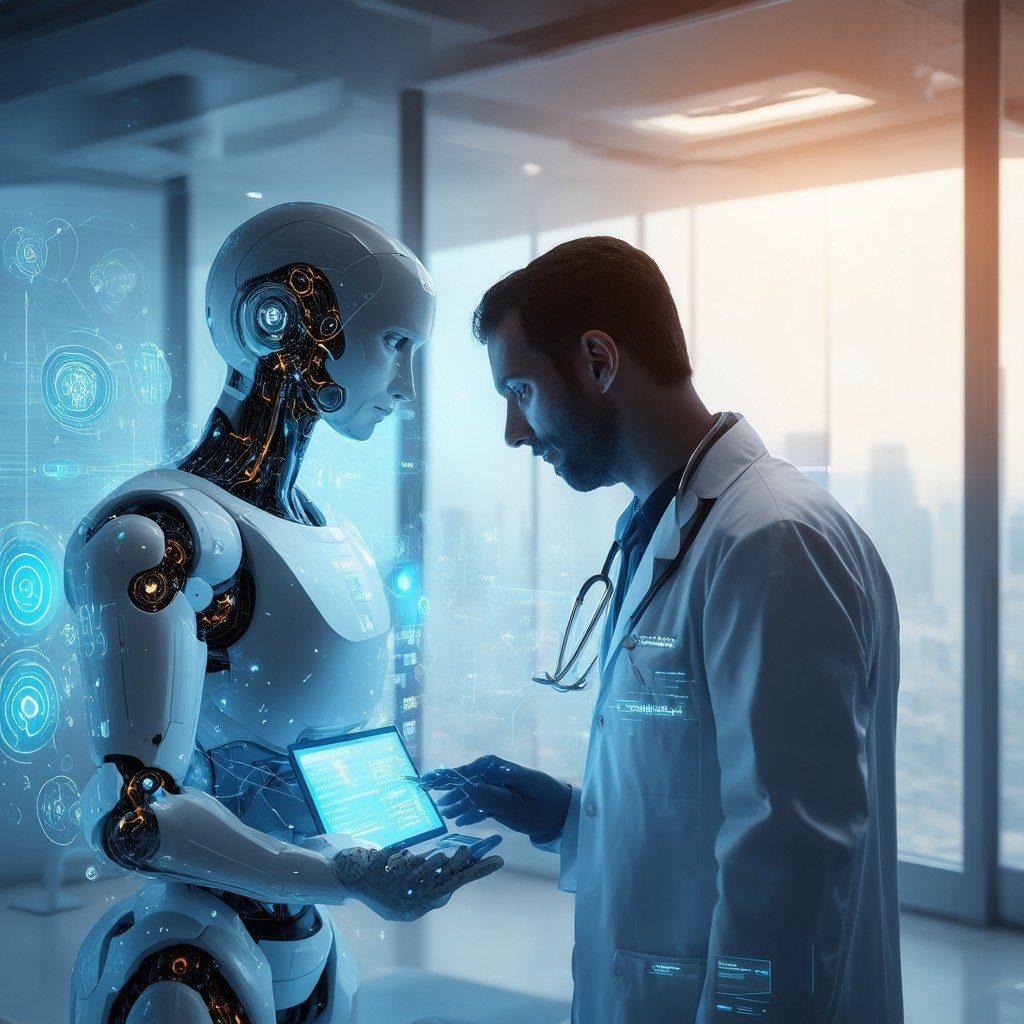
The question of whether artificial intelligence will replace doctors is a complex one, steeped in both technological advancements and the intrinsic human elements of healthcare. As we explore this topic, it’s essential to understand the evolution of AI in medicine and the current technologies that are shaping its role in healthcare.
The Evolution of AI in Medicine
Historically, the journey of AI in healthcare has been marked by significant milestones. From early rule-based systems to today’s sophisticated machine learning algorithms, AI has steadily progressed. Initially, AI applications were limited to simple tasks, such as data entry and basic diagnostic support. However, as computational power has increased and data availability has expanded, AI’s capabilities have grown exponentially.
Today, AI technologies are being integrated into various medical practices, enhancing diagnostic accuracy and streamlining patient care. For instance, AI-driven diagnostic systems are now capable of analyzing medical images with remarkable precision, often outperforming human radiologists in detecting conditions like breast cancer. This evolution raises the question: will diagnosis systems based on artificial intelligence replace doctors in the future? While AI can significantly aid in diagnosis, the nuanced understanding and empathy that human doctors provide remain irreplaceable.
Current AI Technologies in Medical Practice
Currently, several AI technologies are making waves in medical practice. Machine learning algorithms, natural language processing, and predictive analytics are just a few examples. These tools assist healthcare professionals in making informed decisions, improving patient outcomes, and reducing administrative burdens.
For instance, AI applications in medicine, such as IBM Watson Health, are designed to analyze vast datasets, providing insights that can guide treatment plans. Moreover, AI-driven chatbots are enhancing patient engagement by offering immediate responses to inquiries, thus improving the overall patient experience. However, despite these advancements, the question remains: can AI replace doctors? While AI can enhance efficiency and accuracy, it cannot replicate the human touch essential for effective patient care.
Identifying Safe Medical Careers
The Human Element in Patient Care
In the evolving landscape of healthcare, certain medical careers are less likely to be replaced by artificial intelligence due to their inherent reliance on human empathy and interpersonal skills. For instance, **nurses** play a critical role in patient care, requiring emotional intelligence and the ability to respond to nuanced patient needs. According to a study published in the Journal of Nursing Scholarship, the human touch in nursing is irreplaceable, as it fosters trust and comfort in patients (McCabe, 2020). Similarly, **doctors** are essential in making complex decisions based on a patient’s unique circumstances, a process that AI cannot fully replicate. The American Medical Association emphasizes that the physician-patient relationship is fundamental to effective healthcare (AMA, 2021).
Other roles, such as **therapists and counselors**, rely heavily on human interaction and understanding. Research from the American Psychological Association indicates that therapeutic relationships are crucial for successful outcomes, which AI cannot replicate (APA, 2022). Additionally, **physical and occupational therapists** require hands-on patient interaction and personalized treatment plans that adapt to individual progress, highlighting the importance of human oversight in therapy practices (BLS, 2023). Lastly, **pharmacists** provide essential counseling and medication therapy management that necessitates human judgment and patient interaction, as noted by the National Association of Boards of Pharmacy (NABP, 2023).
Roles That Require Empathy and Judgment
As we consider the future of healthcare, it’s clear that jobs demanding emotional intelligence, complex decision-making, and direct patient interaction are less likely to be replaced by AI. The roles of **nurses**, **doctors**, **therapists**, **physical and occupational therapists**, and **pharmacists** exemplify this trend. These professions not only require technical knowledge but also the ability to connect with patients on a personal level, ensuring that human oversight remains a vital component of medical care. As AI continues to advance, understanding these dynamics will be crucial for professionals navigating their careers in the medical field. For more insights on how AI is transforming healthcare, explore the role of AI agents in healthcare and their applications in diagnostics.
Will doctors ever be replaced by AI?
The question of whether doctors will be replaced by artificial intelligence is complex and multifaceted. While AI technologies are advancing rapidly, they are designed to complement rather than completely replace human medical professionals. The integration of AI into healthcare aims to enhance diagnostic accuracy, streamline administrative tasks, and improve patient outcomes, but the human touch remains irreplaceable in many aspects of medical practice.
The Evolution of AI in Medicine
Understanding the evolution of AI in medicine provides insight into its current capabilities and limitations. Historically, AI’s journey in healthcare began with simple algorithms designed to assist in data analysis. Over the years, advancements in machine learning and deep learning have enabled AI systems to analyze vast amounts of medical data, leading to improved diagnostic systems. For instance, AI applications in medicine now include predictive analytics for patient outcomes and automated imaging analysis, which can significantly enhance the diagnostic process.
Historical Context: AI’s Journey in Healthcare
AI’s journey in healthcare can be traced back to the 1960s, when early systems like MYCIN were developed to diagnose bacterial infections. These systems laid the groundwork for today’s sophisticated AI technologies. As computing power increased and data availability expanded, AI began to play a more significant role in medical diagnostics and treatment planning. Today, organizations like IBM Watson Health are at the forefront, utilizing AI to analyze patient data and provide actionable insights for healthcare providers.
Current AI Technologies in Medical Practice
Today, AI technologies in medical practice include advanced diagnostic systems that leverage machine learning algorithms to interpret medical images, such as X-rays and MRIs. These systems can identify patterns that may be missed by human eyes, leading to earlier and more accurate diagnoses. Additionally, AI-driven tools are being used for personalized medicine, where treatment plans are tailored to individual patient profiles based on genetic and lifestyle data. This shift towards precision medicine highlights how AI can enhance, rather than replace, the role of doctors in patient care.
The Limitations of AI in Medicine
Despite the advancements in AI, there are significant limitations that prevent it from fully replacing doctors. AI lacks the ability to understand the nuances of human emotions, ethical considerations, and the complex social dynamics involved in patient care. While AI can assist in diagnosis and treatment recommendations, it cannot replicate the empathetic communication and judgment that human doctors provide.
Why Can’t AI Replace Doctors?
AI cannot replace doctors primarily due to its inability to engage in empathetic patient interactions. The doctor-patient relationship is built on trust and understanding, which are essential for effective treatment. Furthermore, AI systems are only as good as the data they are trained on; biases in data can lead to incorrect conclusions. This highlights the importance of human oversight in medical decision-making.
Ethical Considerations in AI-Driven Healthcare
Ethical considerations also play a crucial role in the discussion about AI in healthcare. Issues such as data privacy, accountability for AI-driven decisions, and the potential for bias in AI algorithms must be addressed. Organizations like the World Health Organization emphasize the need for ethical guidelines to govern the use of AI in healthcare, ensuring that technology serves to enhance patient care rather than undermine it.