

Table of Contents
Key Takeaways
- AI is transforming the job market, potentially displacing up to 800 million jobs by 2030, but also creating new roles, especially in technology and digital marketing.
- Human skills like emotional intelligence, creativity, and adaptability are irreplaceable, making roles in healthcare, education, and creative professions resistant to AI automation.
- Continuous reskilling and upskilling are essential for workers to thrive in an AI-driven environment, as new job categories emerge alongside automation.
- Collaboration between humans and AI can enhance productivity, with AI handling mundane tasks while humans focus on complex problem-solving and interpersonal interactions.
- Engaging in proactive discussions about AI’s impact on employment will help shape future workforce strategies and educational initiatives, ensuring a balanced approach to technological advancements.
As we stand on the brink of a technological revolution, the question looms large: will artificial intelligence take away jobs? This article delves into the group discussion on AI’s impact on employment, exploring the multifaceted dynamics of the AI job market. We will examine the arguments for and against the notion that artificial intelligence will take away jobs, highlighting the essential human skills that remain irreplaceable in the workforce. Additionally, we will address common concerns about job security in an AI-driven world, offering personal experiences and perspectives that illuminate the ongoing debate. Our exploration will also cover the advantages and disadvantages of AI integration across various industries, while considering the ethical implications of these advancements. Ultimately, we aim to answer the pressing question: is AI destroying or creating jobs? Join us as we navigate the future of work, identifying roles that AI cannot replace and discussing strategies for adapting to this evolving landscape. Get ready to engage in a thought-provoking conversation that will shape our understanding of the future job market.
Understanding the AI Job Market Dynamics
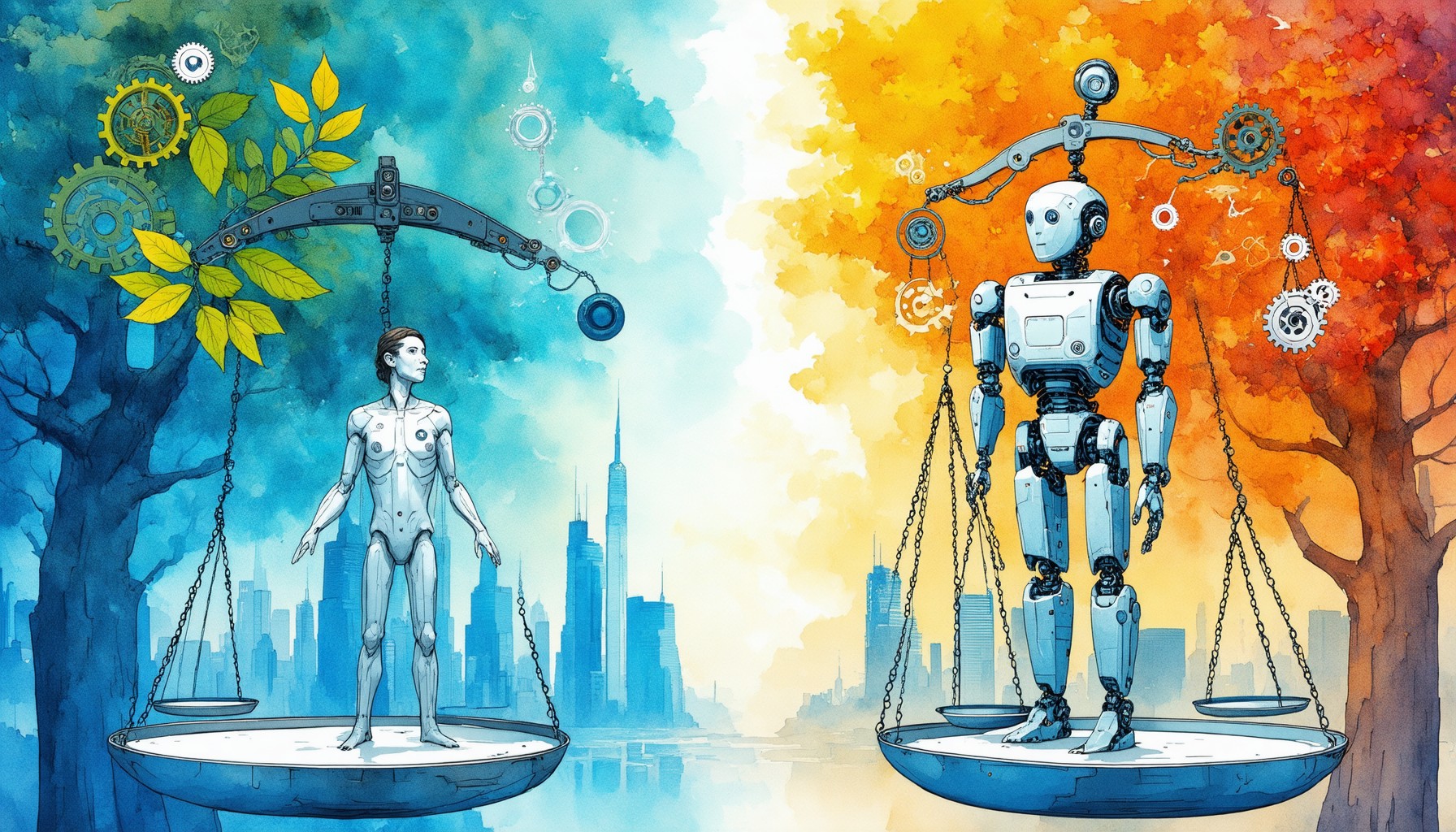
The debate surrounding whether artificial intelligence will take away jobs is gaining momentum as technology evolves. This discussion is not just theoretical; it has real implications for the workforce. As we delve into the dynamics of the AI job market, it’s essential to consider both the potential for job displacement and the opportunities for job creation.
Counterarguments to AI Job Replacement
The debate on whether AI will take over jobs or create new opportunities is increasingly relevant as advancements in technology accelerate. Experts in the field are divided, with some predicting significant job displacement while others emphasize the potential for AI to generate new roles and enhance existing jobs.
1. **Job Displacement Concerns**: Many analysts warn that AI could automate tasks traditionally performed by humans, particularly in sectors like manufacturing, customer service, and data entry. A report by McKinsey Global Institute suggests that up to 800 million jobs could be displaced by automation by 2030, highlighting the urgency of addressing workforce transitions.
2. **Creation of New Roles**: Conversely, proponents argue that AI will lead to the creation of new job categories that we cannot yet envision. For instance, roles in AI ethics, machine learning maintenance, and data analysis are emerging as critical areas of employment. The World Economic Forum’s Future of Jobs Report indicates that while 85 million jobs may be displaced, 97 million new roles could emerge by 2025, particularly in technology and digital marketing sectors.
3. **Skills Development**: To navigate this transition, reskilling and upskilling are essential. Workers will need to adapt to new technologies and acquire skills relevant to AI and digital marketing. Educational institutions and companies are increasingly focusing on training programs that emphasize digital literacy and technical skills.
4. **Industry Perspectives**: Leaders from various industries, including tech giants like Google and Microsoft, have voiced their opinions. Sundar Pichai, CEO of Google, has stated that AI will augment human capabilities rather than replace them, suggesting a collaborative future where AI tools enhance productivity.
5. **Conclusion**: The future of work in the age of AI is complex and multifaceted. While there are valid concerns about job displacement, the potential for new job creation and the enhancement of existing roles presents a more optimistic outlook. Continuous dialogue among industry leaders, policymakers, and educators is crucial to ensure a balanced approach to workforce development in the face of rapid technological change.
The Importance of Human Skills in the Workforce
As AI technology continues to advance, the importance of human skills in the workforce cannot be overstated. While AI can automate many tasks, there are specific areas where human capabilities remain irreplaceable.
1. **Emotional Intelligence**: Skills such as empathy, communication, and interpersonal relations are vital in roles that require human interaction. Professions in healthcare, education, and customer service rely heavily on these human-centric skills, which AI cannot replicate.
2. **Creative Problem Solving**: The ability to think critically and creatively is essential in many fields, including marketing and design. AI can assist in generating ideas, but the nuanced understanding of human needs and cultural contexts is something that only humans can provide.
3. **Adaptability and Learning**: The workforce must be adaptable to changes brought about by AI. Workers who can learn new skills and pivot in response to technological advancements will be invaluable. This adaptability is crucial in industries that are rapidly evolving due to AI integration.
4. **Collaboration**: The future workplace will likely involve collaboration between humans and AI. Understanding how to work alongside AI tools will be essential for maximizing productivity and innovation.
5. **Conclusion**: While AI will undoubtedly change the landscape of employment, the unique skills that humans bring to the table will remain essential. Emphasizing the development of these skills will be crucial for individuals and organizations navigating the future job market.
Understanding the AI Job Market Dynamics
The debate surrounding whether artificial intelligence will take away jobs is multifaceted, with various perspectives contributing to the ongoing discussion. As we delve into the dynamics of the AI job market, it’s crucial to recognize the potential job displacement that could arise from automation. According to a report by McKinsey, up to 800 million jobs could be lost globally by 2030 due to automation and AI technologies. This staggering figure raises significant concerns about unemployment rates and the economic impact on workers who may struggle to find new roles in an increasingly automated environment.
Moreover, the lack of human touch in AI-driven processes cannot be overlooked. AI systems lack the emotional intelligence and empathy that human workers provide, which is essential in fields such as healthcare, education, and customer service. A study published in the Journal of Business Research highlights that customers prefer human interaction for complex problem-solving, which AI cannot replicate. This preference underscores the importance of human skills in the workforce, suggesting that while AI may enhance efficiency, it cannot replace the nuanced understanding that human employees bring to their roles.
Counterarguments to AI Job Replacement
While concerns about job displacement are valid, there are compelling counterarguments that suggest AI may not entirely replace human jobs. One significant point is the ethical and privacy concerns associated with AI deployment. The use of AI in monitoring employee performance can lead to invasive practices that infringe on personal privacy. The European Union’s General Data Protection Regulation (GDPR) emphasizes the importance of protecting individual data rights, which AI systems may compromise if not properly managed.
Additionally, dependency on technology poses a risk. As organizations increasingly rely on AI for decision-making, there is a growing concern about a decline in critical thinking and problem-solving skills among employees. A report from the World Economic Forum warns that over-dependence on AI could hinder innovation and creativity in the workplace. This highlights the need for a balanced approach where AI complements human capabilities rather than completely replacing them.
The Importance of Human Skills in the Workforce
In the context of AI’s impact on jobs, the skills gap and training needs are critical considerations. The rapid advancement of AI technologies creates a skills gap, as many workers may not possess the necessary skills to work alongside AI systems. According to the World Economic Forum, 54% of all employees will require significant reskilling by 2022. Companies must invest in training programs to equip their workforce with the skills needed to thrive in an AI-driven environment, which can be a costly and time-consuming process.
Ultimately, while the fear that artificial intelligence will take away jobs is prevalent, it is essential to recognize the unique contributions of human workers. The integration of AI into the workforce should focus on enhancing human capabilities rather than replacing them, fostering a collaborative environment where both AI and human skills can coexist and thrive.
Understanding the AI Job Market Dynamics
The debate surrounding whether artificial intelligence will take away jobs is multifaceted and deeply rooted in the evolving landscape of employment. As we explore this topic, it’s essential to recognize that while AI may automate certain tasks, it also opens doors to new job opportunities. According to a report by McKinsey & Company, it is estimated that by 2030, between 400 to 800 million workers worldwide may need to transition to new occupations due to the impact of artificial intelligence and automation. This translates to approximately 30% of the global workforce potentially facing job displacement.
However, the narrative isn’t solely about job loss. The integration of AI in various sectors, including digital marketing and web design, is transforming roles rather than eliminating them. For instance, professionals can leverage AI tools for data analysis and customer insights, enhancing their marketing strategies and overall efficiency. This shift highlights the importance of adaptability in the workforce, as those who embrace AI can thrive in an evolving job market.
Counterarguments to AI Job Replacement
While concerns about AI taking jobs are valid, several counterarguments emphasize the positive aspects of AI integration. First, AI can handle repetitive and mundane tasks, allowing human workers to focus on more complex and creative responsibilities. This shift can lead to increased job satisfaction and productivity. Additionally, as AI technologies advance, new roles are emerging that require human oversight, creativity, and emotional intelligence—qualities that AI cannot replicate.
Moreover, the World Economic Forum’s Future of Jobs Report indicates that while some roles may diminish, others will emerge, particularly in technology, healthcare, and green energy sectors. This evolution necessitates a workforce that is willing to upskill and reskill, ensuring that employees remain relevant in their fields. Emphasizing continuous learning and adaptability will be key in navigating the future job market influenced by AI.
The Importance of Human Skills in the Workforce
In the age of AI, human skills are more critical than ever. While AI can analyze data and automate processes, it lacks the emotional intelligence and interpersonal skills that are vital in many professions. Roles that require empathy, creativity, and critical thinking are less likely to be replaced by AI. For instance, jobs in healthcare, education, and creative industries rely heavily on human interaction and understanding.
Furthermore, as AI continues to evolve, the demand for professionals who can work alongside AI technologies will grow. This includes roles that involve managing AI systems, interpreting AI-generated data, and ensuring ethical considerations in AI deployment. By focusing on developing these human-centric skills, workers can position themselves advantageously in a job market increasingly influenced by artificial intelligence.
For more insights on how AI is reshaping the workforce, explore our article on [Understanding AI’s Impact on Jobs](https://digitalmarketingwebdesign.com/understanding-artificial-agency-what-you-need-to-know-about-ai-agents-and-their-impact-on-government-and-jobs/).
What are the advantages and disadvantages of AI for group discussion?
Benefits of AI Integration in Various Industries
AI’s integration into group discussions brings a plethora of advantages that can significantly enhance collaboration and productivity. Here are some key benefits:
1. **Enhanced Collaboration**: AI tools facilitate real-time collaboration among group members, allowing for seamless communication and idea sharing. Platforms like Microsoft Teams and Slack utilize AI to streamline discussions and improve engagement.
2. **Data Analysis**: AI can analyze large volumes of data quickly, providing insights that inform group discussions. This capability allows teams to make data-driven decisions, enhancing the quality of discussions.
3. **Personalization**: AI tailors content and suggestions based on individual preferences and past interactions, making discussions more relevant and engaging for participants.
4. **Time Efficiency**: AI automates routine tasks, such as scheduling meetings or summarizing discussions, freeing up time for group members to focus on more critical aspects of the conversation.
5. **Accessibility**: AI-powered tools provide real-time translation and transcription services, making discussions more inclusive for participants who speak different languages or have hearing impairments.
Potential Drawbacks and Ethical Considerations
While the advantages of AI in group discussions are compelling, there are also notable disadvantages and ethical considerations to address:
1. **Over-reliance on Technology**: Dependence on AI tools may lead to reduced critical thinking and problem-solving skills among group members, as they may rely too heavily on AI-generated insights.
2. **Privacy Concerns**: The use of AI in discussions raises privacy issues, as sensitive information may be processed and stored by AI systems, potentially leading to data breaches.
3. **Misinterpretation of Context**: AI may struggle to understand nuances and context in human communication, leading to misunderstandings or misinterpretations during discussions.
4. **Cost**: Implementing advanced AI tools can be expensive, which may be a barrier for smaller organizations or groups with limited budgets.
5. **Job Displacement**: The integration of AI in group discussions raises concerns about job displacement, as some roles traditionally held by humans may become automated.
In conclusion, while AI offers numerous advantages for enhancing group discussions, such as improved collaboration and data analysis, it also presents challenges like privacy concerns and potential over-reliance on technology. Organizations should weigh these factors carefully when integrating AI into their discussion processes. For further insights, consider exploring resources from the [Harvard Business Review](https://hbr.org/) and [McKinsey & Company](https://www.mckinsey.com/), which provide in-depth analyses of AI’s impact on teamwork and collaboration.
What jobs can AI not replace?
As the debate around whether artificial intelligence will take away jobs intensifies, it’s crucial to identify roles that remain resilient against automation. While AI excels in processing data and performing repetitive tasks, certain jobs require uniquely human skills that are difficult for machines to replicate. Here are some key roles that AI cannot easily replace:
- Creative Professions: Jobs in fields such as art, writing, and design rely heavily on creativity and emotional expression. While AI can assist in generating ideas or even creating art, the nuanced understanding of human experience and cultural context remains a distinctly human trait.
- Healthcare Professionals: Roles such as doctors, nurses, and therapists require empathy, critical thinking, and complex decision-making. AI can support these professionals by providing data and insights, but the human touch in patient care is irreplaceable.
- Skilled Trades: Professions like electricians, plumbers, and carpenters involve hands-on skills and problem-solving in unpredictable environments. The adaptability and physical dexterity required in these jobs make them less susceptible to automation.
- Leadership and Management Roles: Effective leadership requires emotional intelligence, strategic thinking, and the ability to inspire and motivate teams. AI can provide data-driven insights, but the human element in leadership is essential for fostering a positive workplace culture.
Understanding these resilient roles is vital for discussions around the impact of AI on jobs. As we navigate the evolving job market, it’s clear that while AI will transform many industries, it will not eliminate the need for human skills and creativity.
Identifying Roles Resistant to AI Automation
To further explore which jobs are resistant to AI automation, we can look at specific characteristics that make certain roles less vulnerable:
- Interpersonal Skills: Jobs that require strong interpersonal skills, such as social workers and teachers, depend on human connection and understanding. AI lacks the ability to form genuine relationships, making these roles secure.
- Complex Problem Solving: Professions that involve complex problem-solving, such as scientists and engineers, often require innovative thinking and adaptability. AI can assist in analysis but cannot replace the human ability to think outside the box.
- Ethical Decision-Making: Roles that involve ethical considerations, such as lawyers and ethicists, require a deep understanding of human values and societal norms. AI lacks the moral reasoning necessary for these professions.
As we engage in discussions about AI’s role in employment, it’s essential to recognize that while AI will change the landscape of work, many jobs will continue to thrive due to their inherently human qualities. This understanding can guide future workforce strategies and educational initiatives, ensuring that we prepare for an AI-enhanced future without losing sight of the value of human skills.
What jobs can AI not replace?
As we delve into the ongoing debate about whether artificial intelligence will take away jobs, it’s crucial to identify roles that remain resilient against AI automation. While AI continues to advance and automate various tasks, several jobs cannot be fully replaced due to the need for human creativity, emotional intelligence, and complex decision-making. Here are some key roles that stand firm against AI replacement:
- Creative Professions: Jobs in fields such as art, music, writing, and design require a level of creativity and emotional depth that AI struggles to replicate. For instance, while AI can generate content, it lacks the ability to infuse personal experiences and cultural nuances that resonate with human audiences. According to a study by the University of California, Berkeley, human creativity is deeply tied to emotional intelligence, which AI cannot fully emulate.
- Healthcare Professionals: Roles such as doctors, nurses, and therapists involve not only technical skills but also empathy and human interaction. AI can assist in diagnostics and data analysis, but the nuanced understanding of patient care and the ability to provide emotional support are irreplaceable. The World Health Organization emphasizes the importance of human touch in healthcare, which AI cannot provide.
- Education and Training: Teachers and educators play a crucial role in shaping minds and fostering critical thinking. While AI can offer personalized learning experiences, the mentorship and social interaction provided by human educators are essential for holistic development. Research from Stanford University highlights the importance of social learning environments in education.
- Skilled Trades: Professions such as electricians, plumbers, and carpenters require hands-on skills and problem-solving abilities in unpredictable environments. These jobs often involve complex physical tasks that AI and robots are not yet capable of performing effectively. The Bureau of Labor Statistics notes a growing demand for skilled trades as technology evolves.
- Digital Marketing and Web Design: While AI tools can assist in data analysis and automation, the strategic thinking and creative input required in digital marketing and web design are still best executed by humans. Crafting compelling narratives and understanding consumer behavior necessitate a human touch that AI lacks. A report by HubSpot indicates that successful digital marketing campaigns rely heavily on human creativity and insight.
In conclusion, while AI can enhance productivity and efficiency in many sectors, jobs that require creativity, emotional intelligence, complex decision-making, and hands-on skills remain largely irreplaceable. As AI technology evolves, the collaboration between humans and AI will likely define the future of work, emphasizing the unique strengths that humans bring to various professions.
Identifying Roles Resistant to AI Automation
Understanding which jobs are resistant to AI automation is essential for navigating the future job market. The following roles exemplify this resistance:
- Social Workers: These professionals require empathy and interpersonal skills to support individuals in crisis, making them irreplaceable by AI.
- Research Scientists: While AI can assist in data analysis, the creative and critical thinking involved in formulating hypotheses and conducting experiments remains a human domain.
- Human Resources Managers: The nuanced understanding of team dynamics and employee relations is a complex task that AI cannot fully replicate.
As we engage in discussions about whether artificial intelligence will take away jobs, it’s vital to recognize the unique capabilities of human workers that AI cannot replace. This understanding will help shape our approach to the evolving job landscape.
What jobs can AI not replace?
Identifying Roles Resistant to AI Automation
As we navigate the evolving landscape of employment, it’s essential to recognize which jobs are less likely to be replaced by artificial intelligence. Roles that require complex human interaction, emotional intelligence, and creative problem-solving are generally resistant to AI automation. For instance, professions in healthcare, such as nurses and therapists, rely heavily on empathy and human connection, making them difficult for AI to replicate. Similarly, jobs in creative fields—like artists, writers, and designers—thrive on human intuition and originality, areas where AI still struggles to match human capabilities.
Additionally, positions that involve strategic decision-making, such as executives and managers, require a nuanced understanding of human behavior and organizational dynamics. These roles often necessitate a level of judgment and ethical consideration that AI cannot fully grasp. Therefore, while AI may assist in data analysis and routine tasks, the core responsibilities of these professions will likely remain in human hands.
The Future of Human-Centric Professions
Looking ahead, the future of work will likely see a shift towards more human-centric professions. As AI continues to automate routine tasks, there will be an increased demand for roles that emphasize interpersonal skills and creativity. For example, educators will play a crucial role in fostering critical thinking and emotional intelligence in students, skills that are essential in an AI-driven world.
Moreover, industries such as mental health, social work, and community services will see sustained demand for human professionals who can provide support and understanding that AI cannot. As we engage in discussions about whether artificial intelligence will take away jobs, it’s vital to consider how these human-centric roles will evolve and adapt alongside technological advancements. Emphasizing the importance of soft skills and emotional intelligence will be key in preparing for a future where AI complements rather than replaces human labor.
For further insights on how AI is reshaping various job sectors, explore our article on [Understanding AI’s Impact on Jobs](https://digitalmarketingwebdesign.com/understanding-artificial-agency-what-you-need-to-know-about-ai-agents-and-their-impact-on-government-and-jobs/).