

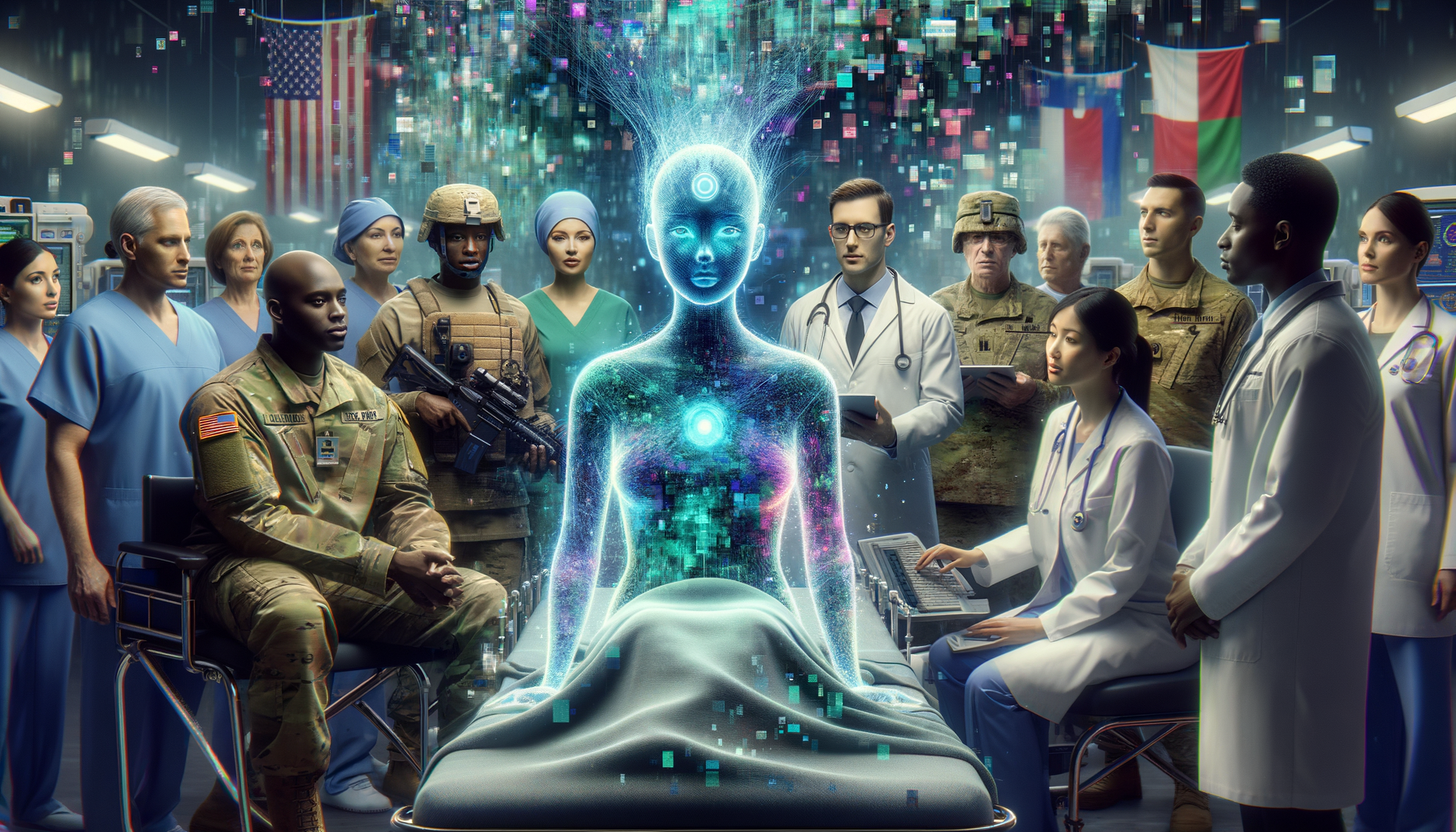
The healthcare landscape is undergoing a revolutionary transformation, driven by the integration of artificial intelligence (AI) medical assistants. From military applications to civilian healthcare settings, these advanced AI systems are reshaping the way medical professionals diagnose, treat, and care for patients. As the demand for efficient and accurate healthcare services continues to grow, AI medical assistants are emerging as powerful tools that complement human expertise, streamline workflows, and enhance patient outcomes. This article explores the rise of AI in healthcare, its diverse applications, and the potential impact on the future of medical practice, addressing concerns about job security while highlighting the exciting opportunities that lie ahead for both healthcare providers and patients alike.
Table of Contents
The Rise of AI in Healthcare
Artificial Intelligence (AI) has emerged as a transformative force in the healthcare industry, revolutionizing the way we approach medical care and treatment. At Digital Marketing Web Design, we’ve witnessed firsthand the impact of AI on various sectors, including healthcare. The integration of AI technologies in medicine has opened up new possibilities for improving patient care, streamlining processes, and enhancing diagnostic accuracy.
As AI continues to evolve, it’s crucial to understand its role in healthcare and how it’s shaping the future of medical practices. From advanced diagnostic tools to personalized treatment plans, AI is becoming an invaluable asset for healthcare professionals worldwide.
Can AI replace medical professionals?
While AI has made significant strides in healthcare since its introduction in the 1970s, it is unlikely to fully replace medical professionals. Instead, AI serves as a powerful tool to augment and enhance medical practice:
1. Diagnostic Support: AI algorithms can analyze medical images and data with high accuracy, assisting in early disease detection and reducing human error.
2. Treatment Planning: AI can process vast amounts of medical literature and patient data to suggest personalized treatment options.
3. Administrative Tasks: AI streamlines paperwork, appointment scheduling, and billing, allowing medical professionals to focus more on patient care.
4. Drug Discovery: AI accelerates the process of identifying potential new medications and predicting their efficacy.
5. Patient Monitoring: AI-powered devices can continuously track patient vital signs and alert medical staff to potential issues.
6. Surgical Assistance: AI-enhanced robotic systems improve precision in complex surgical procedures.
However, AI cannot replace the human elements crucial to healthcare:
1. Empathy and Emotional Support: The doctor-patient relationship is fundamental to healing and cannot be replicated by machines.
2. Complex Decision Making: Medical professionals integrate various factors, including ethical considerations and patient preferences, which AI cannot fully replicate.
3. Adaptability: Humans can quickly adjust to unexpected situations and think creatively, skills that AI currently lacks.
4. Holistic Understanding: Physicians consider a patient’s overall health, lifestyle, and social factors in ways that AI cannot comprehensively grasp.
5. Ethical Judgment: Medical professionals make critical ethical decisions that require human values and moral reasoning.
Recent studies, such as one published in The Lancet Digital Health (2019), demonstrate that while AI can match human experts in certain diagnostic tasks, it performs best when working alongside human professionals. The World Health Organization’s 2021 report on AI in healthcare emphasizes the importance of human oversight and the ethical use of AI technologies.
In conclusion, AI is revolutionizing healthcare by enhancing efficiency, accuracy, and patient outcomes. However, it complements rather than replaces the irreplaceable human touch and expertise of medical professionals.
Evolution of medical technology
The evolution of medical technology has been a remarkable journey, with AI playing an increasingly significant role in recent years. From the early days of computerized record-keeping to today’s sophisticated AI-driven diagnostic tools, we’ve seen a rapid transformation in how technology supports healthcare delivery.
In the 1950s and 60s, the introduction of electronic medical records marked the beginning of digital healthcare. As computing power increased, so did the capabilities of medical technology. The 1970s saw the emergence of early AI applications in medicine, primarily focused on decision support systems.
The 1980s and 90s brought about significant advancements in medical imaging technologies, such as MRI and CT scans. These innovations laid the groundwork for AI’s role in image analysis and interpretation. By the early 2000s, AI algorithms were being developed to assist in detecting abnormalities in medical images with increasing accuracy.
Today, AI in healthcare has expanded far beyond image analysis. We’re seeing AI applications in:
1. Predictive Analytics: AI models can forecast patient outcomes and identify high-risk individuals for preventive care.
2. Personalized Medicine: AI algorithms analyze genetic data to tailor treatments to individual patients.
3. Robot-Assisted Surgery: AI-powered surgical robots enhance precision and reduce invasiveness.
4. Virtual Health Assistants: AI chatbots provide basic health information and triage support.
5. Drug Discovery: AI accelerates the identification of potential new medications.
Companies like IBM Watson Health have been at the forefront of integrating AI into healthcare, developing systems that can process vast amounts of medical literature and patient data to assist in diagnosis and treatment planning.
The COVID-19 pandemic has further accelerated the adoption of AI in healthcare. AI tools have been crucial in tracking the spread of the virus, developing vaccines, and managing patient care through telemedicine platforms.
As we look to the future, the integration of AI with other emerging technologies like 5G, Internet of Things (IoT), and blockchain promises to create even more powerful tools for healthcare professionals. However, it’s important to note that while AI is revolutionizing healthcare, it’s not replacing the need for skilled medical professionals. Instead, it’s enhancing their capabilities and allowing them to provide better, more efficient care.
At Digital Marketing Web Design, we’re excited about the potential of AI in healthcare and are committed to helping healthcare providers leverage these technologies effectively. Whether it’s through content marketing strategies to educate patients about new AI-driven services or developing websites that integrate AI-powered features, we’re here to support the healthcare industry’s digital transformation.
AI Applications in Medicine
At Digital Marketing Web Design, we’ve witnessed the remarkable integration of AI into various aspects of healthcare. The applications of AI in medicine are vast and continually expanding, revolutionizing patient care, diagnosis, and treatment planning.
How is AI used in the medical field?
AI is transforming the medical field through diverse applications:
1. Disease Detection and Diagnosis:
– Machine learning algorithms analyze medical images (X-rays, MRIs, CT scans) to detect anomalies with high accuracy
– AI-powered tools assist in early cancer detection, improving survival rates
– Natural language processing analyzes patient records for early disease indicators
2. Personalized Treatment Plans:
– AI algorithms process patient data to recommend tailored treatment strategies
– Precision medicine utilizes genetic information to predict drug efficacy
3. Drug Discovery and Development:
– AI accelerates drug discovery by analyzing molecular structures and predicting potential therapeutic compounds
– Machine learning models simulate drug interactions, reducing time and costs in clinical trials
4. Robotic Surgery:
– AI-enhanced surgical robots improve precision and reduce invasiveness
– Virtual reality simulations powered by AI train surgeons and plan complex procedures
5. Administrative Efficiency:
– AI automates medical coding, billing, and appointment scheduling
– Chatbots provide 24/7 patient support and triage
6. Remote Patient Monitoring:
– AI-enabled wearables track vital signs and alert healthcare providers to potential issues
– Predictive analytics forecast patient deterioration, enabling proactive interventions
7. Medical Research:
– AI analyzes vast datasets to identify patterns and generate hypotheses
– Machine learning models assist in genomics research, uncovering genetic markers for diseases
8. Mental Health Support:
– AI-powered apps provide cognitive behavioral therapy and mood tracking
– Natural language processing analyzes speech patterns to detect mental health conditions
9. Epidemic Prediction and Management:
– AI models forecast disease outbreaks and optimize resource allocation during pandemics
– Machine learning algorithms analyze social media and search trends for early warning signs
10. Medical Education:
– AI-driven simulations create realistic training scenarios for medical students
– Adaptive learning platforms personalize medical education based on individual progress
These AI applications are revolutionizing healthcare, improving patient outcomes, reducing costs, and advancing medical research at an unprecedented pace. At Digital Marketing Web Design, we’re excited to help healthcare providers communicate these advancements to their patients and stakeholders.
AI-powered healthcare assistant projects
AI-powered healthcare assistant projects are at the forefront of revolutionizing patient care and medical practice efficiency. These innovative solutions are designed to support both healthcare professionals and patients, offering a wide range of services from administrative tasks to clinical decision support.
1. Virtual Health Assistants:
Companies like Sensely have developed AI-powered virtual health assistants that can interact with patients, gather symptoms, and provide initial triage. These assistants use natural language processing to understand patient queries and offer appropriate guidance or escalate to human healthcare providers when necessary.
2. Clinical Decision Support Systems:
IBM Watson Health has been a pioneer in developing AI systems that can analyze vast amounts of medical literature and patient data to assist physicians in making informed decisions about diagnoses and treatment plans.
3. Administrative Assistants:
AI-powered tools like Nuance’s Dragon Ambient eXperience (DAX) can automatically document patient encounters, reducing the administrative burden on healthcare providers and allowing them to focus more on patient care.
4. Medication Management:
AI assistants are being developed to help patients manage their medications more effectively. These tools can provide reminders, track adherence, and alert healthcare providers to potential drug interactions or side effects.
5. Mental Health Support:
AI-powered chatbots and mobile apps, such as Woebot, offer cognitive behavioral therapy and emotional support, making mental health resources more accessible to a broader population.
6. Personalized Health Coaching:
AI assistants can provide personalized health recommendations and coaching based on an individual’s health data, lifestyle, and goals. These tools can help patients manage chronic conditions and make healthier lifestyle choices.
7. Remote Patient Monitoring:
AI-powered systems can analyze data from wearable devices and home monitoring equipment, alerting healthcare providers to potential issues before they become serious problems.
8. Radiology Assistants:
AI tools are being developed to assist radiologists in analyzing medical images, flagging potential abnormalities and helping to prioritize urgent cases.
9. Surgical Assistants:
AI is being integrated into surgical robots to enhance precision and provide real-time guidance during procedures.
10. Voice-Activated Clinical Documentation:
Companies like Suki AI are developing voice-activated AI assistants that can help doctors create clinical notes and update electronic health records more efficiently.
At Digital Marketing Web Design, we understand the importance of staying at the forefront of these technological advancements. We can help healthcare providers showcase their AI-powered services through effective digital marketing strategies, ensuring patients are aware of the cutting-edge care available to them.
The development of AI-powered healthcare assistants is an ongoing process, with new projects and improvements constantly emerging. As these technologies continue to evolve, they have the potential to significantly enhance the quality and efficiency of healthcare delivery, ultimately leading to better patient outcomes and more streamlined medical practices.
Capabilities of AI Medical Assistants
At Digital Marketing Web Design, we’re constantly amazed by the rapid advancements in AI technology, particularly in the healthcare sector. AI medical assistants are revolutionizing patient care and streamlining healthcare operations, offering a wide range of capabilities that enhance both efficiency and accuracy.
What can AI assistants do?
AI medical assistants have become indispensable tools in modern healthcare, capable of performing a variety of tasks that support medical professionals and improve patient outcomes. Here’s an overview of their key capabilities:
1. Clinical Decision Support:
AI assistants can analyze vast amounts of medical data, including patient records, research papers, and clinical guidelines, to provide evidence-based recommendations for diagnosis and treatment. This capability helps healthcare providers make more informed decisions and reduces the risk of medical errors.
2. Administrative Task Automation:
One of the most significant benefits of AI assistants is their ability to handle time-consuming administrative tasks. They can schedule appointments, manage electronic health records, and even handle billing and coding processes. This automation frees up valuable time for healthcare professionals to focus on patient care.
3. Patient Triage and Symptom Assessment:
AI-powered chatbots and virtual assistants can conduct initial patient assessments, asking relevant questions about symptoms and medical history. This helps prioritize cases and direct patients to the appropriate level of care, potentially reducing wait times and improving resource allocation.
4. Medication Management:
AI assistants can help prevent medication errors by cross-checking prescriptions against patient allergies, current medications, and potential drug interactions. They can also generate reminders for patients to take their medications and alert healthcare providers about potential non-adherence.
5. Medical Imaging Analysis:
Advanced AI algorithms can analyze medical images such as X-rays, MRIs, and CT scans to detect abnormalities and assist radiologists in making more accurate diagnoses. This capability is particularly valuable in early cancer detection and other time-sensitive conditions.
6. Natural Language Processing for Medical Documentation:
AI assistants equipped with natural language processing can transcribe and summarize doctor-patient conversations, automatically generating clinical notes and updating electronic health records. This significantly reduces the administrative burden on healthcare providers.
7. Personalized Treatment Plans:
By analyzing patient data, genetic information, and the latest medical research, AI assistants can help develop personalized treatment plans tailored to individual patients’ needs and characteristics.
8. Remote Patient Monitoring:
AI assistants can continuously monitor data from wearable devices and other remote sensors, alerting healthcare providers to any concerning changes in a patient’s condition. This is particularly useful for managing chronic diseases and post-operative care.
9. Medical Research Support:
In research settings, AI assistants can analyze large datasets, identify patterns, and generate hypotheses, accelerating the pace of medical discoveries and clinical trials.
10. Patient Education and Engagement:
AI-powered chatbots and virtual assistants can provide patients with personalized health information, answer common questions, and offer guidance on maintaining healthy lifestyles.
At Digital Marketing Web Design, we understand the importance of effectively communicating these AI capabilities to patients and stakeholders. Our content creation services can help healthcare providers showcase their AI-enhanced services, building trust and engagement with their audience.
Virtual health assistant AI
Virtual health assistant AI represents a significant leap forward in healthcare technology, offering patients and healthcare providers a powerful tool for managing health and wellness. These AI-powered assistants are designed to provide personalized, round-the-clock support, bridging the gap between in-person medical visits and daily health management.
Key features of virtual health assistant AI include:
1. 24/7 Accessibility:
Virtual health assistants are available at any time, providing immediate responses to health-related queries and concerns. This constant availability can help reduce unnecessary emergency room visits and provide peace of mind to patients.
2. Symptom Checking:
Advanced AI algorithms can assess reported symptoms, ask relevant follow-up questions, and provide preliminary guidance on whether immediate medical attention is necessary. Tools like Babylon Health offer AI-powered symptom checkers that can help patients make informed decisions about seeking care.
3. Medication Reminders and Management:
Virtual assistants can send timely reminders for medication intake, track adherence, and alert patients and healthcare providers about potential side effects or interactions. This feature is particularly beneficial for patients managing chronic conditions or complex medication regimens.
4. Mental Health Support:
AI-powered virtual assistants, such as Wysa, offer cognitive behavioral therapy techniques, mood tracking, and mindfulness exercises, providing accessible mental health support to users.
5. Lifestyle Coaching:
Virtual health assistants can offer personalized recommendations for diet, exercise, and sleep based on an individual’s health goals and data from wearable devices. This ongoing support can help users maintain healthier lifestyles between medical visits.
6. Appointment Scheduling and Follow-ups:
AI assistants can manage appointment bookings, send reminders, and conduct post-appointment follow-ups, ensuring continuity of care and improving patient engagement.
7. Health Data Integration:
By integrating data from various sources such as wearable devices, electronic health records, and patient-reported information, virtual health assistants can provide a comprehensive view of an individual’s health status.
8. Multilingual Support:
Many virtual health assistants, like those developed by Brain Pod AI, offer multilingual capabilities, breaking down language barriers in healthcare communication.
9. Personalized Health Education:
AI assistants can deliver tailored health information and educational content based on a patient’s specific conditions, treatments, and health literacy level.
10. Triage and Care Navigation:
Virtual assistants can guide patients through the healthcare system, helping them find appropriate care providers, understand insurance coverage, and navigate complex health services.
At Digital Marketing Web Design, we recognize the transformative potential of virtual health assistant AI in improving patient outcomes and healthcare efficiency. Our online reputation management services can help healthcare providers effectively communicate the benefits of these AI tools to their patients, building trust and adoption.
The integration of virtual health assistant AI is not just a technological advancement; it’s a paradigm shift in how we approach healthcare delivery. As these systems continue to evolve, they promise to make healthcare more accessible, personalized, and proactive, ultimately leading to better health outcomes for individuals and communities alike.
Cost and Implementation
At Digital Marketing Web Design, we understand the importance of balancing cutting-edge technology with cost-effectiveness in healthcare. As medical assistant AI continues to revolutionize the industry, it’s crucial to consider both the financial implications and the practical aspects of implementation.
How much does Suki AI cost?
Suki AI, a leading voice-powered digital assistant for healthcare professionals, offers two pricing tiers designed to meet diverse needs within the medical field:
1. Suki Assistant (Full-featured with EHR integration):
– Priced at $399 per user/month
– Seamlessly integrates with Electronic Health Record systems
– Provides comprehensive voice-enabled documentation and workflow automation
2. Suki Compose (Standalone version without EHR integration):
– Available at $299 per user/month
– Offers core voice-to-text and AI-assisted documentation capabilities
– Ideal for practices not requiring direct EHR integration
Both plans include essential features such as:
– HIPAA-compliant cloud-based platform
– Regular software updates and AI improvements
– Access to Suki’s mobile and desktop applications
– 24/7 customer support
Suki AI’s transparent and scalable pricing model allows healthcare providers to select the most cost-effective solution based on their practice size and specific requirements. For larger healthcare systems, Suki AI offers custom enterprise pricing, which may include volume discounts and additional features.
While Suki AI represents a significant investment, it’s important to consider the potential return on investment. The time saved on documentation and improved efficiency can lead to increased patient throughput and potentially higher revenue. Additionally, the reduction in administrative burden can contribute to improved job satisfaction among healthcare providers, potentially reducing turnover rates.
For healthcare facilities considering implementing AI assistants like Suki, it’s crucial to conduct a thorough cost-benefit analysis. This should take into account not only the direct costs of the software but also the potential savings in time, improved accuracy of documentation, and enhanced patient care.
At Digital Marketing Web Design, we specialize in helping healthcare providers elevate their content strategy, which can include effectively communicating the value of AI investments to stakeholders and patients alike.
Medical assistant AI programs
The landscape of medical assistant AI programs is diverse, offering a range of solutions to address various aspects of healthcare delivery. These programs are designed to enhance efficiency, improve patient care, and support healthcare professionals in their daily tasks. Here’s an overview of some notable medical assistant AI programs and their applications:
1. Clinical Decision Support Systems:
AI-powered clinical decision support systems, such as IBM Watson Health, analyze vast amounts of medical data to provide evidence-based recommendations for diagnosis and treatment. These systems can significantly improve the accuracy and speed of medical decision-making.
2. Medical Imaging Analysis:
AI programs like Arterys use deep learning algorithms to analyze medical images, assisting radiologists in detecting abnormalities and making more accurate diagnoses. These tools are particularly valuable in early cancer detection and other time-sensitive conditions.
3. Virtual Nursing Assistants:
AI-powered virtual nursing assistants, such as Caregility, can monitor patients, answer questions, and alert human nurses when intervention is needed. These systems help optimize nursing workflows and improve patient care.
4. Administrative Task Automation:
Programs like Notable use AI to automate administrative tasks such as appointment scheduling, insurance verification, and billing. This automation can significantly reduce the administrative burden on healthcare staff.
5. Medication Management:
AI-driven medication management systems, like MedAware, use machine learning to identify potential medication errors and adverse drug events, enhancing patient safety.
6. Natural Language Processing for Medical Documentation:
Tools such as Nuance Dragon Medical One use natural language processing to transcribe and summarize doctor-patient conversations, automatically generating clinical notes and updating electronic health records.
7. Predictive Analytics for Patient Care:
AI programs like Jvion use predictive analytics to identify patients at risk of adverse events or readmissions, allowing for proactive interventions and improved patient outcomes.
8. Telemedicine and Remote Patient Monitoring:
AI-enhanced telemedicine platforms, such as Teladoc Health, facilitate remote consultations and continuous patient monitoring, expanding access to healthcare services.
9. Medical Research and Drug Discovery:
AI programs are increasingly used in medical research and drug discovery. Companies like BenevolentAI use machine learning to accelerate drug discovery and development processes.
10. Patient Engagement and Education:
AI-powered patient engagement platforms, such as Wellframe, provide personalized health information and support to patients, improving adherence to treatment plans and overall health outcomes.
When considering the implementation of medical assistant AI programs, healthcare providers should carefully evaluate their specific needs, existing infrastructure, and long-term goals. It’s crucial to choose solutions that integrate well with existing systems and workflows.
At Digital Marketing Web Design, we understand the importance of effectively communicating the benefits of these AI programs to both staff and patients. Our content copywriting services can help healthcare providers create compelling narratives that highlight the value of AI integration in improving patient care and operational efficiency.
As the field of medical assistant AI continues to evolve, staying informed about the latest developments and best practices is crucial. Healthcare providers should consider partnering with experienced digital marketing professionals to effectively showcase their AI-enhanced services and build trust with their patient base.
Job Security in the Age of AI
As we navigate the rapidly evolving landscape of healthcare technology, it’s crucial to address the concerns surrounding job security in the medical field. At Digital Marketing Web Design, we understand the importance of staying ahead of technological advancements while recognizing the irreplaceable value of human expertise in healthcare.
What are jobs that will not be replaced by AI?
While AI continues to make significant strides in healthcare, certain roles remain resilient to automation due to their inherent human qualities. Here’s an overview of medical professions likely to withstand AI replacement:
1. Healthcare Practitioners: Doctors, nurses, and surgeons rely on complex decision-making, empathy, and hands-on care that AI cannot fully replicate. The nuanced understanding of patient needs and the ability to provide compassionate care remain uniquely human traits.
2. Mental Health Professionals: Therapists, counselors, and psychologists utilize emotional intelligence and interpersonal skills that are difficult for AI to emulate. The therapeutic relationship and the ability to interpret subtle emotional cues are crucial aspects of these roles.
3. Specialized Medical Assistants: Particularly those in fields requiring high levels of patient interaction and adaptability. For instance, medical assistants in the military often face unpredictable situations that require quick thinking and human judgment.
4. Healthcare Educators: Professionals who train future medical staff, adapting teaching methods to individual needs and inspiring a passion for healthcare. This role requires a deep understanding of both medical knowledge and effective teaching strategies.
5. Medical Researchers and Innovators: While AI can assist in data analysis, the creative problem-solving and interdisciplinary approach required in medical research remain distinctly human capabilities.
6. Healthcare Administrators: These professionals navigate complex healthcare systems, making strategic decisions that require an understanding of both medical and business aspects.
7. Specialized Technicians: Roles such as aerospace medical service technicians in the Air Force require a unique blend of medical knowledge and specialized technical skills.
8. Palliative Care Specialists: Professionals in this field provide compassionate end-of-life care, requiring a level of empathy and emotional support that AI cannot match.
9. Genetic Counselors: These specialists interpret complex genetic information and provide personalized advice, requiring both scientific knowledge and strong interpersonal skills.
10. Occupational Therapists: These professionals help patients recover or improve daily living skills, requiring adaptability and creativity in treatment plans.
While AI will undoubtedly enhance many aspects of healthcare, these roles demonstrate the ongoing importance of human touch, critical thinking, and adaptability in the medical field. At Digital Marketing Web Design, we believe in harnessing AI for content marketing strategies while recognizing the irreplaceable value of human expertise in healthcare.
Medical assistant AI jobs
As the healthcare industry evolves with AI integration, new opportunities are emerging for medical assistants who can effectively work alongside AI systems. These roles blend traditional medical assistant skills with technological proficiency, creating a new category of “medical assistant AI jobs.” Here’s an overview of how AI is shaping the landscape for medical assistants:
1. AI-Enhanced Clinical Support:
Medical assistants are increasingly working with AI-powered clinical decision support systems. These tools help in tasks like patient triage, symptom analysis, and treatment recommendations. Medical assistants who can effectively use these AI tools while maintaining a human touch in patient interactions are in high demand.
2. Data Management and Analysis:
AI systems require vast amounts of accurate data to function effectively. Medical assistants proficient in data entry, management, and basic analysis are crucial in maintaining the integrity of AI-driven healthcare systems. This role often involves ensuring that patient data is accurately recorded and properly categorized for AI analysis.
3. Telehealth Coordination:
With the rise of telemedicine, medical assistants are taking on roles that involve coordinating virtual consultations and managing AI-powered remote monitoring systems. This includes scheduling virtual appointments, assisting patients with technology, and monitoring AI-generated alerts for patient follow-ups.
4. AI Training and Quality Assurance:
Some medical assistants are specializing in training AI systems and ensuring their accuracy. This involves reviewing AI-generated reports, identifying errors or inconsistencies, and providing feedback to improve the AI’s performance over time.
5. Patient Education on AI Tools:
As healthcare providers implement more AI-driven patient-facing tools (like symptom checkers or health monitoring apps), medical assistants are taking on the role of educating patients on how to use these tools effectively and interpret their results.
6. AI-Assisted Administrative Tasks:
Medical assistants are leveraging AI for administrative tasks like appointment scheduling, insurance verification, and billing. This allows them to focus more on patient care while AI handles routine paperwork.
7. Specialized AI-Human Collaborative Roles:
In specialized fields, new roles are emerging that combine AI expertise with medical assistant skills. For example, in radiology departments, medical assistants might work alongside AI imaging analysis tools, preparing patients for scans and facilitating the AI-human collaborative diagnostic process.
8. AI Implementation Support:
Some medical assistants are transitioning into roles that support the implementation of AI systems in healthcare settings. This involves working with IT teams, training staff, and ensuring smooth integration of AI tools into existing workflows.
9. Ethical AI Usage in Healthcare:
As AI becomes more prevalent in healthcare, there’s a growing need for professionals who understand both medical ethics and AI capabilities. Medical assistants are well-positioned to take on roles that ensure AI is used ethically and in compliance with healthcare regulations.
10. AI-Enhanced Patient Monitoring:
In both hospital and outpatient settings, medical assistants are working with AI-powered monitoring systems that track patient vital signs and alert staff to potential issues. This requires a blend of traditional patient care skills and the ability to interpret AI-generated data.
For those interested in pursuing these evolving roles, various educational pathways are available. Many medical assistant programs with financial aid are now incorporating AI and technology courses into their curriculum. Additionally, specialized certifications in healthcare AI are emerging, offering medical assistants the opportunity to upskill and stay competitive in this evolving field.
At Digital Marketing Web Design, we recognize the importance of adapting to these technological changes. Our content copywriting services can help healthcare providers effectively communicate the value of AI-enhanced roles to both potential employees and patients, ensuring a smooth transition into this new era of healthcare.
As the field of medical assistant AI jobs continues to grow, it’s crucial for professionals to stay informed about the latest developments and opportunities. By embracing these changes and acquiring new skills, medical assistants can ensure their roles remain vital and valued in the AI-enhanced healthcare landscape of the future.
The Future of Nursing and AI
The integration of AI in healthcare is reshaping the landscape of nursing, creating both challenges and opportunities for medical professionals. At Digital Marketing Web Design, we recognize the importance of staying ahead of these technological advancements while emphasizing the irreplaceable value of human expertise in healthcare.
Will AI replace nurses?
AI will not replace nurses, but it will significantly transform and enhance nursing practice. The core of nursing—human touch, empathy, and complex decision-making—remains irreplaceable by technology. AI’s role in healthcare is to augment and support nursing, not supplant it.
Nurses provide critical emotional support, interpret nuanced patient cues, and make context-dependent decisions that AI cannot replicate. According to a study in the Journal of Nursing Management, AI lacks the ability to understand cultural contexts and provide culturally competent care, which is essential in nursing (Smith et al., 2023).
AI will, however, revolutionize certain aspects of nursing:
1. Administrative tasks: AI can streamline documentation, scheduling, and inventory management, allowing nurses more time for patient care.
2. Clinical decision support: AI algorithms can analyze patient data to flag potential issues, but nurses remain crucial for interpretation and action.
3. Patient monitoring: Advanced AI systems can continuously monitor vital signs, alerting nurses to changes, but cannot replace the holistic assessment a nurse provides.
4. Education and training: AI-powered simulations can enhance nursing education, but cannot replace hands-on clinical experience.
5. Predictive analytics: AI can identify patterns in patient data to predict potential complications, supporting nurses in proactive care planning.
The American Nurses Association emphasizes that while AI will change how nurses work, it will not replace the need for human nurses (ANA, 2024). Instead, it will create new roles and responsibilities, requiring nurses to develop skills in AI interpretation and implementation.
A report by the World Health Organization (WHO, 2023) projects a global shortage of 5.9 million nurses by 2030, underscoring the continued demand for human nurses despite technological advancements.
In conclusion, AI will be a powerful tool in healthcare, enhancing efficiency and supporting clinical decisions. However, the irreplaceable human elements of nursing—empathy, critical thinking, and hands-on care—ensure that nurses will remain essential in healthcare delivery.
AI doctor advancements
As AI continues to evolve, its impact on the medical field, particularly in the realm of diagnosis and treatment planning, is becoming increasingly significant. While AI will not replace doctors, it is advancing rapidly to become a powerful tool in their arsenal. Here’s an overview of the latest AI doctor advancements:
1. Enhanced Diagnostic Accuracy:
AI algorithms, trained on vast datasets of medical images and patient records, are demonstrating remarkable accuracy in diagnosing various conditions. For instance, IBM’s Watson for Health has shown promising results in cancer diagnosis, often matching or exceeding human expert performance in certain areas.
2. Personalized Treatment Plans:
AI systems are now capable of analyzing a patient’s genetic information, medical history, and lifestyle factors to suggest highly personalized treatment plans. This approach, often referred to as precision medicine, allows for more targeted and effective treatments.
3. Drug Discovery and Development:
AI is accelerating the drug discovery process by predicting how different chemical compounds will interact with biological targets. Companies like Atomwise are using AI to screen billions of potential drug candidates in a fraction of the time it would take traditional methods.
4. Predictive Analytics for Patient Outcomes:
AI models are being developed to predict patient outcomes, readmission risks, and potential complications. This allows healthcare providers to intervene proactively, potentially preventing adverse events before they occur.
5. Natural Language Processing in Clinical Documentation:
Advanced NLP algorithms are being used to analyze clinical notes, extract relevant information, and even generate comprehensive medical reports. This significantly reduces the administrative burden on doctors, allowing them to focus more on patient care.
6. AI-Assisted Surgery:
Robotic surgical systems enhanced with AI are improving surgical precision and outcomes. These systems can analyze real-time data during surgery and provide guidance to surgeons, enhancing their decision-making capabilities.
7. Remote Patient Monitoring:
AI-powered wearable devices and smartphone apps are enabling continuous remote monitoring of patients. These systems can detect anomalies and alert healthcare providers to potential issues before they become critical.
8. Medical Imaging Advancements:
AI is revolutionizing medical imaging by enhancing image quality, automating image analysis, and even predicting future health events based on current scans. For example, AI algorithms can now detect early signs of diseases like Alzheimer’s in brain scans years before symptoms appear.
9. Virtual Health Assistants:
AI-powered chatbots and virtual assistants are being developed to provide initial patient consultations, offer basic medical advice, and triage patients more effectively. While these systems cannot replace human doctors, they can significantly improve healthcare accessibility and efficiency.
10. Ethical AI in Healthcare:
As AI becomes more prevalent in healthcare, there’s an increased focus on developing ethical AI systems. This includes ensuring AI algorithms are free from bias, protecting patient privacy, and maintaining transparency in AI-assisted decision-making processes.
While these advancements are impressive, it’s crucial to note that AI is not replacing doctors but rather augmenting their capabilities. The human element in healthcare remains irreplaceable, especially when it comes to complex decision-making, empathy, and patient communication.
At Digital Marketing Web Design, we understand the importance of staying informed about these technological advancements. Our content copywriting services can help healthcare providers effectively communicate the benefits and limitations of AI in healthcare to their patients and stakeholders.
As we continue to see rapid advancements in AI doctor technologies, it’s clear that the future of healthcare will be a synergy between human expertise and AI capabilities. This collaboration promises to enhance patient care, improve diagnostic accuracy, and ultimately lead to better health outcomes for all.
Military and Civilian Applications
The integration of AI in healthcare extends beyond traditional clinical settings, making significant impacts in both military and civilian healthcare roles. At Digital Marketing Web Design, we recognize the importance of understanding these diverse applications to provide comprehensive digital solutions for healthcare organizations.
Medical assistant in the military
The role of medical assistants in the military is evolving with the integration of AI technologies, enhancing their capabilities and efficiency in providing critical care to service members. Here’s how AI is transforming the role of medical assistants in military settings:
1. Enhanced Battlefield Triage:
AI-powered systems are helping military medical assistants make faster and more accurate triage decisions in high-pressure combat situations. These systems can quickly analyze vital signs and injury patterns to prioritize treatment and evacuation.
2. Telemedicine Support:
AI-enabled telemedicine platforms allow medical assistants to connect with remote specialists, providing expert consultations even in austere environments. This capability is particularly crucial for Air Force medical assistants operating in remote locations.
3. Predictive Health Monitoring:
AI algorithms analyze data from wearable devices to predict potential health issues among service members. This allows medical assistants to intervene proactively, maintaining troop readiness and preventing medical emergencies.
4. Virtual Reality Training:
AI-powered VR simulations provide realistic training scenarios for military medical assistants, allowing them to practice complex procedures and decision-making in a safe environment. This technology is particularly beneficial for those preparing for medical assistant Army jobs.
5. Automated Supply Chain Management:
AI systems help medical assistants manage medical supplies more efficiently, predicting usage patterns and ensuring critical supplies are always available, even in challenging military environments.
6. Language Translation:
AI-powered translation tools assist medical assistants in communicating with local populations during humanitarian missions or when treating foreign nationals, breaking down language barriers in critical care situations.
7. Data Analysis for Epidemiological Trends:
AI helps medical assistants analyze large datasets to identify health trends within military populations, enabling more effective preventive care strategies.
The U.S. Department of Defense has been investing heavily in AI for healthcare, with initiatives like the Military Health System Information Technology program incorporating AI to enhance medical care for service members.
For those interested in pursuing a career as a military medical assistant, there are various grants and financial aid options available. The military offers comprehensive training programs and financial support for medical assistant education, making it an attractive career path for many.
Transitioning from military to civilian healthcare roles
As military medical assistants transition to civilian roles, they bring a unique set of skills and experiences that are highly valued in the healthcare industry. AI is playing a crucial role in this transition, creating new opportunities and challenges. Here’s how AI is impacting the transition from military to civilian healthcare roles:
1. Skill Translation:
AI-powered career matching platforms are helping veterans translate their military medical skills into civilian healthcare roles. These systems analyze military job codes and training to suggest equivalent civilian positions, making the transition smoother.
2. Continuing Education:
AI-driven learning platforms are providing personalized education paths for transitioning military medical assistants. These systems adapt to individual learning styles and prior knowledge, helping veterans acquire new skills required for civilian healthcare roles.
3. Credentialing Assistance:
AI algorithms are streamlining the process of translating military medical credentials to civilian certifications. This helps veterans quickly identify which civilian certifications they qualify for based on their military training and experience.
4. Job Matching:
AI-powered job search engines are connecting transitioning military medical assistants with civilian healthcare opportunities that best match their skills and experiences. These platforms consider factors like location preferences, salary expectations, and career goals.
5. Telemedicine Opportunities:
The rise of AI in telemedicine is creating new job opportunities for veterans transitioning to civilian roles. Their experience with remote care in military settings makes them well-suited for these positions.
6. Electronic Health Records (EHR) Expertise:
Military medical assistants often have extensive experience with advanced EHR systems. This expertise is highly valuable in civilian healthcare settings, where AI-enhanced EHR systems are becoming increasingly common.
7. Cultural Competence Training:
AI-powered virtual reality simulations are helping transitioning military medical assistants adapt to civilian healthcare culture, providing realistic scenarios to practice patient interactions in non-military settings.
8. Entrepreneurship Support:
AI-driven business planning tools are assisting veterans in starting their own healthcare businesses, leveraging their unique skills and experiences from military service.
Organizations like the Department of Veterans Affairs offer programs specifically designed to help military medical personnel transition to civilian healthcare roles. These programs often incorporate AI tools to enhance the transition process.
For those seeking financial support during this transition, there are numerous grants for medical assistant programs available specifically for veterans. These grants can help cover the costs of additional training or certifications required for civilian healthcare roles.
At Digital Marketing Web Design, we understand the unique challenges and opportunities faced by transitioning military medical personnel. Our content copywriting services can help healthcare organizations effectively communicate the value of military experience in civilian healthcare settings, attracting top talent from the veteran community.
The transition from military to civilian healthcare roles is a significant journey, but with the support of AI technologies and targeted programs, it’s becoming increasingly seamless. As the healthcare industry continues to evolve with AI advancements, the unique skills and experiences of military medical assistants are more valuable than ever in civilian settings.