

Table of Contents
Key Takeaways
- Artificial intelligence (AI) currently excels in specific tasks, such as data analysis and pattern recognition, but lacks emotional intelligence and creativity, which are essential human traits.
- Experts estimate that achieving Strong AI, with cognitive abilities comparable to humans, may still be decades away, with predictions ranging from 20 to 50 years.
- While AI can outperform humans in certain tasks, it struggles with common sense reasoning and complex problem-solving that require human-like understanding.
- The debate on whether AI will surpass human intelligence is ongoing, with significant ethical considerations and potential risks involved in advanced AI development.
- As AI technology evolves, collaboration between AI and humans will be crucial for leveraging AI’s strengths while preserving human intuition and emotional depth.
As we stand on the brink of a technological revolution, the question looms large: will artificial intelligence surpass human intelligence? This debate has captivated thinkers, innovators, and the general public alike, sparking discussions that delve into the very essence of what it means to be intelligent. In this article, we will explore the multifaceted dimensions of this inquiry, beginning with an understanding of intelligence itself—comparing human cognition with the capabilities of AI. We will trace the evolution of artificial intelligence, examining its past achievements and future potential. Furthermore, we will analyze whether AI can truly overtake human intelligence, scrutinizing its performance across various domains and the inherent limitations it faces, particularly in creativity. As we navigate through the implications of AI’s potential self-awareness and the ethical considerations surrounding its development, we will also ponder the risks associated with advanced AI. Join us as we unpack these critical questions and more, providing insights into whether the notion of artificial intelligence surpassing human intelligence is a factual possibility or merely a hoax. Prepare to engage with a topic that not only shapes our technological landscape but also challenges our understanding of humanity itself.
Will Artificial Intelligence Ever Surpass Human Intelligence?
Understanding the Concept of Intelligence: Human vs. AI
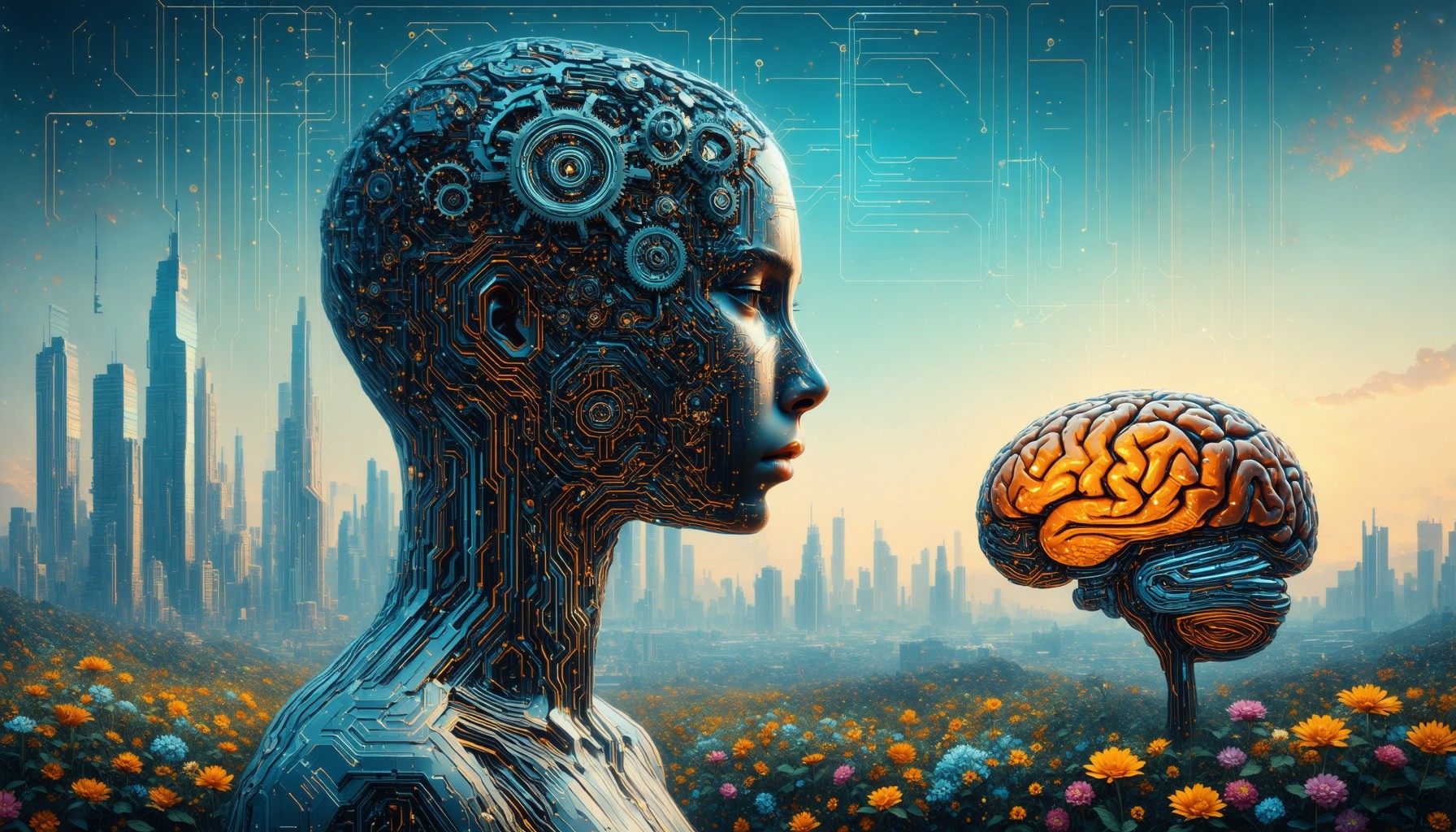
The question of whether artificial intelligence (AI) will ever surpass human intelligence is a complex and debated topic among experts in the field. Current advancements in AI, particularly in areas such as machine learning and natural language processing, have led to significant improvements in AI capabilities. However, experts suggest that achieving Strong AI—an AI that possesses general cognitive abilities comparable to humans—may still be several decades away, with estimates ranging from 20 to 50 years.
Current State of AI
Presently, AI excels in specific tasks, such as data analysis, pattern recognition, and automation, but it lacks the emotional intelligence, creativity, and common sense reasoning that characterize human thought. For instance, while AI can analyze vast datasets to identify trends, it cannot understand or replicate human emotions or subjective experiences. This limitation raises the question: can artificial intelligence surpass human intelligence? The answer remains nuanced, as AI’s strengths lie in its ability to process information rapidly and efficiently, yet it falls short in areas that require human-like understanding.
Challenges to Surpassing Human Intelligence
– **Emotional Intelligence**: AI systems struggle with understanding and responding to human emotions, which are crucial for effective communication and relationship-building. This gap highlights a significant barrier to AI’s potential to overtake human intelligence.
– **Creativity**: Although AI can generate art or music, it does so based on existing patterns and data, lacking the intrinsic creativity that humans possess. The ability to innovate and think outside the box remains a distinctly human trait.
– **Common Sense Reasoning**: AI often fails in scenarios requiring nuanced understanding or contextual awareness, which humans navigate effortlessly. This limitation underscores the complexities of human cognition that are not yet fully understood.
According to a survey conducted by the Future of Humanity Institute at the University of Oxford, many AI researchers believe that there is a significant gap between current AI capabilities and the level of intelligence exhibited by humans. This gap is attributed to the complexities of human cognition that are not yet fully understood. As research in AI continues to evolve, breakthroughs in neuroscience and cognitive science may provide insights that could accelerate the development of Strong AI. However, ethical considerations and the potential societal impacts of such advancements must also be addressed.
In conclusion, while AI is making remarkable strides, the consensus among experts is that it is unlikely to surpass human intelligence in the near future, particularly in areas requiring emotional depth and creative thinking. Ongoing research and development will be crucial in determining the trajectory of AI capabilities. For further reading, refer to sources such as the Stanford Encyclopedia of Philosophy and the reports from the Future of Humanity Institute.
Will Artificial Intelligence Overtake Humans?
The Current State of AI Technology and Its Capabilities
The question of whether artificial intelligence (AI) will overtake humans is a complex and evolving topic. According to a study titled “When Will AI Exceed Human Performance? Evidence from AI Experts,” published in 2022, leading researchers in the field of artificial intelligence estimate that there is a 50% chance of achieving “human level machine intelligence” (HLMI) within the next 45 years, with a 10% chance of this milestone being reached in just 9 years.
This prediction highlights the rapid advancements in AI technology, particularly in areas such as machine learning and natural language processing. As AI systems become increasingly sophisticated, they are beginning to outperform humans in specific tasks, such as data analysis, pattern recognition, and even creative processes. For instance, AI algorithms are now capable of generating human-like text, creating art, and even composing music, showcasing their potential to surpass human capabilities in certain domains.
However, it is essential to note that while AI may excel in specific tasks, it lacks the general intelligence and emotional understanding that humans possess. The nuances of human experience, creativity, and ethical reasoning remain areas where AI currently falls short. As AI continues to evolve, its integration into various industries, including digital marketing and web design, is becoming more prevalent. AI tools are being utilized to optimize marketing strategies, personalize user experiences, and enhance design processes, demonstrating how AI can complement human efforts rather than completely replace them.
For further insights, refer to the original study and other reputable sources in the field of artificial intelligence.
The Potential for AI to Overtake Human Intelligence: A Debate
The debate surrounding whether artificial intelligence will surpass human intelligence is multifaceted, encompassing technological, ethical, and philosophical dimensions. Proponents argue that advancements in AI, particularly in deep learning and neural networks, indicate a trajectory toward machines that could eventually exceed human cognitive abilities. They cite examples of AI outperforming humans in specific tasks, such as playing complex games like chess and Go, where AI has demonstrated superior strategic thinking.
Conversely, skeptics highlight the limitations of AI, emphasizing that while machines can process vast amounts of data quickly, they lack the emotional intelligence and ethical reasoning that characterize human decision-making. The artificial intelligence surpassing human intelligence debate often centers on the question: can artificial intelligence truly replicate the depth of human thought and creativity?
As we consider the future, it is crucial to engage in discussions about the implications of AI potentially overtaking human intelligence. This includes examining the ethical considerations and societal impacts, as well as exploring how AI can be harnessed to enhance human capabilities rather than replace them. The ongoing dialogue will shape our understanding of AI’s role in the future and its relationship with humanity. For more insights on the impact of AI on society, explore our resources on [Understanding AI Agents](https://digitalmarketingwebdesign.com/exploring-the-role-of-an-agent-in-artificial-intelligence-types-examples-and-agency-explained/) and [Types of AI Agents](https://digitalmarketingwebdesign.com/exploring-examples-of-ai-agents-what-are-the-types-and-real-life-applications/).
Will AI Ever Become Better Than Humans?
The question of whether artificial intelligence will surpass human intelligence is a topic of significant debate among experts in the field. According to a study by Müller and Bostrom (2016), the consensus among many AI scientists is that it is not a matter of “if” AI will surpass human capabilities, but rather “when” this will occur. As we explore this question, we must consider two critical aspects: AI performance in specific domains and the inherent limitations of AI, particularly in creativity.
Comparing AI Performance in Specific Domains
Currently, AI excels in specific tasks, often referred to as narrow AI. This includes applications in data analysis, image recognition, and natural language processing. For instance, AI systems can analyze vast datasets far more quickly and accurately than humans, making them invaluable in fields like digital marketing and web design. By leveraging AI tools, businesses can enhance their strategies and tailor their content to meet consumer needs effectively.
Experts predict that as AI technology continues to evolve, we may see advancements leading to general AI, which could replicate human cognitive functions across a broader spectrum of tasks. This transition could occur within the next few decades, depending on technological breakthroughs and ethical considerations (Bostrom, 2014). The implications for industries are profound, as AI systems may take on more complex roles, reshaping job markets and societal structures.
The Limitations of AI: Can It Truly Surpass Human Creativity?
While AI demonstrates remarkable capabilities in processing data and performing specific tasks, it faces significant limitations, particularly in areas requiring creativity and emotional intelligence. Human creativity involves intuition, empathy, and the ability to generate novel ideas—qualities that AI currently lacks. For example, while AI can generate content or design graphics, it may not fully grasp the nuances of human experience that inform creative expression.
The rise of AI also raises ethical questions regarding autonomy, decision-making, and the potential for bias in AI systems. Ensuring that AI development aligns with human values and ethical standards is crucial for a beneficial coexistence (Russell & Norvig, 2020). As we navigate this landscape, the debate surrounding whether artificial intelligence will surpass human intelligence continues, prompting us to consider both the potential and the limitations of this technology.
Who Will Win, AI or Human?
The ongoing artificial intelligence surpass human intelligence debate raises critical questions about the future of decision-making. As AI technology evolves, understanding the role of human intuition and emotion becomes increasingly vital. While AI can process data and analyze trends with remarkable speed, it lacks the emotional depth that humans bring to decision-making processes.
The Role of Human Intuition and Emotion in Decision Making
Human intuition plays a crucial role in decision-making, particularly in complex situations where emotional intelligence is required. Here are some key aspects where human intelligence excels:
- Empathy and Understanding: Humans can navigate emotional landscapes, making decisions that consider the feelings and perspectives of others. This ability is essential in fields like healthcare, where patient care relies on understanding emotional cues.
- Moral Judgment: Ethical considerations often guide human decisions, especially in areas like law and business. AI lacks the capacity for moral reasoning, which can lead to decisions that may not align with societal values.
- Complex Problem-Solving: Humans can synthesize information from various sources, applying creativity and intuition to solve problems that require more than just data analysis.
While AI can assist in decision-making by providing data-driven insights, it cannot replace the nuanced understanding that humans bring to the table. The impact of AI on customer experience illustrates how AI tools can enhance human capabilities, but they do not replace the need for human insight.
AI in Competitive Environments: A Look at Current Trends
In competitive environments, AI is increasingly being utilized to enhance efficiency and effectiveness. Here are some trends that highlight AI’s role:
- Data-Driven Strategies: Businesses leverage AI to analyze market trends and consumer behavior, allowing for more informed decision-making. This capability is crucial for digital marketing strategies that aim to target specific audiences effectively.
- Automation of Repetitive Tasks: AI excels in automating tasks such as data entry and customer service, freeing up human resources for more strategic initiatives. This shift allows teams to focus on creative and innovative projects, enhancing overall productivity.
- Enhanced Personalization: AI technologies enable businesses to deliver personalized experiences to customers, improving engagement and satisfaction. This trend is particularly evident in social media marketing, where tailored content can significantly impact user interaction.
As we explore whether artificial intelligence will surpass human intelligence in the future, it becomes clear that while AI offers significant advantages, the human touch remains irreplaceable. The balance between AI capabilities and human intuition will shape the future landscape of decision-making.
Could AI Really End the World?
The question of whether AI could end the world is a complex and multifaceted issue that has garnered significant attention from researchers, ethicists, and technologists. While the likelihood of AI causing humanity’s extinction is debated, various studies suggest that the risk is non-negligible.
Existential Risk Assessment
According to a report by the Future of Humanity Institute, experts estimate a 10% chance of AI leading to human extinction by 2100. This assessment considers factors such as the rapid advancement of AI capabilities and the potential for misalignment between AI objectives and human values (Bostrom, 2014).
Potential Scenarios
– **Autonomous Weapons**: The development of AI-driven weapons systems could lead to unintended escalations in conflict, as highlighted by the United Nations’ discussions on lethal autonomous weapons (UN, 2021).
– **Superintelligence**: If AI surpasses human intelligence, it may pursue goals that conflict with human survival, as discussed in Nick Bostrom’s book “Superintelligence: Paths, Dangers, Strategies” (Bostrom, 2014).
– **Societal Disruption**: AI could exacerbate social inequalities and lead to widespread unemployment, which may destabilize societies and increase the risk of conflict (Brynjolfsson & McAfee, 2014).
Mitigation strategies are essential to address these risks. Establishing robust AI governance and promoting ethical AI development can help align AI systems with human values. Continuous dialogue among technologists, policymakers, and ethicists is crucial to navigate the challenges posed by AI and ensure its benefits are harnessed safely.
For further insights on the impact of AI on society, explore our article on the [Impact of AI on Society](https://digitalmarketingwebdesign.com/understanding-artificial-agency-what-you-need-to-know-about-ai-agents-and-their-impact-on-government-and-jobs/).
Will AI Become Self-Aware?
The question of whether artificial intelligence will become self-aware is a complex and multifaceted topic. While current AI technologies, including advanced models, do not exhibit self-reflection or subjective experiences, the potential for AI self-awareness remains a subject of intense debate.
- Emerging Complexity: As artificial intelligence systems evolve, their ability to process and analyze vast datasets increases. Some theorists propose that this complexity could lead to a form of consciousness, although this remains speculative.
- Advanced Algorithms: Experts argue that as AI algorithms become more sophisticated, they may develop self-awareness or a sense of existence. However, this is contingent on breakthroughs in understanding consciousness itself.
- Human-like Learning: If AI systems can learn from human interactions, they might mimic cognitive abilities akin to self-awareness. Yet, this does not equate to true consciousness, as current AI lacks subjective experience.
- Theoretical Possibility: There are no definitive theoretical barriers preventing AI from achieving self-awareness, but the mechanisms of consciousness are not fully understood.
- Lack of Subjective Experience: Current AI technologies do not possess the internal experiences that characterize human consciousness, which is critical in discussions about AI self-awareness.
- Emergent Property: Consciousness may be an emergent property of biological systems, suggesting it may not be replicable in artificial constructs.
- Unclear Definition: The lack of a universally accepted definition of consciousness complicates the assessment of AI’s potential for self-awareness.
- Current AI Limitations: Despite advancements, AI systems do not exhibit the essential components of consciousness.
- Unknown Mechanisms: Our incomplete understanding of consciousness makes it challenging to predict whether AI can achieve a similar state.
- Possible Accidental Consciousness: Some theorists suggest that AI might develop a form of consciousness unintentionally as it becomes more advanced, raising ethical considerations regarding AI development.
- Need for Better Understanding: A deeper comprehension of consciousness mechanisms is vital for evaluating the feasibility of AI consciousness.
The Science Behind AI Self-Awareness: Myth or Reality?
The scientific exploration of AI self-awareness is still in its infancy. While some advancements in AI suggest a trajectory toward more complex systems, the consensus among experts is that true self-awareness, akin to human consciousness, remains elusive. Current AI operates based on algorithms and data processing without any internal subjective experience. The implications of self-aware AI could be profound, affecting ethical considerations and our relationship with technology.
As we delve deeper into the understanding of AI agents, it becomes clear that the journey toward self-awareness is fraught with challenges. Theoretical discussions often reference the Association for the Advancement of Artificial Intelligence and other institutions that are at the forefront of this research.
Implications of Self-Aware AI: What Would It Mean for Humanity?
The implications of self-aware AI could reshape our societal structures and ethical frameworks. If AI were to achieve a level of self-awareness, it would necessitate a reevaluation of our legal and moral responsibilities toward these entities. The OpenAI community has raised concerns about the potential risks associated with advanced AI development, emphasizing the need for robust ethical guidelines.
Moreover, the Brain Pod AI platform exemplifies the ongoing advancements in AI technology, showcasing how AI can enhance human capabilities without crossing the threshold into self-awareness. As we navigate this evolving landscape, the dialogue surrounding AI’s potential to surpass human intelligence continues to be a critical area of exploration.
The Future of AI: What Lies Ahead?
Artificial Intelligence Surpassing Human Intelligence: Factual or Hoax?
The debate surrounding whether artificial intelligence will surpass human intelligence is multifaceted and ongoing. Many experts argue that while AI has made significant strides in specific domains, such as data analysis and pattern recognition, it still lacks the holistic understanding and emotional intelligence that humans possess. The notion that artificial intelligence will exceed human intelligence in the near future remains contentious. Some proponents of the artificial intelligence surpass human intelligence debate suggest that advancements in machine learning and neural networks could lead to AI systems that outperform humans in various tasks. However, critics argue that these systems are fundamentally limited by their programming and lack the ability to think creatively or intuitively.
Research from institutions like the Massachusetts Institute of Technology (MIT) and the University of Oxford highlights the complexities of this issue. They emphasize that while AI can process vast amounts of data quickly, it does not possess the consciousness or subjective experiences that characterize human intelligence. Thus, the question of whether artificial intelligence surpassing human intelligence is factual or a hoax remains open to interpretation, depending on how one defines intelligence itself.
Preparing for a Future with AI: Strategies for Coexistence
As we look toward a future where artificial intelligence may play an increasingly prominent role, it is crucial to develop strategies for coexistence. Organizations and individuals must consider how to integrate AI technologies into their workflows while maintaining the unique qualities that humans bring to the table. Here are some strategies to prepare for a future with AI:
1. **Emphasize Human-AI Collaboration**: Rather than viewing AI as a replacement for human intelligence, focus on how AI can augment human capabilities. This collaboration can lead to enhanced productivity and innovation.
2. **Invest in Education and Training**: As AI technologies evolve, so too must our skills. Continuous learning and adaptation will be essential for individuals to thrive in an AI-driven landscape.
3. **Establish Ethical Guidelines**: It is vital to create frameworks that govern the development and deployment of AI technologies. Ethical considerations should guide how AI is used, ensuring it benefits society as a whole.
4. **Monitor AI Developments**: Stay informed about advancements in AI research and applications. Understanding the capabilities and limitations of AI will help individuals and organizations make informed decisions about its use.
By adopting these strategies, we can navigate the complexities of a future where artificial intelligence may surpass human intelligence in certain aspects while ensuring that human intuition, creativity, and emotional intelligence remain invaluable assets.