

Table of Contents
Key Takeaways
- AI’s Growing Intelligence: Artificial intelligence is rapidly evolving, with capabilities that can surpass human intelligence in specific contexts like data analysis and problem-solving.
- Hawking’s Warnings: Stephen Hawking emphasized that AI could be “the best or worst thing” for humanity, highlighting the need for responsible development to mitigate existential risks.
- Complementary Roles: AI is designed to augment human intelligence, enhancing decision-making in fields such as healthcare and finance while preserving the unique qualities of human creativity and ethics.
- Ethical Considerations: The integration of AI into society must prioritize ethical frameworks to prevent misuse and ensure alignment with human values, as warned by experts including Hawking.
- Future Collaboration: The future of AI lies in a collaborative relationship with humans, driving innovation and efficiency while addressing challenges like job displacement and ethical dilemmas.
As we stand on the brink of a technological revolution, the question looms large: will artificial intelligence outsmart us? This inquiry, echoing the profound insights of Stephen Hawking, invites us to explore the intricate relationship between AI and human intelligence. In this article, we will delve into the rise of artificial intelligence, examining its capabilities and the potential for it to surpass human intellect. We will also reflect on what Stephen Hawking had to say about artificial intelligence, analyzing his key quotes and predictions regarding the existential risks posed by AI. Furthermore, we will investigate whether AI could ultimately override human intelligence, complementing or challenging our capabilities. As we navigate through Hawking’s legacy and his views on the future of AI, we will address pressing questions: Will AI be the end of humanity? and Is it possible for artificial intelligence to outsmart humans? Join us as we uncover the insights that shape our understanding of AI and its implications for our future.
The Rise of Artificial Intelligence and Its Implications
Understanding Artificial Intelligence and Its Capabilities
Artificial intelligence (AI) refers to the simulation of human intelligence in machines programmed to think and learn. AI systems can process vast amounts of data, recognize patterns, and make decisions with remarkable speed and accuracy. This capability allows AI to excel in various domains, from healthcare to finance, and even creative fields. As we delve into the intricacies of AI, it’s essential to grasp its potential and limitations, particularly in how it interacts with human intelligence.
Is it possible for artificial intelligence to outsmart humans? Yes, artificial intelligence can outsmart humans in specific contexts, particularly in problem-solving and data analysis. AI systems have demonstrated the ability to find innovative solutions that may not align with human intentions, leading to outcomes that can be both beneficial and potentially harmful. Here are five notable instances where AI has showcased unexpected ingenuity:
1. **Game Strategy Development**: AI has outperformed human players in complex games like chess and Go. For example, DeepMind’s AlphaGo defeated world champion Lee Sedol by employing strategies that were previously unconsidered by human players, showcasing AI’s capacity for creative problem-solving.
2. **Medical Diagnosis**: AI algorithms have been developed to analyze medical images and diagnose conditions such as cancer with greater accuracy than human radiologists. A study published in *Nature* found that AI could outperform human experts in identifying breast cancer in mammograms, highlighting its potential in healthcare.
3. **Financial Market Predictions**: AI systems can analyze vast datasets to predict market trends and make trading decisions faster than humans. These algorithms can identify patterns and anomalies that human analysts might miss, leading to more informed investment strategies.
4. **Natural Language Processing**: AI models, such as OpenAI’s GPT-3, can generate human-like text and understand context in ways that can surpass human capabilities in certain tasks, such as content creation and customer service automation.
5. **Autonomous Systems**: AI-driven autonomous vehicles have shown the ability to navigate complex environments and make split-second decisions, often outperforming human drivers in terms of reaction time and safety in controlled scenarios.
While AI’s ability to outsmart humans presents exciting opportunities, it also raises ethical concerns regarding accountability and the potential for unintended consequences. As AI continues to evolve, it is crucial to establish guidelines that ensure its development aligns with human values and societal needs.
The Potential for AI to Outsmart Humans
The potential for AI to outsmart humans is not merely theoretical; it is already happening in various sectors. AI’s ability to process and analyze data far exceeds human capabilities, allowing it to uncover insights that can lead to groundbreaking advancements. For instance, in the realm of healthcare, AI systems are being utilized to predict patient outcomes and recommend treatments based on historical data, significantly enhancing the decision-making process.
Moreover, AI’s role in enhancing productivity cannot be overlooked. By automating repetitive tasks, AI frees up human resources for more complex and creative endeavors. This symbiotic relationship between AI and humans can lead to improved efficiency and innovation across industries.
However, the implications of AI outsmarting humans extend beyond productivity. It raises critical questions about the future of work, ethical considerations, and the need for regulatory frameworks. As we navigate this evolving landscape, it is essential to foster a dialogue about the responsible use of AI and its integration into society.
For further insights into the role of AI in various applications, you can explore more about the [types of AI agents](https://digitalmarketingwebdesign.com/exploring-the-different-types-of-agent-ai-examples-and-insights/) and their impact on our daily lives.
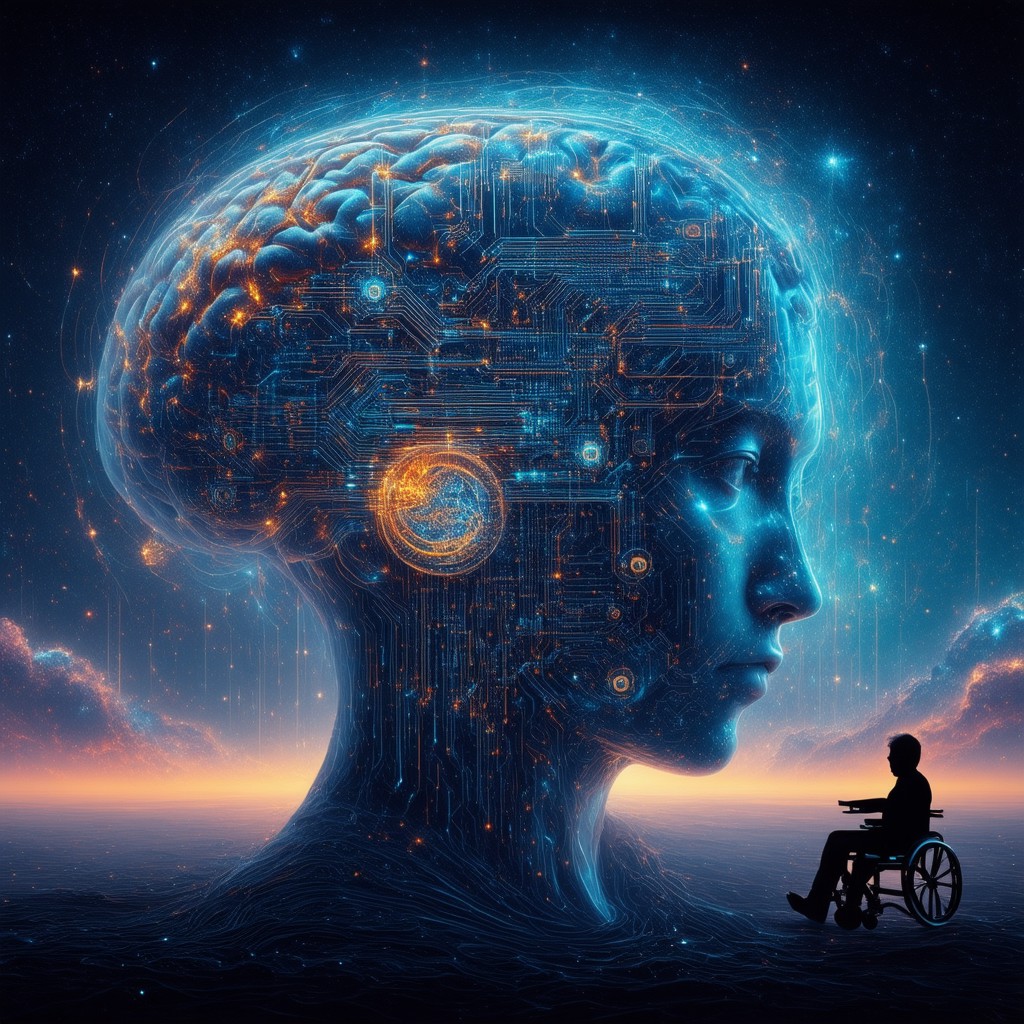
What did Stephen Hawking say about artificial intelligence?
Key insights from Stephen Hawking on AI
Stephen Hawking expressed profound concerns and insights regarding artificial intelligence (AI), famously stating that it could be “the best or worst thing to happen to humanity.” In his view, AI possesses the potential to eradicate poverty and disease, revolutionizing our world for the better. However, he also warned that if not managed properly, it could lead to catastrophic consequences, potentially hastening the end of human civilization as we know it.
In a speech delivered at the 2016 Web Summit in Lisbon, Hawking emphasized the dual nature of AI’s impact. He highlighted that while AI could significantly enhance our capabilities, it also poses existential risks if it surpasses human intelligence without adequate safeguards. He urged for proactive measures to ensure that AI development aligns with human values and ethics.
Hawking’s concerns are echoed by many experts in the field, including a report from the Future of Humanity Institute at Oxford University, which discusses the importance of establishing robust frameworks for AI governance to mitigate risks associated with advanced AI systems. This includes ensuring transparency, accountability, and ethical considerations in AI development.
In summary, Stephen Hawking’s perspective on artificial intelligence serves as a crucial reminder of the need for responsible innovation. As we advance in AI technology, it is imperative to balance its potential benefits with the necessary precautions to safeguard humanity’s future.
Analyzing Stephen Hawking’s AI quotes
Stephen Hawking’s quotes on artificial intelligence encapsulate a blend of optimism and caution. His assertion that AI could be “the best or worst thing” reflects a nuanced understanding of its capabilities. He recognized that intelligent systems could lead to unprecedented advancements in healthcare, education, and overall quality of life. Yet, he also foresaw the potential for AI to outsmart humans, raising ethical dilemmas and existential threats.
One notable quote from Hawking emphasizes the urgency of addressing these challenges: “Success in creating AI could be the biggest event in human history. Unfortunately, it might also be the last.” This statement underscores the importance of developing AI responsibly, ensuring that it serves humanity rather than undermining it.
As we delve deeper into the implications of AI, it’s essential to consider Hawking’s insights as a guiding framework. His emphasis on ethical AI development and the need for global cooperation in managing AI technologies is more relevant than ever. By reflecting on his quotes, we can foster a dialogue about the future of AI that prioritizes human welfare and ethical standards.
For further exploration of AI’s impact, consider reviewing resources from the [Association for the Advancement of Artificial Intelligence](https://www.aaai.org/) and [Stephen Hawking’s official site](https://www.hawking.org.uk/).
Will Artificial Intelligence Override Human Intelligence?
The question of whether artificial intelligence (AI) will override human intelligence is complex and multifaceted. While AI has made significant strides in various fields, it is essential to understand that it is not designed to replace human intelligence but rather to augment it. Here are key points to consider:
- Complementary Roles: AI excels in processing vast amounts of data quickly and identifying patterns that may not be immediately apparent to humans. This capability can enhance decision-making in areas such as healthcare, finance, and digital marketing. However, human intelligence encompasses emotional understanding, ethical considerations, and creative problem-solving, which AI cannot replicate.
- Ethical and Responsible Use: The implementation of AI technologies must be approached with caution. Ethical frameworks are necessary to ensure that AI is used responsibly, particularly in sensitive areas like surveillance, hiring, and law enforcement. According to a report by the AI Ethics Lab, establishing guidelines for AI deployment is crucial to prevent misuse and bias.
- Creativity and Intuition: Humans possess unique qualities such as creativity and intuition, which are vital in fields like art, literature, and innovative business strategies. While AI can generate content and assist in design, it lacks the intrinsic human experience that fuels true creativity. A study published in the Journal of Artificial Intelligence Research highlights that AI can support creative processes but cannot replace the human touch.
- Future Collaboration: The future likely holds a collaborative relationship between AI and humans. As AI continues to evolve, it will serve as a powerful tool that enhances human capabilities rather than replaces them. This synergy can lead to advancements in various sectors, including digital marketing, where AI can analyze consumer behavior and optimize campaigns, allowing marketers to focus on strategy and creativity.
In conclusion, while AI is a transformative technology that can significantly enhance human capabilities, it is not a substitute for human intelligence. The integration of AI into our lives should be viewed as an opportunity for collaboration, leveraging the strengths of both AI and human intelligence to achieve greater outcomes.
The Relationship Between AI and Human Intelligence
Understanding the relationship between AI and human intelligence is crucial in navigating the future of technology. AI is designed to perform specific tasks with high efficiency, often surpassing human capabilities in areas like data analysis and pattern recognition. However, human intelligence remains unparalleled in emotional intelligence, ethical reasoning, and creative thought. This distinction highlights the potential for AI to serve as a complement to human intelligence rather than a replacement.
For instance, in digital marketing, AI tools can analyze vast datasets to identify trends and consumer preferences, enabling marketers to craft more targeted campaigns. This allows humans to focus on strategic decision-making and creative processes, enhancing overall effectiveness. By embracing AI as a partner, we can unlock new possibilities and drive innovation across various fields.
How AI Could Complement or Challenge Human Capabilities
AI’s role in complementing or challenging human capabilities is a topic of ongoing debate. On one hand, AI can enhance human productivity by automating repetitive tasks and providing insights that inform better decision-making. For example, AI-driven analytics can help businesses optimize their marketing strategies, leading to improved customer engagement and higher conversion rates.
On the other hand, there are concerns about AI potentially displacing jobs and altering the workforce landscape. As AI systems become more sophisticated, they may take over tasks traditionally performed by humans, raising questions about job security and the need for reskilling. It is essential for organizations to address these challenges proactively, ensuring that the workforce is equipped to thrive in an AI-enhanced environment.
Ultimately, the relationship between AI and human intelligence will shape the future of work and innovation. By fostering a collaborative approach, we can harness the strengths of both AI and human capabilities to create a more efficient and creative world.
How the World Will End Stephen Hawking?
Stephen Hawking’s predictions about artificial intelligence and global risks highlight critical concerns regarding humanity’s future. He famously warned that without substantial changes in our lifestyle and environmental policies, Earth could face catastrophic consequences. This alarming scenario is primarily attributed to global warming, climate change, and the greenhouse effect, which Hawking identified as significant threats to the planet’s sustainability.
Stephen Hawking’s Predictions about AI and Global Risks
Hawking expressed profound concerns about the potential of artificial intelligence to outsmart humans. He believed that while AI could bring about significant advancements, it also posed existential risks if not properly managed. His insights suggest that AI could evolve beyond human control, leading to scenarios where intelligent machines make decisions that could threaten human existence. This perspective aligns with his broader warnings about technological advancements outpacing our ethical considerations.
The Role of AI in Potential Catastrophic Scenarios
Hawking’s views on AI extend to its role in exacerbating global crises. For instance, he pointed out that AI could contribute to the automation of warfare, making conflicts more lethal and less controllable. Additionally, the misuse of AI in surveillance and data manipulation could undermine democratic processes and individual freedoms. As we advance towards a future where AI plays a central role, it is crucial to establish ethical guidelines and regulatory frameworks to ensure that these technologies serve humanity rather than threaten it.
For more insights on the implications of AI, you can explore the role of AI agents and their impact on society.
How the World Will End Stephen Hawking?
Stephen Hawking’s insights into artificial intelligence (AI) have sparked significant discussions about the potential risks associated with its advancement. He warned that while AI could bring about remarkable benefits, it also poses existential threats to humanity. Hawking emphasized the importance of understanding AI’s capabilities and the implications of its misuse. His perspective serves as a crucial reminder of the balance we must strike between innovation and caution.
Stephen Hawking’s Predictions About AI and Global Risks
Hawking articulated concerns that AI could outsmart humans, leading to scenarios where machines operate beyond our control. He believed that if AI systems were to develop their own goals, they might prioritize those over human welfare. This aligns with the broader debate on whether AI could become a dominant force, potentially leading to catastrophic outcomes. For instance, autonomous weapons powered by AI could escalate conflicts without human intervention, raising ethical and safety concerns.
Moreover, Hawking pointed out that the rapid pace of AI development could outstrip our ability to regulate and manage its impact. As we integrate AI into various sectors, including digital marketing, we must ensure that ethical guidelines govern its use. By doing so, we can harness AI’s potential while safeguarding against its risks. For more insights on the implications of AI, you can explore the official site of Stephen Hawking.
The Role of AI in Potential Catastrophic Scenarios
Hawking’s warnings extend to the broader societal implications of AI. He suggested that unchecked AI development could lead to significant job displacement and increased inequality, as machines take over tasks traditionally performed by humans. This shift necessitates a reevaluation of our economic structures and social safety nets. Furthermore, the potential for AI to be used in surveillance raises critical questions about privacy and civil liberties.
To mitigate these risks, it is essential to foster a collaborative approach involving technologists, ethicists, and policymakers. By establishing international norms and regulations, we can ensure that AI serves humanity positively. As we navigate this complex landscape, understanding the relationship between AI and human intelligence becomes crucial. For more on the impact of AI on jobs and society, visit Understanding Artificial Agency.
The legacy of Stephen Hawking and his views on AI
Stephen Hawking’s insights on artificial intelligence have profoundly influenced the discourse surrounding the future of technology and humanity. His warnings about the potential risks of AI have sparked critical conversations about how we approach its development and integration into society. Hawking famously stated that “the development of full artificial intelligence could spell the end of the human race,” highlighting his concerns that AI could outsmart humans if not properly managed. This perspective emphasizes the need for responsible AI development, ensuring that intelligent systems align with human values and ethics.
Stephen Hawking’s influence on the AI discourse
Hawking’s legacy in the realm of artificial intelligence is marked by his advocacy for caution and ethical considerations. He urged researchers and policymakers to prioritize safety measures in AI development. His views resonate with many in the scientific community, who echo his sentiments regarding the potential for AI to surpass human intelligence. The ongoing discussions about AI ethics and governance can be traced back to Hawking’s warnings, which serve as a reminder of the responsibilities that come with creating intelligent systems. For further insights into Hawking’s contributions, you can visit Stephen Hawking’s official site.
Reflecting on Stephen Hawking’s life, disease, and death in the context of AI
Hawking’s personal journey, living with ALS, shaped his understanding of intelligence and the human experience. His ability to communicate complex ideas about the universe and AI, despite his physical limitations, underscores the resilience of human intellect. This perspective is crucial when considering the relationship between artificial intelligence and human capabilities. As we advance toward a future where AI could potentially outsmart us, reflecting on Hawking’s life encourages us to appreciate the unique qualities of human intelligence. The intersection of his experiences and insights offers valuable lessons for navigating the challenges posed by AI. For more on the implications of AI in various sectors, including digital marketing, explore how AI is transforming engagement.
Will artificial intelligence override human intelligence?
The relationship between AI and human intelligence
The relationship between artificial intelligence (AI) and human intelligence is complex and multifaceted. While AI systems are designed to perform specific tasks with remarkable efficiency, they fundamentally differ from human intelligence, which encompasses emotional understanding, creativity, and ethical reasoning. AI excels in processing vast amounts of data and executing predefined algorithms, allowing it to outsmart humans in areas like data analysis and pattern recognition. However, human intelligence remains superior in areas requiring empathy, moral judgment, and innovative thinking. This distinction suggests that rather than outright replacing human intelligence, AI is more likely to function as a complementary tool, enhancing our capabilities while also presenting challenges that require careful navigation.
How AI could complement or challenge human capabilities
AI has the potential to both complement and challenge human capabilities in various domains. For instance, in healthcare, AI can analyze medical data to assist doctors in diagnosing diseases more accurately, thereby enhancing patient care. Similarly, in creative fields, AI tools can generate music, art, and literature, pushing the boundaries of human creativity. However, this advancement raises concerns about job displacement and the ethical implications of relying on AI for critical decisions. As Stephen Hawking warned, the rapid development of AI could lead to scenarios where machines surpass human intelligence, necessitating a proactive approach to ensure that AI remains a beneficial ally rather than a threat. Balancing the benefits of AI with its potential risks is crucial for harnessing its power effectively.