

Table of Contents
Key Takeaways
- AI Enhances Healthcare: AI technologies are set to augment, not replace, doctors by improving diagnostics and treatment options.
- Job Security for Medical Professionals: Roles such as doctors, nurses, and mental health professionals are likely to remain secure due to their irreplaceable human touch and complex decision-making skills.
- Collaboration is Key: The future of healthcare will see a collaborative approach where AI supports healthcare professionals, leading to better patient outcomes.
- Focus on Human Elements: Empathy, ethical reasoning, and the ability to build patient relationships are critical aspects of healthcare that AI cannot replicate.
- Future Training Needs: Medical education will need to incorporate AI training to prepare future healthcare professionals for a tech-driven landscape.
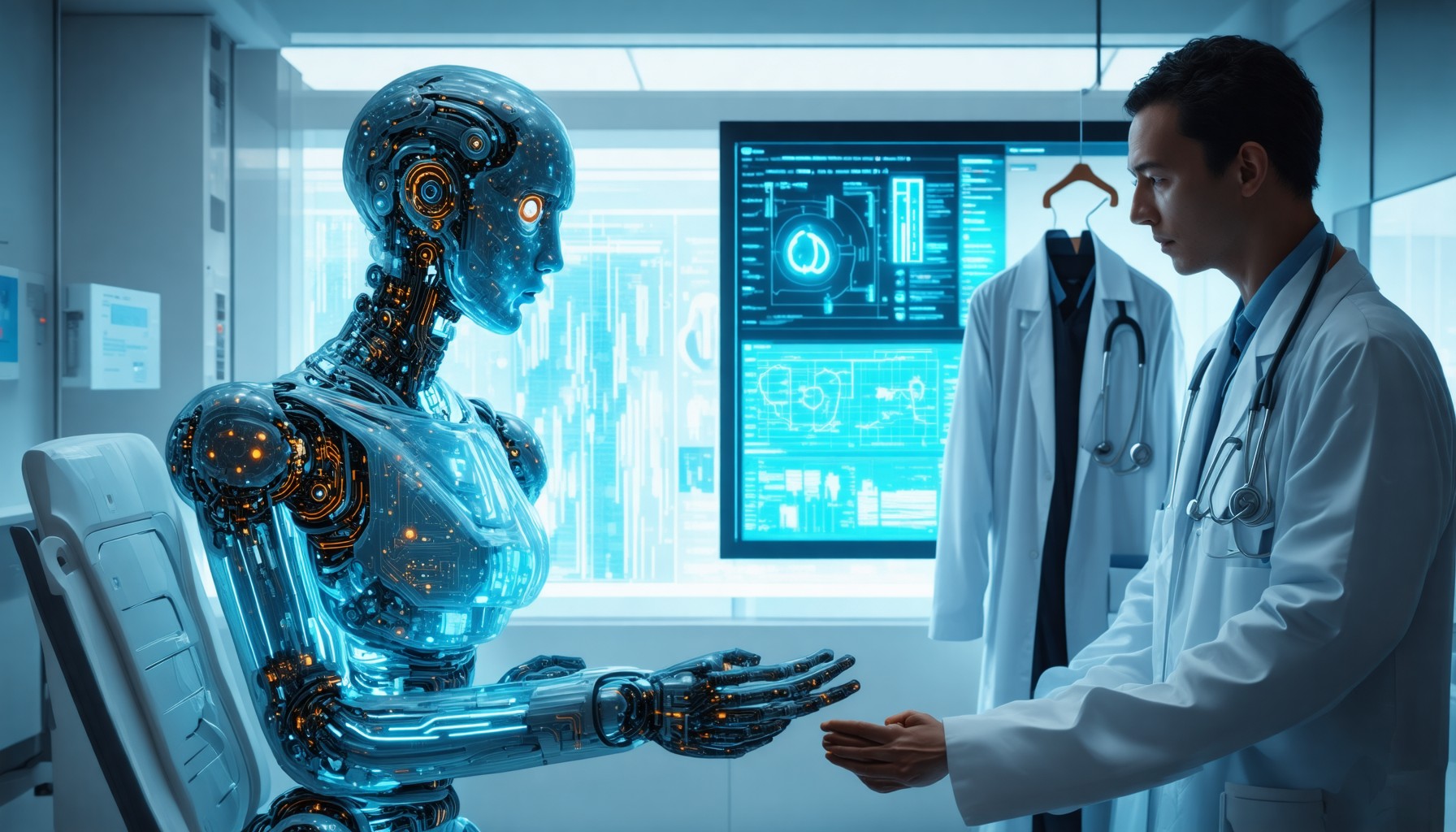
As technology continues to evolve at an unprecedented pace, the question on many minds is: will AI replace doctors? This article delves into the intricate relationship between artificial intelligence and the medical profession, exploring whether AI will take over doctors in the near future or if it will serve as a complementary tool. We will examine the role of AI in healthcare, addressing concerns about job security for medical professionals and predicting the future landscape of the industry. From the potential for AI to replace doctors and nurses to the jobs that remain safe from automation, our exploration will provide insights into how AI could reshape the healthcare sector in the coming years. Join us as we navigate these pressing questions, including will AI replace doctors in 10 years and will AI eventually replace doctors, to understand the implications for both practitioners and patients alike.
Will AI Replace Doctors?
Is AI going to take over doctors?
The question of whether AI will take over doctors is complex and multifaceted. While AI technologies are increasingly being integrated into healthcare, they are not poised to completely replace doctors. Instead, AI is enhancing the capabilities of healthcare professionals, allowing for improved patient care and more efficient processes. Here are key points to consider:
1. **AI in Diagnostics**: AI algorithms can analyze medical images and data with remarkable accuracy. For instance, studies have shown that AI can outperform human radiologists in detecting certain conditions, such as breast cancer in mammograms (McKinney et al., 2020, Nature). However, these tools are designed to assist doctors, not replace them.
2. **Decision Support Systems**: AI can provide decision support by analyzing vast amounts of patient data and suggesting treatment options. This can help doctors make more informed decisions, particularly in complex cases. A study published in the Journal of the American Medical Association (JAMA) found that AI-assisted decision-making improved diagnostic accuracy in various medical fields (Topol, 2019).
3. **Patient Monitoring and Management**: AI technologies, such as wearable devices and telemedicine platforms, enable continuous monitoring of patients’ health. This allows for timely interventions and personalized care plans, enhancing the overall patient experience.
4. **Administrative Efficiency**: AI can automate administrative tasks, such as scheduling and billing, freeing up doctors to focus more on patient care. This efficiency can lead to better patient outcomes and reduced burnout among healthcare professionals.
5. **Human Touch in Medicine**: Despite the advancements in AI, the human element of healthcare remains irreplaceable. Empathy, understanding, and the ability to build patient relationships are critical aspects of medical practice that AI cannot replicate.
In conclusion, while AI is transforming the healthcare landscape by augmenting the capabilities of doctors, it is unlikely to take over their roles entirely. Instead, AI serves as a powerful tool that enhances the quality of care and improves operational efficiency in healthcare settings. As technology continues to evolve, the collaboration between AI and healthcare professionals will likely lead to better patient outcomes and a more effective healthcare system.
Will AI replace doctors in the next 50 years?
Looking ahead, the question of whether AI will replace doctors in the next 50 years invites speculation and analysis. Current trends suggest that AI will not fully replace doctors but will significantly change their roles and responsibilities. Here are some considerations:
1. **Evolving Roles**: As AI continues to advance, the role of doctors may shift from traditional tasks to more complex decision-making and patient interaction. This evolution could lead to a healthcare model where doctors focus on patient relationships and nuanced care, while AI handles data analysis and routine diagnostics.
2. **Integration of AI in Training**: Medical education is likely to incorporate AI tools, preparing future doctors to work alongside these technologies. This integration will ensure that new healthcare professionals are equipped to leverage AI for improved patient outcomes.
3. **Global Variations**: The impact of AI on healthcare will vary by region. In countries like India, where healthcare access is limited, AI could play a crucial role in bridging gaps. However, the human touch will remain essential in patient care, regardless of technological advancements.
4. **Regulatory and Ethical Considerations**: The future of AI in healthcare will also depend on regulatory frameworks and ethical considerations. Ensuring patient safety and data privacy will be paramount as AI technologies become more prevalent.
In summary, while AI will undoubtedly reshape the healthcare landscape over the next 50 years, it is unlikely to replace doctors entirely. Instead, we can expect a collaborative approach where AI enhances the capabilities of healthcare professionals, leading to improved patient care and outcomes.
The Role of AI in Healthcare
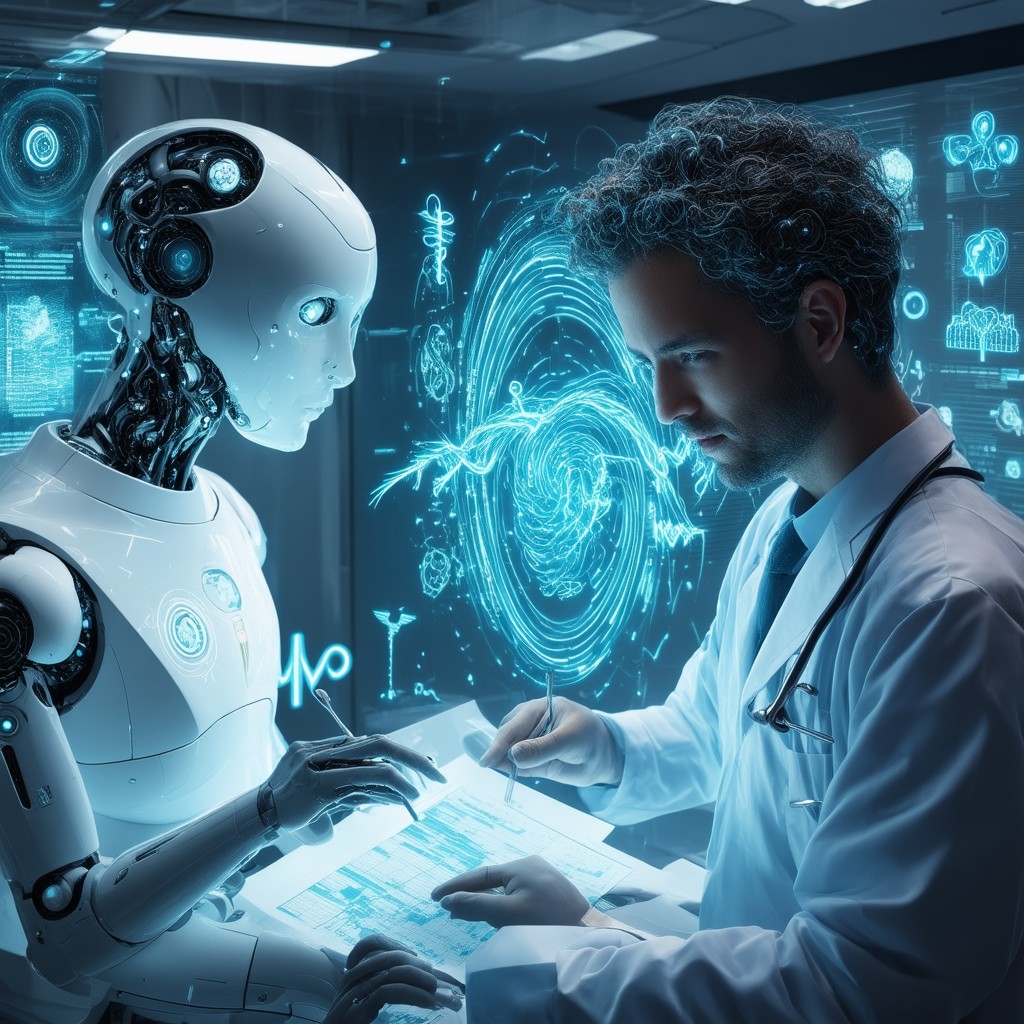
As we explore the question, will AI replace doctors, it’s essential to understand the evolving role of AI in healthcare. The integration of artificial intelligence into medical practices is not about replacing healthcare professionals but enhancing their capabilities. AI technologies are being developed to assist doctors in diagnostics, treatment planning, and patient management, leading to improved healthcare outcomes.
Will AI Replace Doctors in 10 Years?
In the next decade, the consensus among experts is that while AI will significantly impact the healthcare landscape, it is unlikely to fully replace doctors. AI can analyze vast amounts of data quickly, providing insights that can aid in diagnosis and treatment. However, the human element in healthcare—empathy, ethical considerations, and complex decision-making—remains irreplaceable. For instance, AI can assist in identifying patterns in medical imaging, but the interpretation of these results and the subsequent patient interaction will still require a qualified physician. As discussed on platforms like Will AI Replace Doctors Reddit, many believe that AI will serve as a valuable tool rather than a replacement.
Will AI Replace Doctors and Nurses?
The question of whether AI will replace doctors and nurses is multifaceted. While AI can automate routine tasks and improve efficiency, the roles of doctors and nurses encompass much more than technical skills. These professionals provide critical emotional support and make nuanced decisions that AI cannot replicate. For example, the ability to comfort a patient or make ethical decisions in complex situations is a distinctly human trait. As noted by the World Health Organization, the integration of AI in healthcare should focus on collaboration, where AI tools enhance the capabilities of healthcare providers rather than replace them. This collaborative approach is crucial for maintaining the quality of patient care while leveraging technological advancements.
Job Security in the Age of AI
As we delve deeper into the implications of artificial intelligence in healthcare, a pressing concern arises: job security. The question of “will AI replace doctors?” is not merely speculative; it reflects a broader anxiety about the future of various professions. Understanding which jobs are at risk and which are likely to remain secure is essential for both professionals and students entering the workforce.
Which Jobs Can’t AI Replace?
While AI is poised to revolutionize many sectors, certain professions are less susceptible to automation. Here are key roles that are likely to endure:
1. **Healthcare Professionals**: Despite advancements in AI, the human touch in healthcare remains irreplaceable. Doctors and nurses provide empathy, critical thinking, and complex decision-making that AI cannot replicate. The nuanced understanding of patient care and ethical considerations in treatment decisions are vital aspects of these roles.
2. **Creative Roles**: Professions that require creativity, such as artists, writers, and designers, are less likely to be replaced by AI. While AI can assist in generating ideas, the unique human perspective and emotional depth in creative work are irreplaceable.
3. **Skilled Trades**: Jobs in skilled trades, such as electricians and plumbers, require hands-on expertise and problem-solving abilities that AI cannot easily replicate. The adaptability and physical dexterity needed in these roles ensure their continued relevance.
4. **Education Professionals**: Teachers and educators play a crucial role in shaping future generations. The interpersonal skills and mentorship they provide are essential for effective learning, making it unlikely that AI will fully replace them.
These insights align with discussions on platforms like Reddit, where users frequently debate the future of jobs in the age of AI. The consensus often leans towards the idea that while AI will change the landscape, it will not eliminate the need for human expertise.
Which Jobs Are Safe from AI?
In addition to the roles mentioned above, several other professions are considered safe from AI replacement:
1. **Mental Health Professionals**: Psychologists and therapists provide emotional support and understanding that AI cannot offer. The complexities of human emotions and the therapeutic relationship are critical components of mental health care.
2. **Legal Professionals**: While AI can assist with research and document review, the nuanced understanding of law and the ability to advocate for clients are skills that require human judgment. Lawyers will continue to play a vital role in navigating complex legal landscapes.
3. **Management Roles**: Leadership positions that require strategic thinking, interpersonal skills, and the ability to inspire teams are less likely to be replaced by AI. Effective management involves understanding human dynamics and fostering a positive work culture.
As we consider the future, the question “will AI replace doctors in the next 50 years?” remains open. However, it is clear that many professions will adapt rather than disappear, emphasizing the importance of human skills in an increasingly automated world. For further insights on job security in the age of AI, explore our article on the job market impact of AI.
Future Predictions for AI and Healthcare
The question of whether AI will replace doctors in the next 10 years is complex and multifaceted. While advancements in artificial intelligence (AI) could significantly alter the roles of professionals in fields like medicine, it is essential to consider the nuances of this prediction. The integration of AI technologies into healthcare systems is already underway, and their impact is expected to grow.
Will Doctors Be Replaced in 10 Years?
AI technologies, such as machine learning and natural language processing, are being utilized to assist in diagnosing diseases, analyzing medical images, and personalizing treatment plans. For instance, a study published in the journal Nature found that AI algorithms can outperform human radiologists in detecting certain cancers (McKinney et al., 2020). This indicates that while AI can enhance diagnostic accuracy, it does not necessarily mean that doctors will be replaced.
Rather than fully replacing doctors, AI is more likely to augment their capabilities. Physicians will increasingly rely on AI tools to enhance decision-making, improve patient outcomes, and streamline administrative tasks. This collaboration can lead to more efficient healthcare delivery, allowing doctors to focus on patient care rather than routine tasks. The future landscape of healthcare will likely see a shift in the roles of medical professionals, with an increased demand for those who can interpret AI-generated data and provide compassionate care.
Will AI Eventually Replace Doctors?
Despite its potential, AI has limitations. It lacks the human touch, empathy, and ethical reasoning that are crucial in patient care. Complex cases often require nuanced understanding and interpersonal skills that AI cannot replicate. According to a report by the World Health Organization, the doctor-patient relationship remains vital for effective healthcare (WHO, 2021). Therefore, while AI will play a significant role in shaping the future of medicine, the complete replacement of doctors is improbable.
In summary, we should anticipate a future where AI and human expertise work in tandem to enhance healthcare delivery. As we explore the implications of AI in healthcare, it is crucial to consider how these technologies can complement and enhance the work of healthcare professionals, ensuring better patient outcomes and more efficient healthcare systems. For more insights on AI’s impact on various professions, check out our article on job market impact of AI.
The Impact of AI on Medical Professions
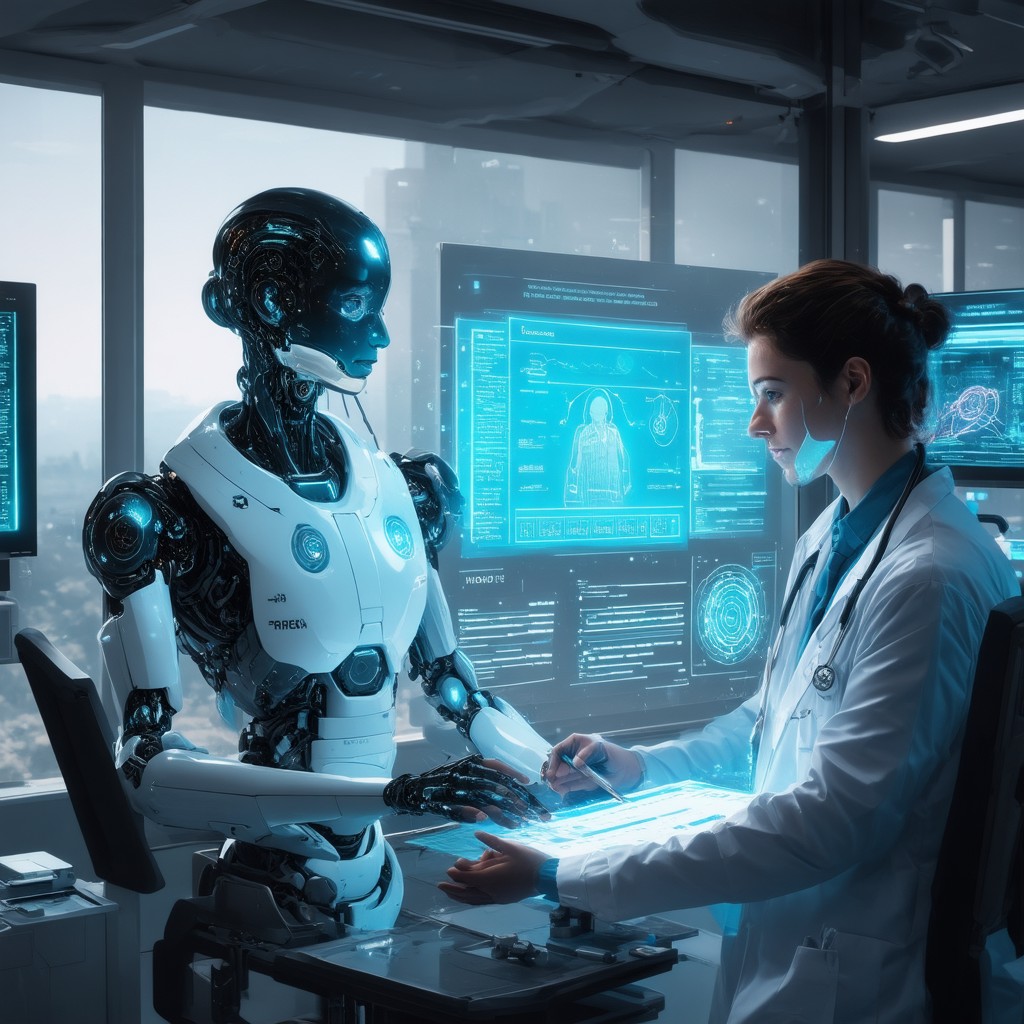
As we explore the question, “Will AI replace doctors?” it’s essential to understand the nuanced impact AI has on various medical professions. While AI technologies are advancing rapidly, they are not poised to completely replace healthcare professionals. Instead, they are likely to transform the way these professionals operate, enhancing their capabilities and improving patient care.
Which 3 Jobs Will Survive AI?
In the evolving landscape of healthcare, certain roles are expected to remain resilient against the rise of AI. Here are three key jobs that are likely to survive:
1. **Doctors**: While AI can assist in diagnostics and treatment recommendations, the role of a doctor involves complex decision-making, empathy, and patient interaction that AI cannot replicate. The human touch in patient care is irreplaceable, making the role of doctors secure in the foreseeable future.
2. **Nurses**: Similar to doctors, nurses provide critical emotional support and care that AI cannot offer. Their ability to assess patient needs, provide comfort, and make real-time decisions in high-pressure situations ensures their continued relevance in healthcare settings.
3. **Surgeons**: Although robotic-assisted surgeries are becoming more common, the expertise and judgment required in surgical procedures remain firmly in the hands of skilled surgeons. The intricate nature of surgeries demands human intuition and adaptability, which AI lacks.
These roles highlight the importance of human skills in healthcare, reinforcing the idea that while AI will augment medical practices, it will not replace the professionals who deliver care.
Will AI Replace Doctors and Surgeons?
The question of whether AI will replace doctors and surgeons is complex. Current advancements in AI, such as predictive analytics and machine learning, enhance diagnostic accuracy and treatment plans. However, the consensus among experts is that AI will not fully replace these roles.
AI tools can analyze vast amounts of data quickly, assisting doctors in making informed decisions. For instance, AI can identify patterns in medical imaging that may be overlooked by human eyes. Yet, the final decisions regarding patient care will always require the nuanced understanding and ethical considerations that only human professionals can provide.
In summary, while AI will play a significant role in transforming healthcare, the essential functions of doctors and surgeons—empathy, ethical judgment, and complex problem-solving—will ensure their continued presence in the medical field. As we look to the future, it’s clear that AI will enhance, rather than replace, the invaluable contributions of healthcare professionals.
Public Perception and Concerns
Did Bill Gates say AI will replace doctors?
Yes, Bill Gates has expressed the belief that artificial intelligence (AI) could significantly impact the healthcare sector, including the role of doctors. In various interviews and discussions, he has highlighted that AI technologies have the potential to enhance diagnostic accuracy, streamline administrative tasks, and improve patient outcomes. However, Gates has also emphasized that AI is not likely to completely replace doctors but rather augment their capabilities, allowing them to focus more on patient care and complex decision-making.
Recent advancements in AI, such as machine learning algorithms and natural language processing, have shown promise in areas like medical imaging and predictive analytics. For instance, a study published in the journal Nature demonstrated that AI systems could outperform human radiologists in detecting certain types of cancers from medical images (Liu et al., 2020). This indicates that while AI can assist in diagnostics, the human element of empathy and ethical decision-making in healthcare remains irreplaceable.
Moreover, Gates has pointed out the importance of integrating AI into healthcare systems responsibly, ensuring that it complements the work of healthcare professionals rather than undermining it. The World Health Organization (WHO) has also recognized the potential of AI in improving health services, stating that AI can enhance the efficiency of healthcare delivery and support clinical decision-making (WHO, 2021).
Will AI replace doctors – Quora?
Discussions on platforms like Quora reveal a range of opinions regarding the question, “Will AI replace doctors?” Many users acknowledge the advancements in AI and its capabilities in diagnostics and treatment recommendations. However, a significant number of responses emphasize that while AI can enhance certain aspects of healthcare, it is unlikely to fully replace doctors. The consensus is that AI will serve as a tool that supports healthcare professionals, improving efficiency and accuracy in patient care.
For example, AI can analyze vast amounts of data to identify patterns that may not be immediately apparent to human practitioners. This capability can lead to earlier diagnoses and more personalized treatment plans. However, the nuanced understanding of patient needs, ethical considerations, and the ability to provide emotional support are areas where human doctors excel and remain irreplaceable. As the conversation evolves, it is clear that the future of healthcare will likely involve a collaborative approach between AI technologies and human expertise, ensuring that patient care remains at the forefront.
For more insights on the impact of AI in healthcare, you can explore related topics such as [AI in healthcare](https://digitalmarketingwebdesign.com/will-ai-replace-therapists-exploring-the-future-of-therapy-and-the-role-of-ai-in-mental-health-solutions/) and [job market impact of AI](https://digitalmarketingwebdesign.com/will-ai-destroy-the-job-market-exploring-which-jobs-will-disappear-replace-or-thrive-in-the-age-of-automation/).
Conclusion: Navigating the Future of AI in Medicine
Will AI replace doctors jobs?
The question of whether AI will replace doctors’ jobs is complex and multifaceted. While AI technologies are increasingly being integrated into healthcare systems, they are more likely to augment rather than completely replace the roles of medical professionals. AI can assist in diagnostics, treatment planning, and patient monitoring, but the human touch, empathy, and ethical decision-making that doctors provide are irreplaceable. According to the World Health Organization, AI can enhance efficiency and accuracy in healthcare, but it cannot replicate the nuanced understanding that comes from years of medical training and patient interaction. Thus, while AI may change the nature of medical jobs, it is unlikely to eliminate them entirely.
How will AI replace doctors?
AI is set to transform the healthcare landscape in several ways. Firstly, through advanced data analytics, AI can process vast amounts of medical data to identify patterns and predict patient outcomes, which can lead to more personalized treatment plans. Secondly, AI-powered tools can assist in routine tasks such as scheduling and patient follow-ups, allowing doctors to focus more on complex cases and patient care. Additionally, AI can enhance telemedicine services, making healthcare more accessible, especially in remote areas. However, as discussed on platforms like Quora, the integration of AI into healthcare raises questions about job displacement and the need for new skill sets among healthcare professionals. Ultimately, AI will likely serve as a powerful tool that complements the work of doctors rather than outright replacing them.