


Table of Contents
Key Takeaways
- AI Will Transform, Not Replace: AI technologies are set to reshape software engineering roles, enhancing productivity while preserving the need for human creativity and problem-solving.
- Automation of Routine Tasks: By automating repetitive coding tasks, AI allows software engineers to focus on complex and creative aspects of development, increasing overall efficiency.
- Evolving Job Market: The demand for skilled software engineers will grow, particularly in sectors integrating AI, requiring professionals to adapt and acquire new skills in AI and machine learning.
- Collaboration with AI Tools: Engineers will increasingly work alongside AI-powered tools, streamlining workflows and improving software quality through enhanced collaboration.
- Continuous Learning is Key: To thrive in an AI-driven landscape, software engineers must engage in lifelong learning, developing expertise in AI ethics, data management, and advanced programming practices.
As we stand on the brink of a technological revolution, the question looms large: will AI kill software engineers? This article delves into the evolving landscape of programming jobs, exploring how artificial intelligence is reshaping the software development industry. From examining the current trends in AI and programming to predicting the future job market for software engineers through 2050 and beyond, we aim to provide a comprehensive analysis of this pressing issue. We will investigate whether AI will replace software engineers by 2030, the capabilities of AI in coding, and what industry leaders like Mark Zuckerberg foresee for the future of programming roles. Join us as we navigate the complexities of AI’s impact on software engineering, balancing the advancements in technology with the irreplaceable value of human creativity and innovation.
Will AI kill software engineers?
The question of whether AI will kill software engineers is a hot topic in the tech industry. As AI technologies continue to advance, many are left wondering how these innovations will impact the field of software development. While AI is poised to transform the landscape of coding, it is unlikely to completely eliminate software engineering jobs. Instead, it will reshape the roles and responsibilities of engineers, leading to a more collaborative environment between humans and machines.
The role of AI in software development
AI is increasingly becoming an integral part of software development, enhancing various aspects of the coding process. Here are some key points to consider:
- Automation of Routine Tasks: AI technologies, such as machine learning and natural language processing, are capable of automating repetitive coding tasks. This allows software engineers to focus on more complex and creative aspects of development, such as architecture and design.
- Enhanced Problem-Solving: While AI can assist in debugging and optimizing code, human engineers remain essential for tackling intricate problems that require critical thinking and contextual understanding. The nuances of user experience and system integration still rely heavily on human insight.
- Job Evolution: The role of software engineers will evolve rather than disappear. Professionals will need to adapt by acquiring skills in AI and machine learning, as well as understanding how to work alongside these technologies. This shift may lead to new job titles and responsibilities, such as AI specialists or data engineers.
- Collaboration with AI Tools: Engineers will increasingly collaborate with AI tools that enhance productivity, such as code suggestion platforms and automated testing frameworks. This partnership can lead to faster development cycles and improved software quality.
- Industry Demand: The demand for skilled software engineers is projected to grow, particularly in sectors that leverage AI technologies, including digital marketing and web design. As businesses seek to integrate AI into their operations, the need for professionals who can bridge the gap between technology and user needs will be crucial.
Current trends in AI and programming
As we look at the current trends in AI and programming, several key developments stand out:
- Integration of AI in Development Tools: Tools that incorporate AI capabilities are becoming more common, allowing developers to streamline their workflows and improve efficiency. For instance, platforms that offer code suggestions and automated testing are gaining traction.
- Focus on AI Ethics: As AI becomes more prevalent, discussions around ethical considerations in AI development are intensifying. Software engineers are increasingly tasked with ensuring that AI systems are designed responsibly and transparently.
- Growing Importance of Data: With AI’s reliance on data, software engineers must develop skills in data management and analysis. Understanding how to work with large datasets will be crucial for creating effective AI-driven applications.
- Collaboration Across Disciplines: The integration of AI into software development is fostering collaboration between engineers, data scientists, and AI specialists. This interdisciplinary approach is essential for creating innovative solutions that meet user needs.
In conclusion, while AI will change how software engineers work, it will not replace them. Instead, it will create opportunities for growth and innovation within the field. According to a report by the World Economic Forum, the rise of AI is expected to create 97 million new jobs by 2025, emphasizing the importance of adaptability and continuous learning in the tech industry.
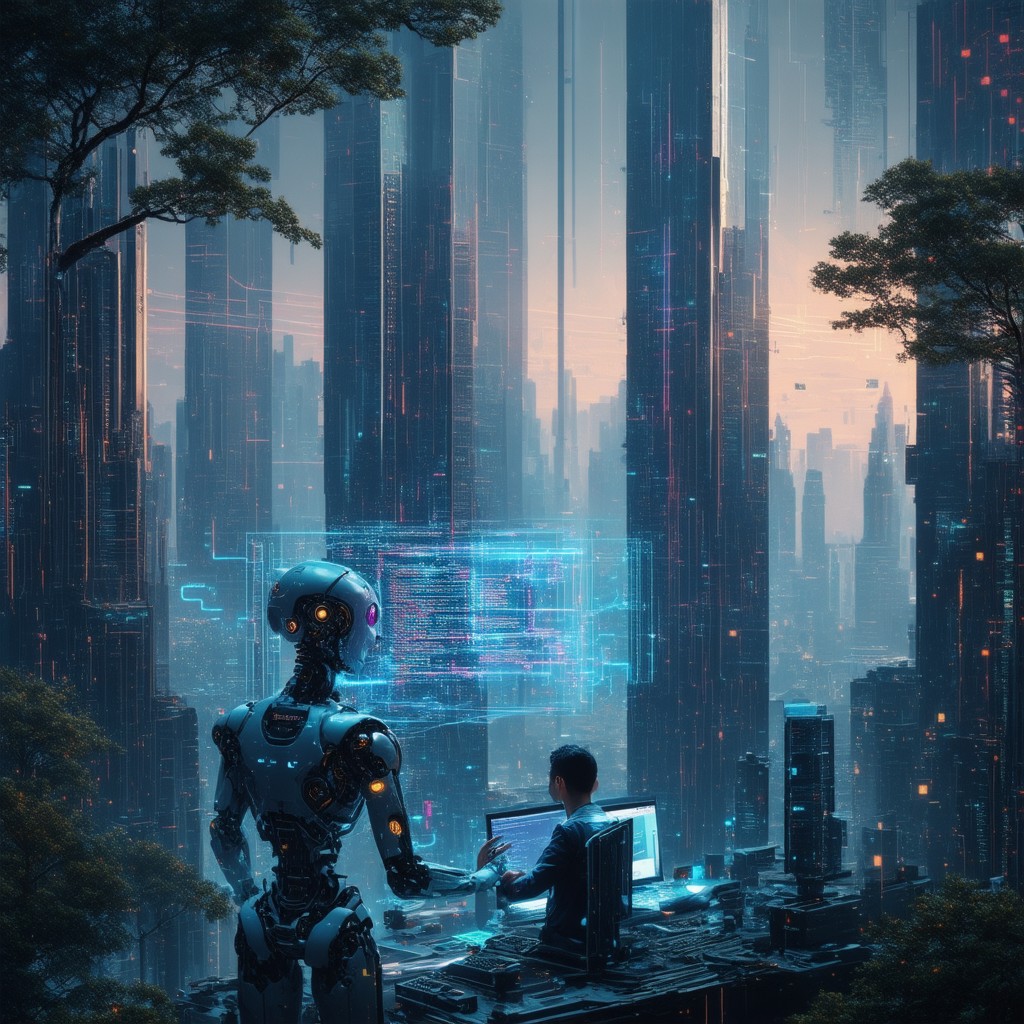
Will software engineers be replaced by AI by 2030?
The question of whether software engineers will be replaced by AI by 2030 is complex and multifaceted. While AI technologies are advancing rapidly, it is unlikely that software engineering as a profession will become obsolete. Instead, AI is expected to significantly transform the field, leading to a shift in the roles and responsibilities of software engineers.
Predictions for the software engineering job market
As we look toward 2030, several trends are emerging that will shape the software engineering job market:
- Automation of Routine Tasks: AI can automate repetitive and mundane coding tasks, such as debugging, code generation, and testing. This allows software engineers to focus on more complex and creative aspects of software development, such as architecture design and user experience.
- Enhanced Collaboration: AI tools can facilitate better collaboration among teams by providing insights and recommendations based on data analysis. This can lead to more efficient workflows and improved project outcomes.
- Higher-Level Problem Solving: As AI takes over routine tasks, software engineers will increasingly engage in higher-level problem-solving. This includes understanding user needs, designing innovative solutions, and integrating AI capabilities into applications.
- Continuous Learning and Adaptation: The rapid evolution of AI technologies necessitates that software engineers continuously update their skills. This includes learning about AI frameworks, machine learning algorithms, and data analysis techniques to remain relevant in the industry.
- Job Creation in AI Development: The rise of AI will also create new job opportunities within the tech sector. Software engineers will be needed to develop, maintain, and improve AI systems, ensuring that human oversight and ethical considerations are prioritized.
Will AI replace software engineers in 2030?
In conclusion, while AI will undoubtedly change the landscape of software engineering, it is more likely to augment human capabilities rather than replace them entirely. Software engineers will adapt to these changes by embracing new technologies and focusing on higher-level tasks that require human creativity and critical thinking. According to a report by the World Economic Forum, the demand for technology-related jobs, including software engineering, is expected to grow significantly in the coming years, highlighting the continued importance of human expertise in the field.
Will AI Surpass Software Engineering?
The question of whether AI will surpass software engineering is a complex one that requires a nuanced understanding of both fields. While AI technologies are advancing rapidly, they are not positioned to completely replace software engineers. Instead, AI is likely to transform the role of software engineers, enhancing their capabilities and changing the nature of their work.
AI as a Tool, Not a Replacement
AI can automate repetitive coding tasks, optimize algorithms, and assist in debugging, but it lacks the human intuition and creativity necessary for complex problem-solving and innovative design. Software engineers will continue to play a crucial role in understanding user needs, translating them into functional requirements, and ensuring that applications meet business objectives. This collaboration between AI and engineers will lead to more effective solutions in the digital marketing and web design sectors, where tailored user experiences are paramount.
Evolution of Programming Languages
As AI technologies develop, programming languages may evolve to become more intuitive and powerful. This evolution will allow engineers to focus more on high-level design and less on syntax and boilerplate code. For instance, natural language processing (NLP) could enable engineers to write code using everyday language, streamlining the development process. Such advancements will not only enhance productivity but also align with our commitment to crafting exceptional digital experiences at Digital Marketing Web Design.
Will software engineers be replaced by AI in 2050?
The question of whether software engineers will be replaced by AI by 2050 is complex and multifaceted. While advancements in artificial intelligence are rapidly transforming the software development landscape, it is unlikely that software engineers will be entirely replaced. Instead, AI is expected to serve as a powerful tool that enhances the capabilities of software engineers, allowing them to focus on more strategic and creative aspects of software development.
AI as a Complementary Tool
AI technologies, such as machine learning and natural language processing, can automate repetitive tasks, improve code quality, and assist in debugging. This allows software engineers to allocate more time to innovative problem-solving and design, rather than mundane coding tasks. According to a report by McKinsey, automation could increase productivity in software development by up to 30% (McKinsey & Company, 2021).
Evolving Skill Sets
The role of software engineers will evolve, requiring them to develop new skills to work alongside AI. Engineers will need to understand AI algorithms, data analysis, and machine learning principles to effectively leverage these technologies. A study from the World Economic Forum suggests that by 2025, 85 million jobs may be displaced by a shift in labor between humans and machines, but 97 million new roles could emerge that are more adapted to the new division of labor (World Economic Forum, 2020).

Will AI Replace Programmers in 100 Years?
The future of programming in the context of artificial intelligence (AI) raises intriguing questions about the longevity of software engineering roles. As we look ahead, it’s essential to consider how AI will evolve and its potential impact on the programming landscape. Bill Gates asserts that AI will not replace programmers, even in the next century. He emphasizes that the complexity of coding requires human creativity, problem-solving skills, and emotional intelligence—qualities that AI currently lacks.
Speculations on the Future of AI and Programming
As we speculate about the future of AI and programming, several key factors emerge:
- Human-Centric Skills: Programming is not just about writing code; it involves understanding user needs, designing solutions, and collaborating with teams. These tasks require empathy and critical thinking, which are inherently human traits.
- Evolving Technology: While AI can automate certain coding tasks, such as debugging or generating simple code snippets, it cannot fully grasp the nuances of software development. As technology evolves, programmers will adapt and leverage AI as a tool to enhance their productivity rather than being replaced by it.
Will AI Replace Programmers in 5 Years?
In the short term, the integration of AI into programming practices is expected to transform the role of software engineers rather than eliminate it. Here are some insights into this transformation:
- Job Transformation: The role of programmers is likely to transform rather than disappear. Future programmers may focus more on overseeing AI systems, integrating AI into applications, and ensuring ethical considerations in technology deployment.
- Industry Insights: According to a report by the World Economic Forum, while AI will create new job opportunities, it will also require a workforce skilled in AI technologies. This indicates a shift in job roles rather than outright replacement.
In summary, while AI will change the landscape of programming, it is unlikely to replace programmers entirely in the next 100 years. The integration of AI into programming practices will enhance the field, requiring human oversight and creativity. For more insights on how AI is shaping the future of software development, check out our article on the future of software development in the age of AI.
What will Mark Zuckerberg replace software engineers with?
Mark Zuckerberg has indicated that mid-level software engineers may see their roles evolve significantly due to advancements in artificial intelligence. He stated, “a lot of the code in our apps (including the AI that we generate) is going to be built by AI engineers instead of people engineers.” This shift suggests a growing reliance on AI technologies to automate coding processes, potentially leading to a reduction in the demand for traditional software engineering roles.
Innovations in technology and their impact on jobs
Recent trends in the tech industry support this transition. AI-driven tools, such as OpenAI’s Codex and GitHub Copilot, are already assisting developers by generating code snippets and automating repetitive tasks, which enhances productivity and efficiency. According to a report by McKinsey, up to 45% of tasks currently performed by humans could be automated by AI technologies, indicating a significant transformation in the workforce landscape.
Insights from industry leaders on AI and software engineering
While this evolution may raise concerns about job displacement, it also opens opportunities for software engineers to transition into roles that focus on AI development, machine learning, and data analysis. As companies increasingly integrate AI into their operations, the demand for skilled professionals who can design, implement, and manage these systems is likely to grow. For instance, understanding AI’s role in software development is crucial, as highlighted in our article on AI agents and their implications for jobs. This shift emphasizes the importance of adapting and upskilling in areas related to AI and machine learning to remain relevant in the evolving job market.
Conclusion: The future of software engineering in an AI-driven world
Balancing AI advancements with human creativity
As we navigate the evolving landscape of software engineering, it’s crucial to recognize that AI is not here to replace software engineers but to augment their capabilities. The integration of AI tools can streamline repetitive tasks, enhance coding efficiency, and provide insights that empower engineers to focus on more complex problem-solving and creative aspects of development. By leveraging AI, software engineers can harness data-driven decision-making, leading to innovative solutions that were previously unattainable. This balance between AI advancements and human creativity is essential for fostering a collaborative environment where technology and human intellect coexist harmoniously.
Preparing for the evolving landscape of programming jobs
To thrive in an AI-driven world, software engineers must adapt to the changing job market by continuously updating their skills. Emphasizing expertise in AI technologies, machine learning, and data analytics will be vital. Additionally, understanding the ethical implications of AI and its impact on software development will position engineers as valuable assets in their organizations. Engaging in lifelong learning through courses and certifications, such as those offered by platforms like IBM Watson AI solutions and Microsoft AI services, will ensure that software engineers remain competitive. By preparing for these shifts, engineers can secure their roles and contribute meaningfully to the future of technology.